National League (MLB)
Teams, divisions, champions and how the playoff path runs through the National League
- Partner listings
- Seller shown
- Compare prices
- Delivery details
About the National League
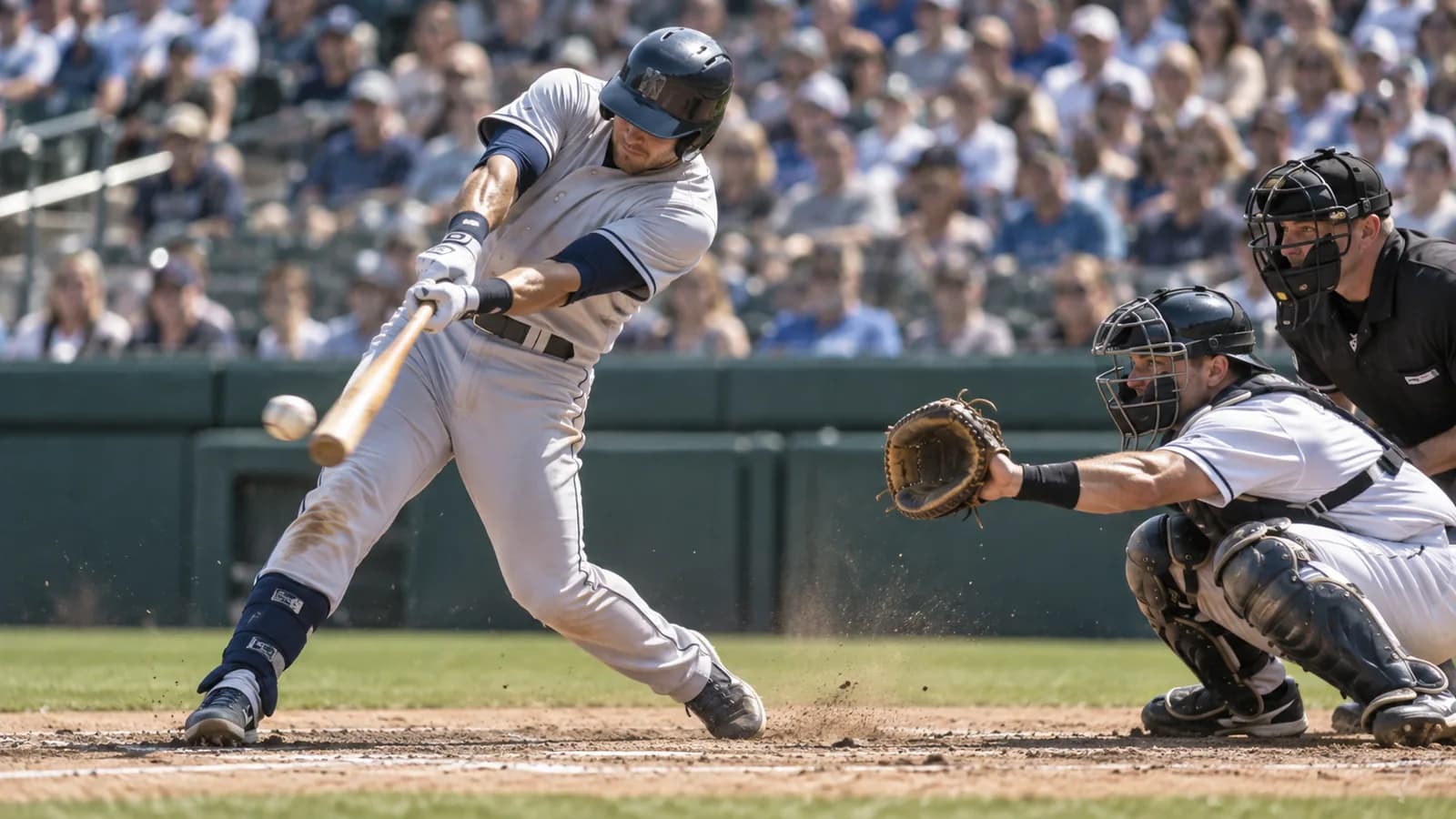
The National League is the older of Major League Baseball's two leagues, founded in 1876 and home to fifteen franchises spread across three geographic divisions. It covers the East, Central, and West, stretching from Atlanta and Miami through the heartland cities of Chicago, St. Louis, and Cincinnati out to Los Angeles, San Diego, and San Francisco. For fans planning a season of ballpark visits, the NL offers a deep mix of historic venues, modern downtown parks, and storied franchises that have shaped American baseball for nearly 150 years. Every NL team plays a 162-game regular season schedule running from late March or early April through the end of September, with division rivals meeting roughly a dozen times across the summer. Those divisional series anchor the calendar, draw the loudest crowds, and tend to move quickest on team hubs on this site. The league also features interleague matchups against American League opponents, which broaden the schedule and bring fresh visiting clubs into NL ballparks each year. Whether the appeal is a Friday night fireworks game in a smaller market, a marquee weekend showdown between contenders, or a quiet weekday matinee, the NL schedule rewards advance planning. Because demand swings sharply between rebuilding teams, surprise contenders, and perennial powerhouses, ticket markets across the league look very different from city to city and series to series. This hub gives an evergreen overview of the National League structure, its divisions, the playoff path, the rivalries that drive demand, and the things ticket buyers should keep in mind when mapping out a trip to an NL ballpark.
History & structure
The National League traces its roots to 1876, when it replaced the earlier National Association as the first stable, fully professional baseball league in the United States. For more than a quarter century it operated as the sole major league before the American League established itself in 1901, and the two circuits eventually agreed to coexist under a shared governing structure. That long history is part of why several NL franchises, including clubs in Chicago, Cincinnati, Atlanta, and Pittsburgh, count among the oldest continuously operating teams in North American professional sports. Structurally, the National League today is one half of Major League Baseball, sitting alongside the American League under the MLB umbrella. It is organized into three divisions of five teams each: NL East, NL Central, and NL West. Teams play the majority of their games within the league but face American League opponents in interleague series spread across the schedule, with one interleague matchup typically running on any given day during the season. The league has evolved significantly in recent decades. Expansion added franchises in Colorado, Arizona, Miami, and Washington, broadening the NL footprint into new markets and time zones. Realignment shifted some traditional rivals, and the universal designated hitter, adopted across MLB in recent years, ended the long-standing rule that required NL pitchers to bat. The result is a league that still leans on its deep history while playing a modern, balanced version of the game. For ticket buyers, the practical takeaway is that the NL combines old-line franchises with newer expansion clubs, blending traditional ballparks like Wrigley Field with contemporary venues across the Sun Belt. That mix shapes everything from pricing patterns to travel planning, and it gives the league a distinct identity even when the on-field rules now closely mirror the American League.
Divisions
The National League is split into three divisions, each with its own personality, geography, and ticket-market behavior. The NL East runs along the Atlantic seaboard and into the Southeast, with the Atlanta Braves, Philadelphia Phillies, New York Mets, Washington Nationals, and Miami Marlins. It tends to be a high-stakes division: large markets, intense local media coverage, and several recent contenders mean that head-to-head series in Atlanta, Philadelphia, and New York frequently sit among the league's most in-demand tickets. Phillies-Mets and Braves-Phillies weekend sets, in particular, can move quickly on team hubs on this site. The NL Central is a heartland division grouping the Chicago Cubs, St. Louis Cardinals, Milwaukee Brewers, Cincinnati Reds, and Pittsburgh Pirates. It is anchored by some of baseball's oldest franchises and most loyal fan bases, with Cardinals-Cubs standing out as one of the sport's signature rivalries. Geography keeps travel manageable here, and many fans build summer road trips around stops in Chicago, St. Louis, Milwaukee, Cincinnati, and Pittsburgh. Ticket pricing tends to swing on competitive cycles, with marquee series and weekend dates drawing the strongest demand. The NL West covers the Western United States and includes the Los Angeles Dodgers, San Diego Padres, San Francisco Giants, Arizona Diamondbacks, and Colorado Rockies. It is one of the most competitive divisions in baseball, with the Dodgers, Padres, and Giants regularly fielding star-heavy rosters that drive national interest. Dodgers-Giants ranks among the oldest rivalries in American professional sports, and Dodgers-Padres has grown into a high-profile modern matchup. Warm-weather venues and tourist-friendly markets in Los Angeles, San Diego, and Phoenix also make NL West games popular with visiting fans planning trips. Because each division features a clear mix of high-payroll contenders and rebuilding clubs, demand can vary widely night to night. Following standings, pitching matchups, and promotional dates on team hubs on this site is one of the easier ways to plan around it.
Format & playoff qualification
The National League follows the standard MLB regular-season format: 162 games per team, played from late March or early April through the end of September. Each team plays a heavier dose of games against divisional opponents, a balanced slate against the rest of the league, and a smaller block of interleague series against American League clubs. Because the regular season is so long, standings shift constantly, and even a midseason series in a smaller market can take on outsized importance if both teams are within striking distance of a playoff spot. Standings are based primarily on win-loss record, expressed as winning percentage. Division leaders are determined by the best record in each of the three divisions, and the next three best records across the league qualify as Wild Cards. Tiebreakers in MLB are now generally settled by head-to-head record and other on-field criteria rather than one-game playoffs, which means the regular-season schedule itself usually decides seeding. That puts extra weight on late-September series, particularly when contenders meet head-to-head. Playoff qualification in the National League rewards three division winners and three Wild Card teams, for a total of six clubs advancing to the postseason. The top division winner earns a bye through the opening round, while the other two division winners host best-of-three Wild Card Series against the Wild Card teams. Seeding is set by regular-season record, with division winners holding the top three seeds regardless of total wins. For fans, the practical effect is that even teams locked into a playoff spot have something to play for in the final weeks, since seeding determines home-field advantage. Late-season matchups between contenders, plus any winner-take-all scenarios in the final series, tend to be the highest-demand regular-season tickets on team hubs on this site.
Champions and dynasties
Recent National League history has been defined by a handful of dominant franchises and several breakthrough champions. The Los Angeles Dodgers have set the tone for the modern era, building one of the most consistent contenders in any sport with a long run of division titles and multiple deep October pushes. Their willingness to reload through both player development and high-profile additions has kept them in the World Series conversation almost every year. Alongside them, the Atlanta Braves have produced one of the most sustained competitive windows in the East, defined by a young core of position players and a long streak of division crowns. Beyond those modern powers, the league has seen memorable championship runs from clubs that broke long droughts. The Chicago Cubs delivered one of the most celebrated title runs in baseball history in the 2010s, ending a decades-long wait that had become part of the franchise's identity. The Washington Nationals captured their first World Series later that decade behind a deep starting rotation and a memorable postseason performance. The Philadelphia Phillies, San Francisco Giants, and St. Louis Cardinals also rank among the most successful NL franchises of the modern era, each with multiple pennants or titles to their name across recent decades. Older eras gave the league dynasties of their own. The Cincinnati Reds' Big Red Machine of the 1970s, the dominant Cardinals teams of multiple generations, and the Giants' long history dating back to their New York roots all contribute to the league's deep championship lineage. Expansion clubs have added their own chapters: the Arizona Diamondbacks won a World Series within a few years of joining the league, and the Miami Marlins have captured multiple titles since their 1990s debut. For ticket buyers, the practical takeaway is simple: NL ballparks regularly host teams with a real chance to play deep into October, and championship pedigree often drives both season-long interest and postseason demand on team hubs on this site.
Biggest rivalries
The National League is built around a set of rivalries that shape demand for tickets every season. The oldest and most prominent is Dodgers-Giants, a rivalry that dates back to the early days of professional baseball in New York and traveled west with both franchises in the late 1950s. Today, with both teams typically competing for the NL West, head-to-head series in Los Angeles and San Francisco rank among the most sought-after regular-season tickets in baseball. Cardinals-Cubs is the signature rivalry of the NL Central, rooted in geography, history, and decades of competitive overlap between two of the league's most traditional franchises. Weekend series at Wrigley Field and Busch Stadium consistently draw strong national interest, and the rivalry tends to elevate even otherwise quiet stretches of the schedule. In the East, Mets-Phillies has grown into one of the league's most intense modern matchups, particularly during seasons when both clubs are positioned as contenders. Braves-Phillies has also developed sharper edges in recent years through repeated postseason meetings. Other rivalries add their own flavor across the league. Dodgers-Padres has become a marquee West Coast matchup as San Diego has invested in star power and turned its ballpark into one of the louder venues in the league. Reds-Pirates and Brewers-Cardinals carry strong regional identities in the Central, while Mets-Braves and Nationals-Phillies anchor the East beyond the headline pairings. For ticket buyers, the practical effect is that rivalry series typically push prices higher and inventory lower than non-rivalry dates, especially on weekends and in nationally televised windows. Checking team hubs on this site for rivalry weekends and prime matchups is one of the more reliable ways to plan around the season's highest-demand games.
Cities & venues
The National League covers a wide geographic footprint, with franchises in major metropolitan areas across the country. In the East, the league is anchored by New York's Mets at Citi Field in Queens, the Philadelphia Phillies at Citizens Bank Park, the Atlanta Braves at Truist Park in suburban Cobb County, the Washington Nationals at Nationals Park along the Anacostia waterfront, and the Miami Marlins at LoanDepot Park in Little Havana. These markets combine large local fan bases with strong tourism, which keeps demand steady across the calendar. The NL Central centers on traditional baseball cities. Chicago's Wrigley Field, home of the Cubs, is one of the most historic venues in American sports and a destination ballpark for traveling fans. St. Louis hosts the Cardinals at Busch Stadium downtown, Milwaukee plays at American Family Field with its distinctive retractable roof, Cincinnati's Great American Ball Park sits along the Ohio River, and Pittsburgh's PNC Park is widely regarded as one of the most scenic ballparks in baseball thanks to its view of the city skyline. In the West, the league reaches into some of the most popular travel markets in the country. The Los Angeles Dodgers play at Dodger Stadium in Chavez Ravine, one of the largest and most historic venues in the sport. The San Francisco Giants host games at Oracle Park along the Bay, the San Diego Padres play at downtown Petco Park, the Arizona Diamondbacks call Chase Field in Phoenix home, and the Colorado Rockies play at Coors Field in downtown Denver. For ticket buyers planning a trip, this combination of historic venues and modern downtown ballparks makes the NL especially appealing. Team hubs on this site organize matchups by city and venue, which helps fans line up game schedules with travel plans.
Tickets — how the conference shapes pricing
For ticket buyers, the structure of the National League shapes how demand moves through the season. Because each team plays its divisional opponents far more often than the rest of the league, intra-divisional series make up the bulk of the schedule and produce most of the season's highest-demand dates. In the NL West, that means Dodgers-Giants and Dodgers-Padres regularly top the list. In the Central, Cardinals-Cubs and Brewers-Cardinals stand out. In the East, Mets-Phillies, Braves-Phillies, and Braves-Mets tend to drive the heaviest interest. Beyond rivalries, several other patterns matter when planning. Weekend series, especially Friday night and Saturday games, almost always price higher than weekday matchups against the same opponent. Opening series, summer holiday weekends, and games featuring marquee starting pitchers or visiting stars also tend to draw stronger demand. Conversely, weekday afternoon games early in the season, midweek series against rebuilding clubs, and weather-affected dates in northern markets often offer the most flexibility for fans who are price-sensitive. Interleague series add another layer. When a popular American League team visits an NL city, demand for that limited slate of games can spike sharply, particularly in markets that only host that opponent every few years. Late-season games involving teams in playoff races, as well as any potential clincher or elimination scenarios, typically rank among the most in-demand regular-season tickets of all. The practical recommendation is to plan early for rivalry series, weekends, and late-season contender matchups, while staying flexible on weekday and non-rivalry dates. Team hubs on this site list upcoming home and road games for every NL club, making it easier to identify which dates are likely to move quickly and which offer more room to plan around.
Conference playoffs / championship round
The National League playoffs follow the broader MLB postseason format and unfold across multiple rounds in October. Six NL teams qualify each year: three division winners and three Wild Card teams. Seeding is based on regular-season record, with the division winners holding the top three seeds regardless of total wins, and the Wild Card teams seeded fourth through sixth. The top-seeded division winner receives a bye through the opening round, while the other two division winners host best-of-three Wild Card Series against the Wild Card clubs. Winners of those Wild Card Series advance to the National League Division Series, a best-of-five round where the top seed enters play. The two NLDS winners then meet in the National League Championship Series, a best-of-seven matchup that decides the NL pennant. The NLCS winner advances to the World Series against the American League champion, with home-field advantage in the World Series determined by regular-season record between the two pennant winners. For ticket buyers, the postseason creates a sharply different demand environment than the regular season. Home dates are confirmed only as series advance, which compresses the planning window and concentrates demand into a short stretch. Wild Card Series and NLDS home games typically clear inventory quickly, and NLCS games, particularly potential clinchers, rank among the highest-demand tickets of the entire baseball calendar. Markets with deep recent postseason histories tend to see especially strong local demand, while first-time or long-awaited postseason appearances often produce extraordinary surges. Team hubs on this site reflect available postseason matchups as series advance, making it easier to track which NL ballparks have confirmed home dates and which series are still pending.
Storylines to watch
Several long-running storylines shape any National League season worth following. The first is the ongoing arms race in the NL West, where the Dodgers, Padres, and Giants continue to invest heavily in star talent and create one of the most competitive divisions in baseball. The second is the trajectory of the NL East, where the Braves, Phillies, and Mets routinely position themselves as contenders and produce some of the league's most-watched regular-season series. In the Central, the competitive cycle of the Cardinals, Cubs, Brewers, Reds, and Pirates tends to reshuffle each year, with surprise contenders frequently emerging from the middle of the standings. Beyond divisional races, fans should watch how rebuilding clubs in Miami, Washington, Colorado, and Pittsburgh integrate young talent, since breakout performers often drive late-season ticket demand. National storylines, including milestone chases, returning stars, and postseason rematches, add another layer. Following these storylines on team hubs on this site helps connect on-field developments to the specific games most worth planning around.
Help center
National League tickets — frequently asked questions
Contact our team for help using the site. For an existing order, the seller shown at checkout handles payment, delivery, and order support.
Contact supportWhy buy here
Ticket partner offers
Listings identify the partner or seller that provides the offer and handles the purchase.
Seller protection terms
Buyer protection and refund terms depend on the selected seller; review them before checkout.
Venue maps where available
Interactive seating geometry is shown when matching venue data is available for the event.
Delivery details by offer
The selected seller provides the delivery method and timing for each listing.
Partner-fed prices
Displayed prices come from ticket partner inventory and refresh on each feed's update schedule.
Help with listings
Contact AllSportsTicket about a site listing; the marketplace seller handles orders, delivery and refunds.