
Grey Cup Tickets
Format, history, venues, tickets and travel — the complete fan playbook
About the Grey Cup
The Grey Cup is the championship game of the Canadian Football League and one of the oldest continuously contested trophies in North American professional sport. Played each year in late November, it pits the East Division champion against the West Division champion in a single-game final that decides the CFL title. The trophy itself, donated in 1909 by Governor General Earl Grey, predates the league it now anoints and has become a national fixture stitched into the rhythm of a Canadian autumn. For followers of the three-down game, it is the moment the entire season points toward, from training camp through the Eastern and Western Finals.
Fans care because the Grey Cup is more than a football game. It is a week-long celebration that travels to a different host city each year, transforming downtown cores into festival grounds packed with team pep rallies, alumni reunions, regional food, live music, and the cross-country pilgrimage of supporters in jerseys spanning every franchise. The matchup itself routinely draws one of the largest Canadian sports television audiences of the year, regularly counted among the most-watched broadcasts on any network.
The scale is uniquely Canadian. The CFL is a nine-team league, and the Grey Cup amplifies the entire football culture of the country into one stadium for roughly three hours of action and several days of surrounding programming. Crowds can swell to capacity in stadiums ranging from open-air prairie cathedrals to retractable-roof venues. Whether the host city is on the West Coast, in the Prairies, or in Central Canada, the Grey Cup brings the same combination of high-stakes football and inclusive festival atmosphere, which is why long-time fans often plan their travel a full year in advance through team hubs on this site.
Format
The Grey Cup is a single-game final with no series, no rematch, and no second chance. The East Division champion and West Division champion meet on a neutral field selected by the league well in advance, and the winner is crowned CFL champion that night. There is no aggregate scoring, no two-legged tie, and no provision for a replay if conditions are difficult. Whatever happens on the field that evening decides the season.
The path to the game runs through the CFL playoffs, which culminate in the Eastern Final and Western Final the week prior. Each division final is hosted by the higher-seeded surviving team, and the winners advance directly to the Grey Cup. A cross-over rule allows a fourth-place team from one division to enter the other division's playoff bracket if its record outperforms the third-place team in the opposite division, which occasionally reshapes who reaches the final.
Game length follows standard CFL rules: four 15-minute quarters with a halftime intermission that typically features a marquee musical performance. Canadian football's distinctive elements remain in place on championship night, including the 110-yard field, 20-yard end zones, three downs to make a first down, a 12-player offense, and the one-point single, or rouge, that can shift momentum on kicking plays. Overtime, if needed, follows the CFL's alternating-possession format from the opponent's 35-yard line rather than a sudden-death clock.
The broader Grey Cup Festival surrounds the game with several days of programming. The week typically includes team rallies, alumni dinners, the league's annual awards gala, fan zones, parades, and cultural events tied to the host city. By kickoff Sunday, the game itself functions as the centerpiece of a full week of football-driven hospitality across the host market.
History
First contested in 1909, the Grey Cup is among the oldest championship trophies in professional sport anywhere in North America. It began as an amateur prize, was contested by university and club teams for decades, and eventually became the exclusive property of the professional Canadian Football League. The result is a trophy whose engraved silver bands carry names from multiple eras of Canadian football, blending early twentieth-century rugby-football roots with the modern three-down passing game.
The history of champions is led by storied franchises whose dynasties have defined eras. The Edmonton club assembled one of the longest sustained runs of success in Canadian sports history, a stretch that produced multiple consecutive titles. Toronto's franchise, the oldest in the league, has lifted the trophy more times than any other club. The Winnipeg, Hamilton, Saskatchewan, Calgary, Montreal, and BC franchises have all enjoyed championship windows of their own, frequently trading the trophy back and forth across divisional lines. Ottawa, with multiple incarnations over the decades, has also been part of that championship lineage.
Individual moments echo through the league's collective memory. The 1962 Fog Bowl had to be suspended overnight when visibility on the lakeshore became unplayable. The 1950 Mud Bowl was contested in conditions so wet that players struggled to stay upright. The 1989 final is widely recalled as one of the most dramatic late-game finishes in league history. Multiple finals have been decided by last-minute drives, missed field goals, or improbable special-teams plays, and the league's Most Outstanding Player and Most Valuable Player awards on championship night have launched several Hall of Fame careers.
Record books at the Grey Cup tend to reward dual-threat quarterbacks, route-running receivers, and return specialists who thrive on the wider Canadian field. Coaches who have hoisted the trophy multiple times are revered figures in CFL history, and their championship rosters are frequently honored at reunion events during subsequent Grey Cup weeks.
How Grey Cup tickets work
Grey Cup tickets are released in waves over the course of the year leading up to the game. The host club typically opens the earliest access to its own season-ticket holders, often bundling Grey Cup seats with the following year's season package or offering a priority window before any public on-sale. League-wide season-ticket holders from other clubs frequently receive a secondary priority window, which is one reason long-time supporters across the country renew their team memberships year after year.
General public on-sale typically follows in stages. Single-game seats, hospitality packages, and group blocks are released across the calendar, with availability tightening as the matchup becomes clearer in October and November. Once the Eastern and Western Finals have been played and the participants are confirmed, demand spikes sharply, particularly for sections near the participating teams' fan blocks. Travel-package buyers from the qualifying markets often take significant inventory in the final week.
Access is broadly tiered by location and amenity. Sideline seating near midfield is the most coveted, followed by lower-bowl seats between the goal lines, then upper-bowl sections with full views of the field. End-zone seating is generally the most affordable entry point, and many fans favor those sections for the unobstructed view of red-zone play and the atmosphere of the most committed supporter groups. Premium options include club seats, suites, and hospitality packages bundling food, beverage, and pregame access.
For fans looking to attend, the most practical route is to follow the host club's announcements throughout the season and to monitor team hubs on this site for the participating franchises after the division finals. Because the Grey Cup rotates to a new city each year, planning early is the single biggest advantage. Buyers who wait until matchup week often face limited inventory, scattered seat locations, and significant travel-cost pressure on top of ticket prices.
Venues
Unlike playoff games earlier in the CFL postseason, the Grey Cup is played at a neutral venue selected by the league years in advance. The host city is awarded through a bid process in which member clubs propose a hosting plan covering the stadium, the surrounding festival footprint, hotel inventory, transportation, and civic partnerships. Awards are typically made several years ahead so the host market can build out programming, sponsorships, and infrastructure.
The rotation moves the game around the country. Recent decades have seen the Grey Cup hosted in Vancouver, Edmonton, Calgary, Regina, Winnipeg, Hamilton, Toronto, Ottawa, and Montreal, among others. Western Canadian markets often draw heavily on prairie football culture, while Eastern hosts lean into urban festival programming and the league's deep Ontario and Quebec roots. The variety is part of the appeal, as repeat travelers experience a meaningfully different game-week each year.
Stadium type varies by host. Some venues are open-air bowls built specifically for Canadian football, with wide sidelines and capacious end zones designed for the 110-yard field. Others are multipurpose stadiums with retractable or fixed roofs that shield fans from late-November weather, which can swing from mild to severe depending on geography. Capacity for the final typically ranges from the mid-20,000s to well over 50,000, with temporary seating sometimes added for the championship.
The host stadium also anchors the broader Grey Cup Festival footprint. Fan zones, team rooms, alumni events, and concert stages often cluster within walking distance, supported by transit links from downtown hotels. Fans planning a trip should pay close attention to the host venue's seating chart, weather profile, and access points, because each Canadian stadium has its own quirks for sightlines, wind, sun angles, and concourse flow that influence which sections offer the best matchday experience.
Travel planning
Because the Grey Cup rotates host cities, travel planning is one of the defining experiences of attending. Most committed fans begin scoping flights and hotels as soon as the host city for the upcoming game is confirmed, often a full year in advance. Booking early matters because the host downtown core typically sees a surge in demand across the championship week, with hotel inventory near the stadium and festival footprint tightening quickly once team rallies and league events are announced.
Flights into the host market should ideally be locked in well before the division finals. Once the two participating teams are confirmed in mid-November, departure cities for those fan bases see immediate fare increases. Travelers from Edmonton, Calgary, Vancouver, Winnipeg, Regina, Hamilton, Toronto, Ottawa, and Montreal can expect spikes in routes connecting their home markets to the host city. Direct flights tend to sell out fastest, with one-stop itineraries filling in as backup.
Hotel choices typically break into three tiers. Downtown properties closest to the festival footprint command the highest demand because they put fans within walking distance of fan zones, team rallies, and many official events. Mid-tier hotels a short transit ride away offer better availability and more flexibility on stay length. Outlying properties near the airport or in adjacent neighborhoods often retain availability the longest and can be a smart option for travelers with rental cars.
Matchday logistics depend on the host venue. Many stadiums are well served by transit, while others rely on shuttle programs or designated rideshare zones. Weather planning is essential. Late-November conditions can range from mild rain on the West Coast to deep cold on the Prairies, so layered clothing, waterproof outerwear, and indoor festival options should all be part of the itinerary alongside the game itself.
Atmosphere
Grey Cup week feels less like a single sporting event and more like a traveling national festival. The host city's downtown is taken over by team-branded rallies, alumni receptions, fan zones, parades, and concerts that draw supporters from every CFL market. Jerseys from all nine franchises appear in the same hotel lobbies and on the same transit cars, which is one of the only times each year that fans of rival clubs gather together at this scale.
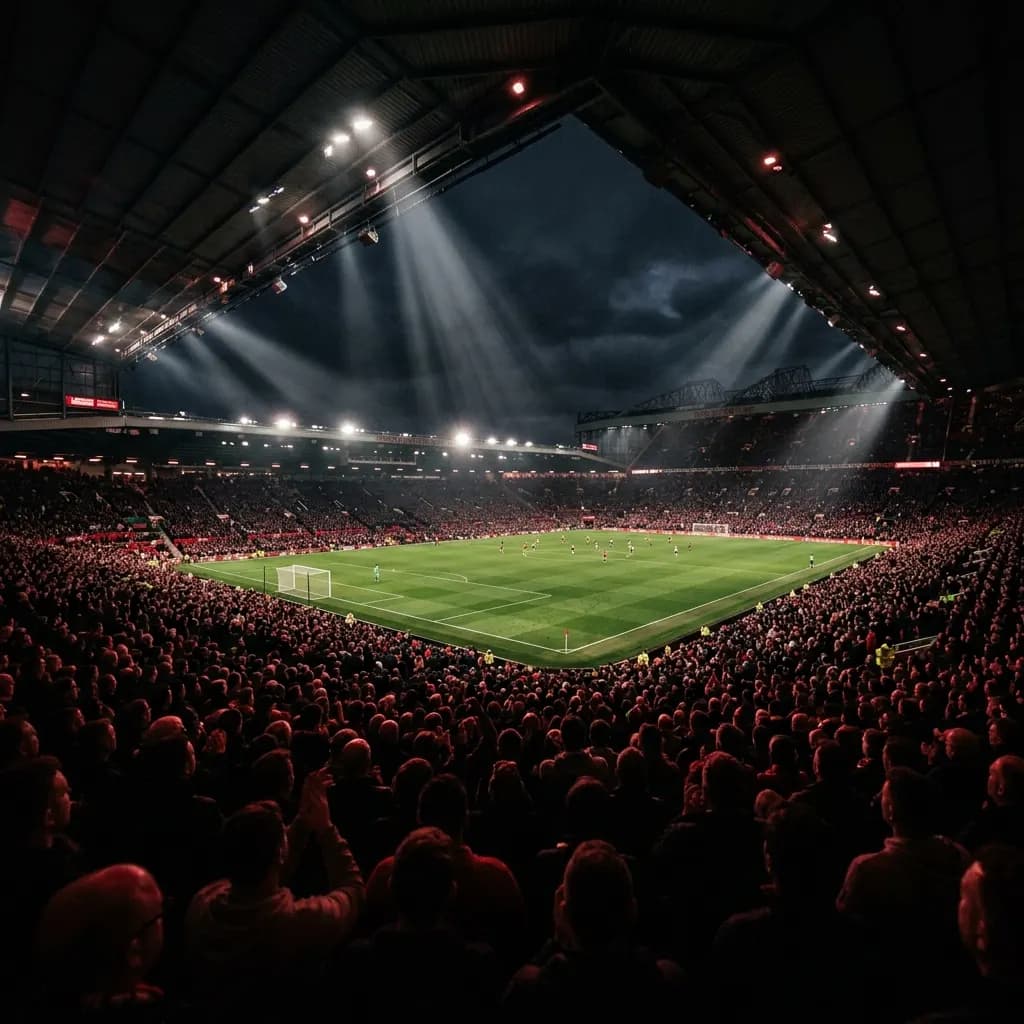
The matchday environment inside the stadium reflects that mix. Both participating fan bases bring significant traveling contingents, with end-zone and lower-bowl sections often coordinated around team colors. Pregame programming routinely includes military flyovers, ceremonial coin tosses involving league legends, and Canadian musical performances, building toward the opening kickoff in front of a national television audience.
Fan rituals carry through the week. Prairie supporters frequently arrive with watermelon helmets and well-known tailgating traditions. Other fan bases bring their own chants, drum sections, and supporter-group banners. The Grey Cup Festival's hospitality rooms, often hosted by individual clubs, are a long-standing tradition where alumni, season-ticket holders, and visiting fans mingle late into the night across multiple venues.
The broader feel is celebratory rather than tense. While the game itself carries enormous competitive weight for the two participating teams, neutral fans treat the trip as a once-a-year cross-country gathering. That dual identity, championship and reunion at once, is what separates Grey Cup week from a typical playoff atmosphere and why many supporters return year after year regardless of which clubs reach the final.
Resale market
Resale activity around the Grey Cup ramps up steadily through the fall but does not peak until the matchup is set. While the host club is selling through its own priority and public phases, secondary inventory remains relatively measured, since most early buyers are travel-package holders and committed season-ticket members who intend to attend regardless of who qualifies. Pricing in that stretch tends to reflect anticipated demand rather than confirmed demand.
The inflection point is the weekend of the division finals. Once the Eastern Final and Western Final identify the two participating teams, resale listings shift quickly. If a large-market or fan-traveling club qualifies, listings can tighten rapidly and pricing strengthens across most sections, particularly sideline and lower-bowl seats. If a smaller-market team reaches the final, more inventory may stay available into game week, especially in upper-bowl and corner sections.
Location premiums are pronounced. Midfield sideline seats and club-level locations tend to hold value most reliably. End-zone seats behind the participating teams' fan blocks often draw strong demand from traveling supporters even when overall pricing is softer. Suites and group blocks rarely surface on the public resale market and are typically transferred privately or through hospitality channels.
For fans buying on resale, the practical strategy is to monitor team hubs on this site once the division finals are complete, set alerts for preferred sections, and avoid waiting until the final 48 hours unless flexibility on location is acceptable. Weather forecasts in the host city can also influence late-cycle pricing, with severe conditions occasionally softening listings as the game approaches. Across all sections, buyers should account for the full travel package, not just ticket price, when comparing seat options.
Broadcast & streaming
The Grey Cup is broadcast nationally in Canada and is consistently among the most-watched television events of the year in the country. National coverage runs across television and streaming platforms, with extensive pregame programming starting hours before kickoff and continuing through the trophy presentation and postgame analysis. Coverage typically includes feature segments on the participating clubs, alumni interviews, and lookbacks at notable Grey Cup moments.
International viewers can typically access the broadcast through league-affiliated streaming services and select sports-broadcast partners abroad. Availability varies by region, and fans outside Canada should check league announcements in the weeks before the game for the streaming or rights-holder lineup in their country.
Radio coverage is also extensive, with national play-by-play feeds and team-specific broadcasts for the two participating clubs carried by their flagship stations. For fans attending in person, in-venue audio and video boards supplement the action, while festival fan zones around the host city often screen the broadcast for overflow crowds. Whichever platform fans choose, the Grey Cup is positioned as the league's flagship television event and is programmed accordingly.