
MLB All-Star Game Tickets
Format, history, venues, tickets and travel — the complete fan playbook
About the MLB All-Star Game
The MLB All-Star Game is Major League Baseball's annual midsummer showcase, pitting the best players from the American League against their counterparts in the National League in a single exhibition contest held in mid-July. Since its debut in 1933, the game has grown from a one-off promotional idea into a centerpiece of the baseball calendar, anchoring a multi-day festival that pauses the regular season and pulls the sport's biggest names onto a single field. For fans, it is the rare night when a lineup card can include a dozen future Hall of Famers and a rookie phenom batting back-to-back, a kind of fantasy roster brought to life under the lights. The scale of the event reaches well beyond the nine innings on the diamond. All-Star Week now includes the Home Run Derby on the Monday night before the game, the Futures Game spotlighting top prospects, FanFest at the host city's convention center, celebrity softball, and red carpet arrivals that turn ballpark entrances into something closer to an awards show. Television audiences span more than 100 countries, and the host city becomes a temporary capital of the sport for the better part of a week. Fans care because the matchup remains one of the few times Aaron Judge can face Paul Skenes, or a generational shortstop can turn a double play behind a pitcher he otherwise sees only on highlights. Even with the result no longer determining World Series home-field advantage, the game retains its prestige as the league's premier exhibition, and tickets across the week are some of the most coveted of any baseball event of the year, comparable in demand to a deep postseason run for the host club.
Format
The All-Star Game itself is a nine-inning exhibition contest between rosters selected from each league, played in mid-July at the season's official halfway point. Each roster carries 32 players, blending starting position players elected by fan vote, pitchers and reserves chosen through a combination of player ballot and league office selection, and a final spot decided by a separate fan vote in the days leading up to the game. Every active club must be represented by at least one player, a rule that keeps the event a true league-wide showcase rather than a parade of only the largest market stars. The week begins with media day on Monday, followed that evening by the Home Run Derby, a single-elimination bracket of eight sluggers competing in timed rounds with bonus time for long drives and untimed swings tied to home run totals. Tuesday is reserved for the All-Star Game, typically a 7:30 p.m. or 8 p.m. local first pitch. In recent years, MLB has introduced an extra-innings tiebreaker that uses a Home Run Derby-style swing-off rather than continuing traditional play, ensuring the exhibition does not stretch deep into the night. Managers are the previous season's pennant winners from each league, and pitching usage is carefully managed so that no arm is overworked midseason, with most starters limited to an inning or two. Between innings, ceremonial elements such as the Stand Up to Cancer tribute, military honors, and Hall of Fame appearances are woven into the broadcast. Surrounding the main event, the Futures Game on Saturday and the celebrity softball game on Saturday night fill out the schedule, while FanFest runs throughout the week as a public hub for autographs, interactive exhibits, and memorabilia.
History
The MLB All-Star Game traces its roots to the 1933 Century of Progress exposition in Chicago, where sportswriter Arch Ward proposed a one-off contest between league all-stars as part of the city's World's Fair celebrations. Babe Ruth homered in that inaugural game at Comiskey Park, and the event was so successful that the leagues agreed to make it an annual tradition the following summer. From there the game produced some of baseball's most enduring images: Carl Hubbell striking out Ruth, Lou Gehrig, Jimmie Foxx, Al Simmons, and Joe Cronin in succession in 1934; Ted Williams launching a walk-off home run off the right field roof in Detroit in 1941; and Pete Rose's bruising collision with catcher Ray Fosse at Riverfront Stadium in 1970. Cal Ripken Jr.'s farewell tour in 2001 produced one of the most beloved modern moments when Alex Rodriguez moved to third base to let the longtime shortstop play his familiar position one last time. Ripken homered that night and was named Most Valuable Player. Mariano Rivera became the first player to win MVP in his final career All-Star appearance in 2013, taking the mound at Citi Field to a long ovation from both dugouts. The Home Run Derby has built its own folklore in parallel. Josh Hamilton's 28-homer first round at the old Yankee Stadium in 2008, Bryce Harper's hometown victory in Washington in 2018, and Vladimir Guerrero Jr.'s 91-homer performance in Cleveland in 2019 are among the rounds fans return to most often. The record book is filled with players who collected multiple MVP awards, including Willie Mays, Steve Garvey, Gary Carter, and Mike Trout, the only player to win the All-Star Game MVP in consecutive seasons. Across more than nine decades, the event has served as both a generational handoff and a yearly reminder of how deep the sport's history runs.
How MLB All-Star Game tickets work
Tickets for the MLB All-Star Game are released through a layered sales process that begins almost a year in advance, and demand consistently outstrips supply for both the game and the Home Run Derby. The host club's full-season ticket holders typically receive the first opportunity to purchase strips that bundle the All-Star Game, Home Run Derby, Futures Game, and celebrity softball game together, an allotment that absorbs a significant share of the available inventory before any public sale opens. Sponsors, media partners, players, club staff, and league office allocations take another portion, leaving a relatively small pool for the general public. The remaining inventory is usually released through a lottery or registration system on the league's official channels in the spring of the All-Star year, with successful entrants given a window to purchase a limited number of seats. Single-event tickets for the Home Run Derby on Monday night and the All-Star Game on Tuesday night are the most sought-after, while FanFest passes are sold separately and are far easier to secure. For fans without season ticket access, the resale market becomes the primary path, and prices rise sharply as the event approaches. Premium seating, including dugout boxes, field-level clubs, and suite shares, sells through the host team's premium services group and through league hospitality packages that bundle hotel nights, pregame events, and on-field access. Travel partners and corporate hospitality providers also offer all-inclusive options that can be the most reliable way to secure seats once the public sale has closed. For ticket links to individual MLB clubs throughout the regular season, fans can use the team hubs on this site, which connect to verified marketplaces for every franchise and update inventory as games approach.
Venues
The All-Star Game rotates among MLB ballparks, with the league selecting host cities several years in advance based on a combination of facility readiness, market interest, recent ballpark openings or renovations, and a loose alternation between the American and National Leagues. In practice, the rotation tends to reward cities that have opened new stadiums, completed major upgrades, or have not hosted in many years, which keeps the event moving across the country and exposes a broad range of markets to the surrounding economic boost. Venues must demonstrate they can accommodate not only the game itself but also FanFest, media operations, hospitality footprints, and the security perimeter required for a high-profile sporting event. That typically means a host city needs a large convention center within reasonable distance of the ballpark, sufficient downtown hotel capacity, and the transit infrastructure to move tens of thousands of attendees over a compressed window. Recent host venues have included parks across both coasts and the heartland, with classic stadiums and modern retractable-roof facilities both appearing in the rotation. Outdoor ballparks add weather considerations in mid-July, while domed and retractable-roof venues offer climate-controlled certainty for the broadcast and for fans walking between events. The host club takes on substantial operational responsibility, working with the league on field configuration, signage, special uniforms, ceremonial first pitches, and the integration of local cultural elements into the broadcast. For fans planning ahead, future host cities are typically announced two to three years in advance, allowing travel and lodging to be researched well before the public ticket lottery opens. Information on individual venues, seating maps, and accessibility for every MLB ballpark can be found through the team hubs on this site.
Travel planning
Planning a trip to the MLB All-Star Game starts much earlier than a typical road trip to a regular season game, because the host city absorbs an enormous influx of visitors across four to five days in mid-July. Hotel inventory in the downtown core near the ballpark and the convention center tends to sell out first, often within days of the host city announcement, so booking a refundable room as soon as the host is named is the most reliable way to lock in proximity and pricing. Fans who wait until the spring of the All-Star year typically find themselves staying farther out, relying on rideshare, transit, or extended walks to reach the events. Flights into the host market follow a similar pattern, with fares climbing sharply from late spring onward as both leisure travelers and corporate attendees commit to plans. Building flexibility into arrival and departure days, such as flying in on Sunday and out on Wednesday morning, often produces meaningful savings compared to peak Monday-and-Tuesday-only itineraries. Most fans plan their schedule around three core touchpoints: FanFest at the convention center, the Home Run Derby on Monday night, and the All-Star Game on Tuesday night. Saturday's Futures Game and celebrity softball game offer a softer entry into the week and are easier to secure tickets for. Ground transportation around the ballpark is heavily managed during All-Star Week, with extended road closures, rideshare zones moved farther from the gates, and transit ridership spiking on game nights. Public transit, where available, is almost always the most efficient option. For fans combining the trip with other baseball travel, the team hubs on this site can be used to scout regular season games in nearby markets the weekend before or after, building out a full midsummer baseball itinerary.
Atmosphere
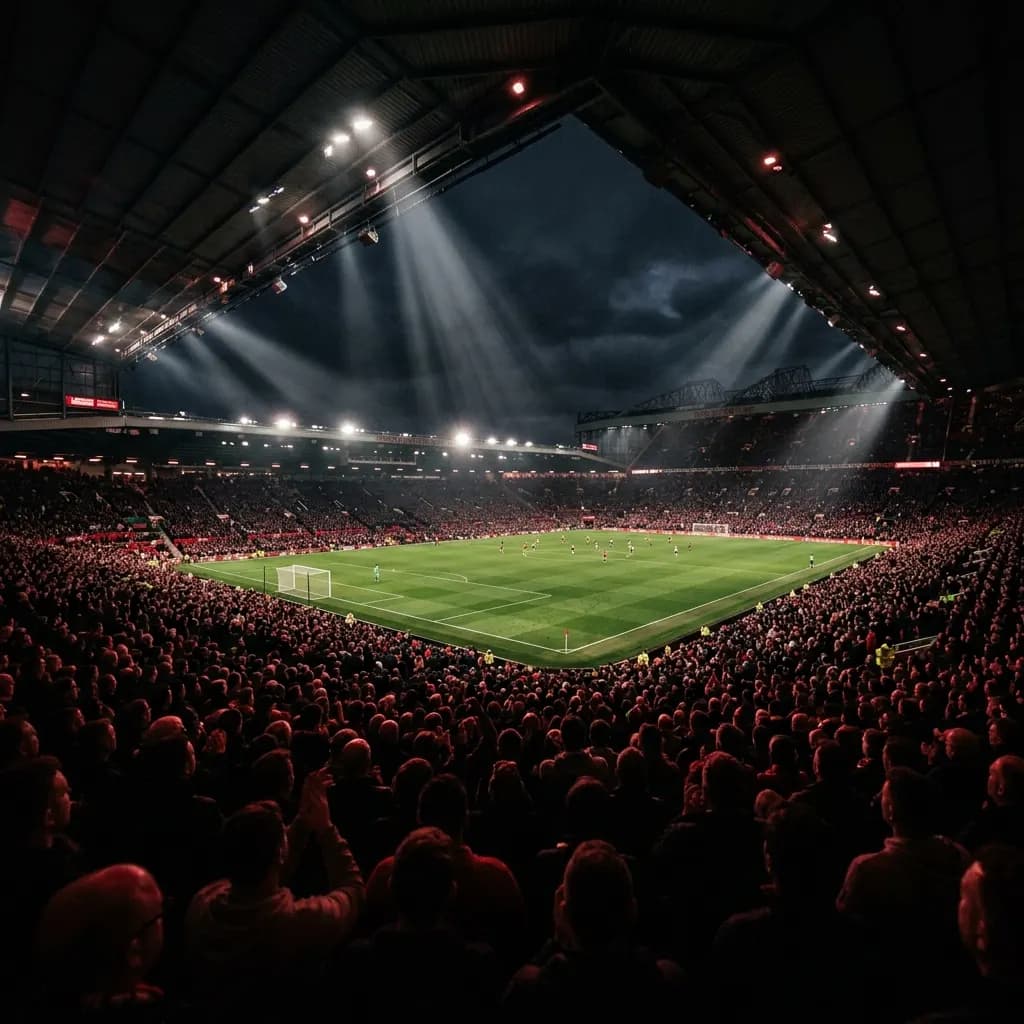
All-Star Week carries an atmosphere unlike any other stretch of the baseball calendar, somewhere between a championship celebration and a family reunion for the sport. The host city's downtown turns over to baseball almost completely, with banners across light poles, pop-up retail, sponsor activations on closed streets, and impromptu autograph scrums outside team hotels. Inside the ballpark, the Home Run Derby is the loudest night of the week, a fireworks-and-bass production where every long drive triggers stadium-shaking reactions and the bracket format keeps the crowd locked in across multiple rounds. The All-Star Game itself has a different rhythm, more ceremonial in the early innings, with extended introductions, tributes to retiring stars, and the kind of dugout camaraderie fans rarely see during the regular season. Players from rival clubs trade jerseys, swap bats, and pose for photographs between innings, and the broadcast captures conversations that usually stay private. Fans wear jerseys from every team, often layered or mismatched in a way that turns the concourse into a walking gallery of baseball history. Special edition All-Star uniforms, designed each year around a host city theme, become instant collector items. Pregame red carpet processions through downtown have become a fixture, with players arriving in vintage convertibles to crowds lining the route. The combination of league-wide representation, the absence of a result that shapes the standings, and the once-a-year setting produces a relaxed, celebratory feel that is closer to a festival than a typical ballgame.
Resale market
The resale market for the MLB All-Star Game is one of the most active of any single-night baseball event, driven by limited public allocation, broad national interest, and a host city that varies year to year. Listings begin appearing on verified marketplaces within hours of the season ticket holder presale, often well before the general public lottery opens, and prices typically firm up through the spring before climbing sharply in the final six to eight weeks. Demand is heavily weighted toward two nights: the Home Run Derby on Monday and the All-Star Game on Tuesday, with the Derby frequently commanding higher resale prices than the game itself due to its production scale and the appetite for an event tailor-made for casual fans. Seat location strongly influences pricing tiers, with field-level seats behind the dugouts and along the foul lines, as well as outfield sections in line with Derby landing zones, drawing the largest premiums. Upper-deck seats remain the most accessible entry point for fans willing to trade sightlines for the in-stadium experience. Buyers should expect prices to fluctuate as roster announcements, player participation in the Derby, and weather forecasts shift demand in the final weeks. Last-minute inventory does appear, particularly from hospitality buyers releasing unused seats, though sellers rarely discount aggressively for a sold-out event. Verified marketplaces with strong buyer protection and clear seat-location guarantees are the safest route, and avoiding non-vetted social media transactions is strongly advised given the volume of counterfeit listings that appear around marquee baseball events. For regular season ticket access to individual clubs throughout the year, the team hubs on this site provide verified inventory.
Broadcast & streaming
The MLB All-Star Game receives the broadest broadcast distribution of any single regular calendar event in baseball, with national television coverage in the United States, English- and Spanish-language audio, international rights deals reaching more than 100 countries, and full streaming availability through MLB's digital platforms and partner services. The Home Run Derby and the All-Star Game are typically scheduled in primetime windows on consecutive nights, ensuring maximum reach across time zones, while the Futures Game on Saturday airs on the league's dedicated network alongside extended pregame and postgame coverage. Radio broadcasts are carried by national network partners and feature crews drawn from across the league, with both leagues represented in the booth. The week is also one of the league's biggest production efforts of the year, with elevated camera counts, player microphone access during the game itself, dugout cameras, and aerial coverage of the host city. International coverage includes localized commentary in multiple languages and broadcast schedules tailored to overseas markets. Streaming-only subscribers can access the full slate of All-Star Week events through the league's official app, and many secondary events such as media availabilities and FanFest panels are streamed live.