
MLB Opening Day Tickets
Format, history, venues, tickets and travel — the complete fan playbook
About the MLB Opening Day
MLB Opening Day is the unofficial start of the American sporting spring, the moment baseball returns after a long offseason and 30 franchises begin a 162-game journey that will not end until October. It typically falls in the final days of March or the opening week of April, and for fans it functions as both a holiday and a reset button. Every team enters the day undefeated, every roster carries fresh hope, and every ballpark hosts a sellout regardless of where the franchise finished the previous season. The scale is genuinely national. Games are staggered across time zones so a fan can follow first pitch from a sun-soaked afternoon in Cincinnati through to a late-night opener on the West Coast. Cincinnati in particular carries a unique cultural weight, traditionally hosting the earliest opener of the day in recognition of the Reds being the first professional baseball club. Cities across the country host downtown parades, schools and offices quietly empty out by mid-afternoon, and presidents have used the day for ceremonial first pitches dating back more than a century. For families, Opening Day functions as an annual tradition. For die-hards, it is the payoff for an offseason spent tracking trades, prospects and spring training box scores. For casual fans, it is a low-pressure entry point because every team still believes it can win the World Series. The combination of ceremony, optimism and shared ritual is why Opening Day tickets sell out faster than almost any other regular-season date on the schedule, and why hotels, restaurants and bars surrounding ballparks treat the day as one of their busiest of the entire calendar year.
Format
Opening Day is not a single game but a coordinated league-wide slate, and in most years all 30 MLB clubs play on the same calendar day. The schedule is built so that openers are spread across afternoon and evening windows, allowing fans and broadcasters to follow first pitches across several hours rather than packed into a single block. Each game is a standard nine-inning regular-season contest, governed by the same rules as any other date on the schedule, with extra innings available if required. There is no special format, no shortened innings and no exhibition status. The result counts in the standings from the very first pitch. The structure of the day matters because it shapes how fans plan their travel and ticket buying. Cincinnati traditionally hosts an early afternoon opener as a nod to the Reds being the first professional franchise, and that game often functions as the symbolic start of the season. From there, openers cascade through the afternoon into prime-time night games, with West Coast clubs typically closing the schedule. Pregame ceremonies are unusually elaborate for a regular-season game. Expect extended player introductions with the full active roster lined up along the baselines, color guard presentations, anthem performances by notable artists, ceremonial first pitches and, in many parks, flyovers from military aircraft. Banner unveilings follow for clubs that won divisions, pennants or championships the previous year. Games themselves typically take three to three and a half hours under current pace-of-play rules. Fans planning their day should expect gates to open earlier than usual, ballpark concourses to fill quickly and lines for concessions and merchandise to run long throughout the first few innings of action.
History
Opening Day carries more historical weight than any other single date on the baseball calendar, and its rituals stretch back more than a century. The Cincinnati Reds have hosted the symbolic first game of the season for most of the modern era, a nod to the franchise being recognized as the first openly professional team in 1869. The tradition of presidents throwing out the ceremonial first pitch began in 1910, when William Howard Taft attended an opener in Washington and tossed a ball from his seat. The gesture stuck. Nearly every sitting president across the twentieth century followed suit at some point during their term, with Franklin Roosevelt, Dwight Eisenhower, John F. Kennedy and Ronald Reagan among those who treated the appearance as a fixture of national life. Opening Day has also delivered some of the sport's most memorable individual moments. No-hitters on Opening Day are exceptionally rare, but they have happened, most famously when a Cleveland starter threw one in 1940 against the White Sox. Hall of Fame players have used the day to announce themselves with grand-slam debuts, walk-off home runs and record-setting performances that set the tone for entire seasons. The day has also been the stage for moments of cultural significance, including pioneering debuts that reshaped the sport's identity and tributes to players, managers and staff who shaped the game. Weather has often played a defining role. Snow flurries, freezing temperatures and rain delays are part of the lore of early-season baseball in northern cities, and footage of openers played in unfavorable conditions has become a recurring image in highlight packages. Equally, sun-drenched openers in southern parks have produced their own visual identity. Across decades, the day has remained remarkably consistent in tone, balancing ceremony, optimism and competition in a way few other single-date events in American sport can match year after year.
How MLB Opening Day tickets work
Opening Day tickets follow a different pattern than the rest of the regular season because demand is concentrated on a single date and supply is fixed at one game per club. Most teams release Opening Day tickets as part of their full-season on-sale, which typically takes place in the late autumn or winter before the season begins. Season-ticket holders are served first, and in many markets the bulk of Opening Day seating is effectively claimed before single-game tickets ever reach the public. Once season-ticket renewals close, clubs roll out priority windows for partial plans and waiting-list members, with general public single-game sales typically opening in the weeks that follow. For fans planning ahead, the practical reality is that Opening Day is one of the first regular-season dates to sell out at face value through team channels. Strong-market clubs and recent contenders often see public allocations exhausted within hours. Even rebuilding clubs in smaller markets typically draw their largest crowd of the year on Opening Day, which means standing-room and upper-deck inventory is often the only option remaining once single-game sales begin. Pricing for Opening Day tickets is generally tiered above a comparable midweek game, reflecting the demand level. Premium seating, including field-level boxes and dugout-adjacent sections, tends to be allocated almost entirely to long-term season-ticket members and corporate partners. Fans who want to attend should plan early, set calendar reminders for team on-sale dates and use the relevant team hubs on this site to track confirmed inventory and listing availability as the date approaches. For groups, mini-plans that include Opening Day alongside other premium dates can be a more reliable route than waiting for single-game windows. Flexibility on seating location and willingness to consider upper-deck or outfield sections significantly improves the odds of securing a ticket.
Venues
Opening Day is hosted in the home ballpark of one club from each matchup, and because every team plays a season opener, the slate is spread across roughly half the ballparks in Major League Baseball each year. There is no neutral-site selection process and no rotation in the traditional sense. Instead, the league office builds the schedule so that home-opener responsibilities are distributed across the long arc of the season. A team that opens on the road in a given year will typically host an early-season home opener within the first week or two that follows, with its own ceremonial pregame events. Cincinnati's Great American Ball Park has traditionally hosted the earliest Opening Day game in recognition of the Reds being the first professional franchise. Beyond that tradition, host selection is driven by scheduling balance, broadcast partner input and weather considerations. Northern parks in cities like Detroit, Cleveland, Minneapolis, Boston and New York carry real weather risk in late March and early April, and the league has historically scheduled some of those clubs on the road for the opener to reduce postponement risk. Domed and retractable-roof venues in Toronto, Houston, Phoenix, Milwaukee, Seattle, Miami and Tampa Bay are weather-proof, which makes them reliable Opening Day hosts in years when the schedule needs guaranteed playable dates. Warm-weather open-air parks in California, Texas, Georgia and Washington also feature heavily in the opening slate. For fans planning travel, it is worth confirming the specific host venue early because the same matchup can rotate between cities from year to year. Ballpark-specific factors such as parking, public transit access, gate timings and security policies are particularly relevant on Opening Day because crowds arrive earlier and in larger numbers than at any other regular-season game.
Travel planning
Opening Day functions as a small travel peak in every host city, and fans planning to attend benefit significantly from booking well in advance. Hotels in walking distance of the ballpark typically sell out three to four weeks before the game, and rates rise as the date approaches. Booking eight to twelve weeks ahead generally secures the best combination of price and proximity. Fans willing to stay one or two transit stops away can find more flexibility, particularly in cities with reliable downtown rail or subway access. Flights into host cities are not usually constrained by Opening Day itself because it falls outside the heaviest travel seasons, but late March and early April overlap with college spring break and the early weeks of business travel rebound, which can push midweek fares higher than expected. Booking flights four to six weeks in advance is typically sufficient unless the host city is a smaller market with limited direct routes. For drive-in fans, parking at downtown ballparks fills earlier than usual on Opening Day, and many fans choose to pre-purchase parking through the team or use park-and-ride options from suburban transit stations. On the day itself, plan to arrive at least 90 minutes before first pitch. Pregame ceremonies often start 30 to 45 minutes before the scheduled start time, and queues at security, ticket scanning, concessions and team-store entry points are substantially longer than at a typical regular-season game. Fans attending with children or older relatives should consider arriving even earlier to navigate the crowd at a comfortable pace. Layered clothing is essential in northern markets, where temperatures can swing significantly between afternoon sunshine and evening innings, and rain plans are advisable for outdoor parks in early April.
Atmosphere
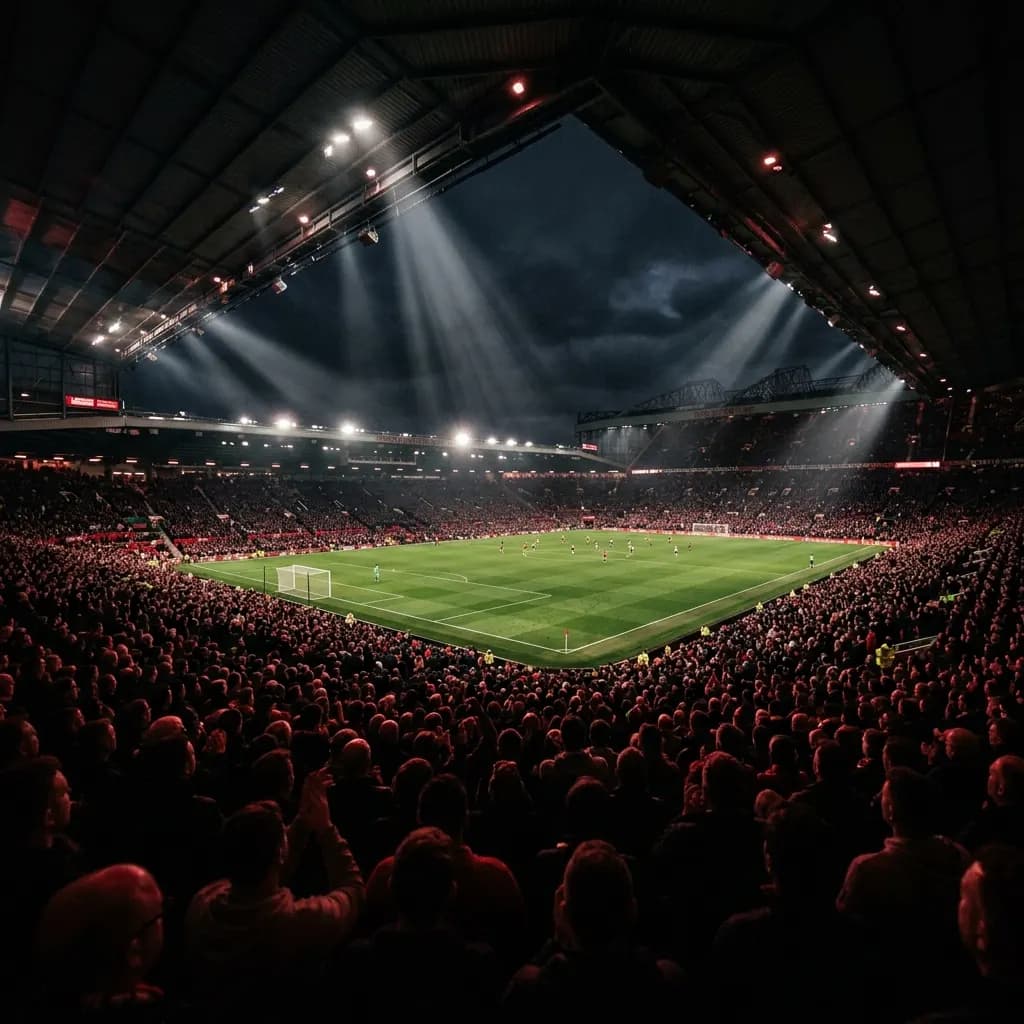
The atmosphere on Opening Day is unlike any other regular-season date. Ballparks reach capacity, pregame ceremonies run longer than usual and the energy in the stands carries a celebratory quality that mixes anticipation with relief that baseball has finally returned. Player introductions along the baselines are met with sustained ovations, and even reserve players and coaching staff receive their moment in front of the home crowd. Anthem performances, color guard presentations and military flyovers add ceremonial weight. Fan rituals vary by city but share common features. Many fans wear new team jerseys or caps purchased specifically for the occasion, and team stores typically launch Opening Day apparel collections in the days leading up to the game. Tailgating culture is particularly strong at parks with surrounding lots, with groups arriving hours before gates open to grill, play catch and reconnect with regulars they have not seen since the previous October. Inside the park, the first pitch itself is met with a roar that often exceeds any other moment of the regular season. Home runs, defensive plays and even routine outs draw amplified reactions through the early innings because the crowd has been waiting months for live baseball. Concession lines remain long throughout the first three innings, and merchandise stands operate at full capacity until late in the game. For families and first-time attendees, Opening Day offers a welcoming, festival-style experience that captures the cultural breadth of the sport in a single afternoon or evening.
Resale market
The resale market for Opening Day is consistently one of the most active of the regular season, driven by the combination of fixed supply, broad fan interest and the symbolic importance of attending the first game. Listings typically appear on the secondary market shortly after season-ticket holders take delivery of their full-season inventory, often months before the game itself. Early listings tend to come from full-season holders who cannot attend or who treat Opening Day as one of their highest-value resale dates. Pricing on the resale market trends qualitatively higher than midweek regular-season games throughout the lead-up, with movement driven by team performance expectations, weather forecasts, pitching matchups and broader storylines such as a marquee free-agent debut or a manager's first game with a new club. For buyers, the most flexible window is typically the four to six weeks before the game, when supply is reasonably broad and pricing has not yet compressed into the final week. As the date approaches, inventory thins and pricing on premium sections tends to firm up further. Last-minute buyers can sometimes find value within 24 to 48 hours of first pitch if weather forecasts turn unfavorable, but in markets with strong baseball followings and warm-weather venues, late-window deals are rare. Fans should verify that listings are for the correct date because resale platforms occasionally show the home opener alongside the team's full Opening Day road schedule. Using the relevant team hubs on this site is a reliable way to confirm matchup, venue and date before committing to a purchase. Mobile delivery is now standard across the league, so most resale tickets transfer electronically rather than as paper or print-at-home documents.
Broadcast & streaming
Opening Day receives wider national broadcast coverage than almost any other regular-season date. League-level broadcast partners typically build a marquee schedule around the day, selecting featured matchups for afternoon and prime-time windows and supplementing them with whip-around studio coverage that updates fans on every opener as it unfolds. Local regional sports networks carry the remaining games for their respective home markets, providing the play-by-play teams and pregame shows that fans follow throughout the season. National radio coverage is also expanded, with flagship baseball programs running extended pregame and postgame content. Streaming options include the league's own subscription product, which carries out-of-market games subject to standard blackout rules, alongside national broadcast partners' streaming apps for in-market viewers with appropriate authentication. Same-day highlights, condensed games and full replays are typically available within hours of final out through league apps. For international viewers, MLB has expanded its broadcast partnerships across multiple regions, with rights holders in Latin America, Asia, the United Kingdom and continental Europe carrying selected Opening Day matchups live or on delay depending on time zone. Fans planning to follow multiple openers in a single day benefit from combining a national broadcast with a streaming subscription to fill in coverage gaps.