
MLB Postseason Tickets
Format, history, venues, tickets and travel — the complete fan playbook
About the MLB Postseason
The MLB Postseason is the climax of a 162-game regular season, a month-long tournament every October where twelve teams compete for the Commissioner's Trophy and the title of World Series champion. For fans, it represents the payoff after six grueling months of daily baseball, where every pitch carries weight, every at-bat can swing a series, and reputations are forged or broken under the brightest lights the sport offers. The postseason has produced some of the most enduring images in American sport, from walk-off home runs in the bottom of the ninth to diving catches that preserve no-hitters into October lore. The scale is immense: dozens of games across roughly four weeks, broadcast to a global audience, with stadiums packed beyond their usual capacity thanks to standing-room sections, premium hospitality areas, and overflow crowds gathering in surrounding plazas. Cities transform when their team reaches the postseason, with bars, restaurants, and public spaces becoming extensions of the ballpark experience. For traveling fans, October baseball offers a uniquely intimate spectacle compared to other major American sports finals, because the games are spread across multiple home venues rather than concentrated in a single neutral site. The atmosphere blends the familiarity of a regular-season home crowd with the electric tension of single-elimination stakes, particularly in the Wild Card round where one bad inning can end a season. Whether you are a lifelong supporter chasing a championship run or a neutral fan drawn to October's high-leverage drama, the MLB Postseason delivers a distinctive blend of strategy, pressure, and theater. Tickets are limited, demand is concentrated into short windows, and planning ahead is the single most reliable way to secure a seat at one of the marquee events on the autumn sports calendar.
Format
The MLB Postseason currently features twelve teams, six from the American League and six from the National League, competing across four rounds: the Wild Card Series, Division Series, League Championship Series, and the World Series. The Wild Card Series is a best-of-three round played entirely at the higher-seeded team's home ballpark, eliminating the historical winner-take-all coin flip that defined earlier formats and giving lower seeds a slightly longer runway to advance. The top two seeds in each league earn a first-round bye, jumping directly into the Division Series, which is a best-of-five contest using a two-two-one home arrangement when necessary. From there, surviving teams advance to the League Championship Series, a best-of-seven matchup that crowns the American League and National League pennant winners. Those two pennant winners then meet in the World Series, also best-of-seven, with home-field advantage determined by regular-season record rather than the All-Star Game outcome used in previous eras. The full bracket can last roughly four weeks from the first Wild Card pitch to a potential Game 7 of the World Series, with travel days, weather postponements, and off-days woven into the schedule. Pitching rotations become central storylines because rest days are limited and starters often appear on shorter rest or in unfamiliar bullpen roles. Rosters can be adjusted between rounds, allowing teams to swap in specialists, additional relievers, or platoon bats depending on the matchup. The designated hitter is now universal in both leagues, removing one historical wrinkle from interleague postseason play. Understanding the format helps fans plan ticket purchases, because some series may end in three games while others stretch the full distance, dramatically changing how many home dates a city ultimately hosts.
History
The MLB Postseason carries more than a century of accumulated history, with the World Series first contested in 1903 and the modern multi-round format evolving steadily across the twentieth and twenty-first centuries. The introduction of divisional play in 1969 added the League Championship Series, the wild card was created in 1995 to broaden access, and subsequent expansions in 2012 and 2022 grew the field to its current twelve-team structure. Along the way, franchises from every corner of the map have built legacies in October, with storied dynasties stacking championships across decades and underdog clubs producing some of the most memorable runs in sports. Certain organizations have become synonymous with sustained postseason excellence, while others are celebrated for breaking long droughts that captivated entire generations of supporters. Individual moments have entered the cultural canon: walk-off home runs that ended seasons, complete-game pitching performances under extreme pressure, defensive plays that preserved no-hitters, and managerial decisions debated for years afterward. The postseason has also delivered statistical milestones, including records for home runs in a single series, strikeouts by a starting pitcher across a postseason run, and consecutive scoreless innings by relief arms. Hall of Fame careers are frequently defined as much by October résumés as by regular-season production, and the Most Valuable Player awards handed out for each League Championship Series and the World Series remain among the most coveted individual honors in the sport. Cities have built civic identities around their postseason history, with championship parades drawing millions of attendees and team museums dedicating substantial space to October artifacts. Even fans who follow the sport casually tend to know the broad outlines of recent dynasties and the most celebrated single-game performances, because postseason baseball has a way of producing narratives that transcend the box score and embed themselves in the broader American sports memory.
How MLB Postseason tickets work
MLB Postseason tickets are released on a rolling basis tied to the bracket itself, which makes timing fundamentally different from the regular season. Most clubs operate a postseason strip program for season-ticket holders, which bundles all potential home playoff games together and requires a deposit well before the regular season ends, with refunds issued for games that are not played. This means the most reliable pipeline to face-value seats runs through the season-ticket community, and any remaining inventory is typically released to the general public in stages once each round is confirmed. Public on-sales tend to happen on short notice, often within twenty-four to seventy-two hours of a series being clinched, and they sell out almost immediately for marquee matchups. Demand spikes dramatically for the League Championship Series and World Series, particularly in cities with long championship droughts or storied rivalries on the bracket. Single-game inventory is generally limited, with significant blocks held back for league partners, sponsors, players' families, and credentialed media. The official allocation is supplemented by a large and active secondary market, which is where most general-public buyers ultimately end up purchasing. For supporters who want a straightforward path to seats, the team hubs on this site aggregate available inventory across rounds and let you compare options for each home date as the bracket clarifies. Prices on the secondary market move with the bracket itself, often rising sharply when a home team forces a decisive game and softening when a series ends in a sweep. The single most important planning principle is to identify your target series and venue early, set alerts, and be ready to act when inventory appears, because postseason windows are short and the most desirable games rarely linger on the open market for long.
Venues
Unlike many championship sports events that use a neutral site, the MLB Postseason is hosted at the regular home ballparks of the qualifying teams, which means the venue mix changes every year based on who advances. The Wild Card Series is played entirely at the higher-seeded team's home stadium, giving that club three potential home dates and zero road games in the opening round. Division Series and League Championship Series rotate between the two participating teams' venues using established home-field formulas tied to seeding and regular-season record. The World Series follows the same principle, with the team holding the better regular-season record opening at home and retaining home-field advantage for a potential Game 7. This rotation produces a wide variety of fan experiences across the postseason, because each ballpark brings its own architecture, sightlines, food culture, and crowd character to the broadcast. Older venues celebrated for their historic dimensions and intimate seating bowls offer a distinctly different atmosphere than newer parks designed with modern premium hospitality, expanded concourses, and skyline views. Capacity varies meaningfully across the league, with some stadiums seating well under forty thousand and others pushing past fifty thousand once standing-room sections are opened for the postseason. Weather is also a factor, since October games in northern cities can swing from mild afternoons to near-freezing nights, while domed and retractable-roof venues offer climate-controlled conditions regardless of the forecast. For traveling fans, this rotating venue model is part of the appeal, because every postseason offers a chance to experience a different ballpark at peak intensity. Checking the home schedule for each round as soon as the bracket is set is the most efficient way to plan a trip around a specific city or stadium.
Travel planning
Planning a trip to an MLB Postseason game requires more flexibility than most other major sports events, because the bracket is only fully resolved a few days before each round begins. The Wild Card Series schedule is confirmed at the end of the regular season, but Division Series, League Championship Series, and World Series matchups crystallize as earlier rounds conclude, often giving fans just a short window between confirmation and first pitch. The most effective approach is to monitor your team's seeding scenarios in the final weeks of the regular season and pre-research flight routes, hotel zones, and ground transportation options for the most likely host cities. Hotel inventory in the immediate vicinity of postseason ballparks compresses quickly, with downtown and stadium-district properties typically selling out first, followed by suburban hotels along the main transit lines. Booking refundable or flexible rates is strongly advisable, since a team's elimination can change your plans overnight. Flights into major hub airports tend to remain available, but fares climb as kickoff approaches, particularly for direct routes from one playoff city to another. Allow extra time at the venue on game day, because postseason security screening, bag checks, and entry queues run longer than the regular season, and pre-game ceremonies often start well before first pitch. Many cities open additional public-transit service or extend operating hours for postseason home dates, which is usually the most reliable way to reach the ballpark. Parking near the stadium is limited, expensive, and slow to clear afterward, so transit, rideshare, or walking from a nearby hotel is often the better option. Building a small buffer of unscheduled time around the game itself lets you enjoy the surrounding neighborhood, which is part of the broader postseason experience.
Atmosphere
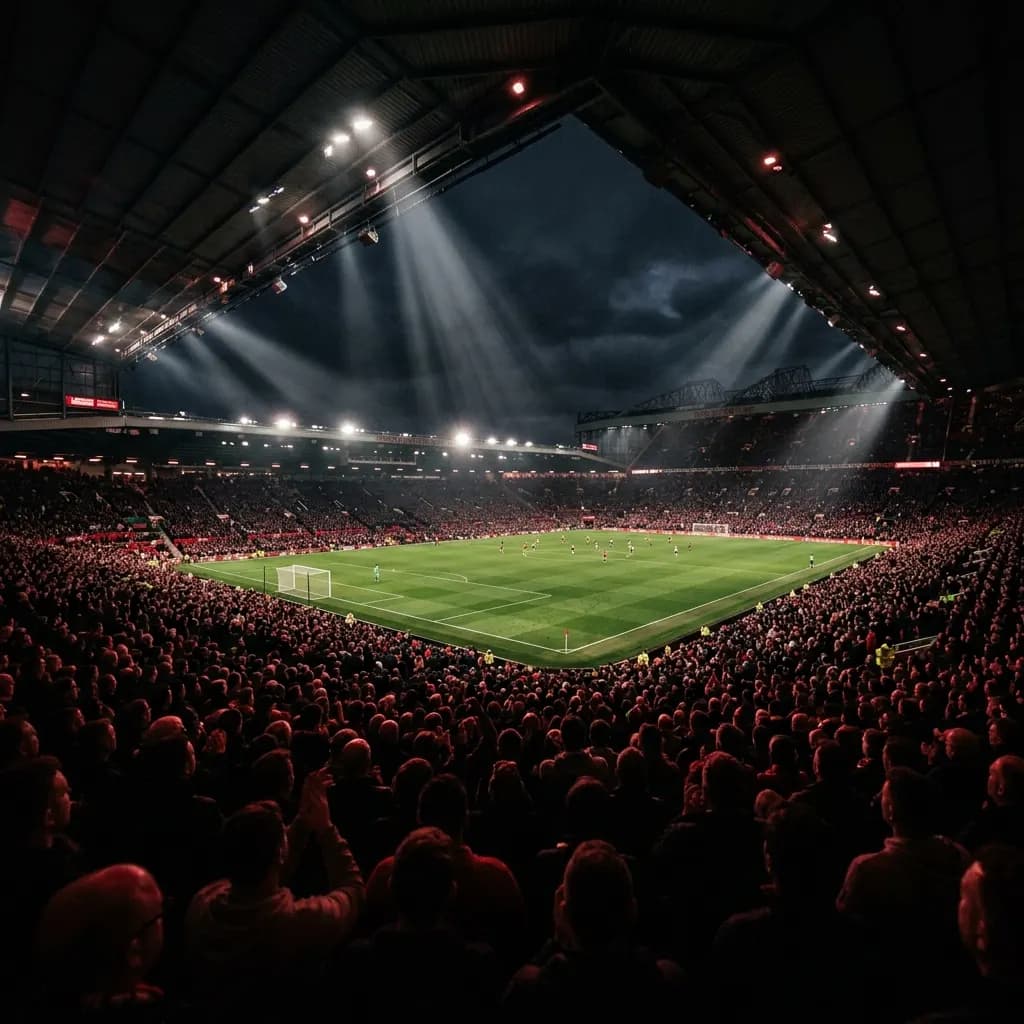
Postseason baseball produces an atmosphere unlike anything in the regular season, because every pitch carries elimination weight and crowds respond accordingly. Towels, rally caps, and color-coordinated giveaway shirts turn entire seating bowls into single-color canvases, and most teams distribute themed promotional items at the gates for marquee home dates. Pre-game ceremonies often feature local musicians, military honor guards, and ceremonial first pitches from franchise legends, with player introductions stretched out and amplified by full-stadium video tributes. Crowd noise can sustain at levels rarely heard during the regular season, particularly during two-strike counts, high-leverage relief appearances, and any at-bat involving the team's biggest star. Long-standing fan rituals come back to the forefront in October, from synchronized chants and seventh-inning traditions to playoff-specific songs that have become embedded in each franchise's identity. Outside the ballpark, surrounding bars and restaurants overflow well before first pitch, and many host their own watch parties for road games during the same series. Tailgating culture is more modest than at football venues but still meaningful, particularly in cities with large surface lots adjacent to the stadium. The walk to and from the ballpark on game day becomes part of the experience, with vendors selling team gear, food trucks lining the access streets, and supporters in jerseys filling the sidewalks for blocks in every direction. The result is a citywide event that extends far beyond the nine innings themselves.
Resale market
The secondary market for MLB Postseason tickets is one of the most dynamic in American sport, driven by a combination of limited official inventory, intense localized demand, and a bracket that changes rapidly from round to round. Pricing tends to follow a clear pattern: inventory is most expensive in the immediate hours after a matchup is confirmed, often softens slightly as the series progresses if the higher-seeded team takes early control, and then spikes sharply for any decisive game. Game 7 of any series, when it materializes, consistently produces the highest resale prices of the entire postseason, often eclipsing earlier World Series games in the same series. Conversely, fans who can be flexible may find better value on weekday afternoon games, games during inclement weather forecasts, or games in series where one team has already taken a commanding lead. Seat-location dynamics also shift in the postseason, with premium club and field-level inventory commanding outsized premiums while upper-deck seats sometimes offer the best relative value for fans who simply want to be in the building. Buyers should pay attention to listed delivery timing, because many postseason tickets are released as mobile transfers only a short time before first pitch. The team hubs on this site aggregate available secondary inventory for each home date and let you compare options across sections without juggling multiple tabs. Setting a realistic budget before the bracket is set and committing to act quickly once inventory appears is the most reliable strategy for postseason buyers.
Broadcast & streaming
MLB Postseason coverage is split across multiple national broadcast partners in the United States, with the Wild Card Series, Division Series, and League Championship Series distributed between the league's primary television rightsholders, and the World Series anchored on a single national network each year. International coverage extends to dozens of countries through regional rightsholders, and a global streaming pipeline makes nearly every postseason game available to subscribers outside the United States. National radio broadcasts continue throughout the postseason and remain a popular option for fans driving home from work or unable to access a television, with both English-language and Spanish-language feeds available for the marquee rounds. Local team radio affiliates also produce their own postseason broadcasts in many cases, giving supporters the option of a hometown announcing crew during national television windows. Streaming options have expanded considerably in recent years, with most national broadcast partners offering authenticated apps that mirror their television feeds. Start times skew toward primetime in the eastern United States, which means earlier slots on the West Coast and overnight viewing for international audiences in Europe and beyond. Checking the official broadcast schedule as each round is confirmed is the simplest way to plan your viewing across the bracket.