
MLS Cup Tickets
Format, history, venues, tickets and travel — the complete fan playbook
About the MLS Cup
MLS Cup is the championship final of Major League Soccer, the title match that closes the North American professional soccer calendar each December. It is a single, winner-take-all fixture between the surviving Eastern Conference and Western Conference finalists, played at the home stadium of whichever club holds the higher seed at the end of the Audi MLS Cup Playoffs. For supporters, this is the day a season of league play, conference brackets, and bracket-tightening drama collapses into ninety minutes (plus possible extra time and penalties) of decisive soccer. The match crowns the league champion, etches a club into the Philip F. Anschutz Trophy lineage, and frequently shapes the legacies of the players and coaches involved. Scale-wise, MLS Cup has grown from a niche American final into a continental soccer occasion, drawing capacity crowds, national broadcast windows, and pre-match programming that stretches across the host market for the better part of a week. Sponsors, league dignitaries, club legends, and traveling supporter groups converge on a single stadium, while watch parties spread across both finalists' home markets and into a growing international viewership. Because the final is hosted rather than rotated to a neutral site, MLS Cup carries a distinct competitive edge: the home club earns the right to defend its own grass, while the visiting fans plan a road trip on short notice. For neutral fans, it is the cleanest entry point into MLS for the year — one match, one trophy, one champion — and for committed supporters of the two finalists, it is the most consequential day on the calendar. Tickets for the two clubs in contention can be researched through the team hubs on this site once the matchup is confirmed.
Format
MLS Cup is contested as a single match rather than a multi-leg series, which is the defining structural feature of the final. The Eastern Conference champion and Western Conference champion each advance through the Audi MLS Cup Playoffs — a bracket that includes a best-of-three first round followed by single-elimination conference semifinals and conference finals — before meeting in the title game. The higher-seeded finalist, based on regular-season standings, hosts the match at its own venue, giving home-field advantage real weight throughout the postseason. The game itself follows standard soccer rules: two forty-five-minute halves with stoppage time, a halftime interval, and the standard substitution allotment used across the league season. If the score is level at the end of regulation, the match proceeds to two fifteen-minute periods of extra time. Should the teams still be tied, the champion is decided by a penalty shootout from the spot, ensuring that a trophy is awarded on the night and not deferred to a replay. Match officials are appointed by PRO, the body that manages on-field officiating for MLS, and Video Assistant Referee review is in operation throughout the final. Squad availability follows the league's playoff roster rules, with international call-ups, suspensions accrued during the bracket, and injury reports all factored into team sheets. Because the final is hosted rather than scheduled at a neutral venue, kickoff time, broadcast window, and pre-match programming are coordinated between the league office, the host club, and the broadcast partners once the matchup is set, typically about a week before the match. That short turnaround is part of what gives MLS Cup week its compressed, high-intensity feel for organizers, players, and fans alike.
History
MLS Cup has been contested since the league's inaugural 1996 season, and its history traces the broader story of professional soccer in North America. The earliest finals were played at neutral venues, often in front of curious general-sports audiences as much as committed soccer supporters, and they helped establish a championship identity for a young league still finding its footing. Over the years, the trophy has been lifted by a relatively small group of repeat winners — clubs whose front offices, academies, and tactical identities allowed them to sustain success across multiple cycles. D.C. United and the Los Angeles Galaxy were early dynastic forces, with the Galaxy in particular collecting multiple titles across distinct eras as the league expanded and global stars began arriving in MLS. Houston Dynamo, Sporting Kansas City, Columbus Crew, Portland Timbers, Seattle Sounders, Atlanta United, New York City FC, and LAFC are among the franchises that have added their names to the Philip F. Anschutz Trophy, each champion reflecting a different chapter in the league's evolution. The format shifted from neutral-site finals to host-site finals in 2012, a change that dramatically altered the atmosphere and travel patterns surrounding the match. Memorable moments include extra-time winners, goalkeeping performances that turned tight games, veteran captains hoisting the trophy in their final professional appearances, and breakthrough nights for academy-developed players. The final has also showcased the transition of MLS toward a younger, more technical style, with recent champions blending homegrown talent, designated-player signings, and tactically sophisticated coaching staffs. Because MLS does not maintain a single home stadium for the final, much of its history is geographically distributed — from the Pacific Northwest to the Southeast, from the Northeast corridor to Southern California. That geographic spread is part of what makes MLS Cup's record book feel like a tour of the league's most influential markets and clubs.
How MLS Cup tickets work
Ticket distribution for MLS Cup is shaped by one decisive fact: the match is hosted at the higher-seeded finalist's stadium, and the identity of that host is not confirmed until the conference finals are complete. That compressed window — usually about a week between the matchup being set and kickoff — drives every part of the on-sale process. Season ticket members of the host club typically receive the first window of access, with the league and club coordinating seat assignments, suite allocations, and any premium-experience packages. Season ticket members of the visiting finalist receive a designated allocation as well, usually concentrated in a traveling-supporters section so that away fans have a defined home inside the stadium. After those priority windows, any remaining inventory is released to the broader public, often via a club-managed sale and the league's official ticketing channels. Because MLS Cup is a single match at a venue with finite capacity, demand consistently outstrips supply, particularly when one or both finalists are large-market clubs with deep supporter bases. Pricing reflects that scarcity, with seat location, sightlines, and proximity to the supporters' sections all influencing relative value. Fans planning to attend should monitor official communications from both finalist clubs the moment the conference finals are decided, since on-sale times can move quickly. Premium hospitality, club-level seating, and field-level experiences are typically offered as bundled packages that include matchday amenities. For supporters who are not season ticket members of either finalist, the secondary market becomes the most realistic route into the building, and that market reprices rapidly across the week. Fans researching options for either finalist can use the team hubs on this site to navigate to verified ticket inventory once the matchup is confirmed, rather than relying on unverified listings circulated on social media in the final days before kickoff.
Venues
MLS Cup does not have a permanent home. Since 2012, the final has been hosted at the home stadium of the higher-seeded finalist, which means the venue is essentially unknown until the conference finals conclude. That rotation has taken the final to a wide range of stadiums across the United States and Canada, from purpose-built soccer-specific venues to larger multi-use facilities shared with other professional teams. Soccer-specific stadiums tend to deliver the tightest atmosphere, with steep stands, dedicated supporters' sections, and sightlines designed around the pitch rather than around a football or baseball footprint. Larger shared venues, when used, can push attendance figures higher and accommodate broader broadcast and hospitality footprints, though they sometimes trade some of the intimacy of a smaller ground. Host clubs are responsible for stadium operations on the night, working alongside the league office on broadcast positioning, pre-match programming, trophy presentation logistics, and supporter group coordination. Weather is a real factor: the final is played in December, and conditions can range from mild West Coast evenings to cold-weather nights in the Northeast, Midwest, or Canada. That variability influences kit choices, pitch preparation, and the fan experience in concourses and parking areas. For traveling supporters, the venue announcement is the trigger for the entire trip — flights, hotels, ground transport, and pre-match meetups all flow from that confirmation. Because the host market changes year to year, MLS Cup has effectively toured the league's most important soccer cities, giving each region a turn at hosting the championship moment. Stadium-specific details, including parking, accessibility, bag policies, and supporter-section locations, are communicated by the host club in the days leading up to the match.
Travel planning
Planning a trip to MLS Cup is unusual compared with most major sports finals because the host city is confirmed only about a week before kickoff. That short window makes flexibility the most valuable currency for traveling supporters. Fans who follow a contending club through the playoffs are wise to monitor flight and hotel inventory in the most likely host markets as the bracket narrows, even if they do not book until the matchup is set. Once the host stadium is announced, flight prices into that market typically firm up quickly, especially on routes from the visiting finalist's home city. Direct flights, when available, are usually the first to sell through; connecting itineraries through major hubs can offer late-availability options at the cost of longer travel days. Hotels closest to the stadium and to downtown entertainment districts tend to fill first, particularly properties that have hosted team functions or supporter group meetups in previous finals. Booking slightly farther out — near transit lines, airport corridors, or adjacent suburbs — often opens up more reasonable availability and can simplify post-match logistics. Ground transport on matchday varies by host city: some venues are well served by light rail or commuter rail, while others rely heavily on rideshare and dedicated parking lots. Fans should plan to arrive at the stadium well before kickoff to navigate security, supporter group marches, and pre-match programming. Weather planning is essential given the December date, with layered clothing, waterproof outerwear, and stadium-compliant bags all worth considering. For neutral fans traveling to experience the match, mid-week arrivals can offer better hotel rates and a chance to explore the host city before the matchday crowd arrives.
Atmosphere
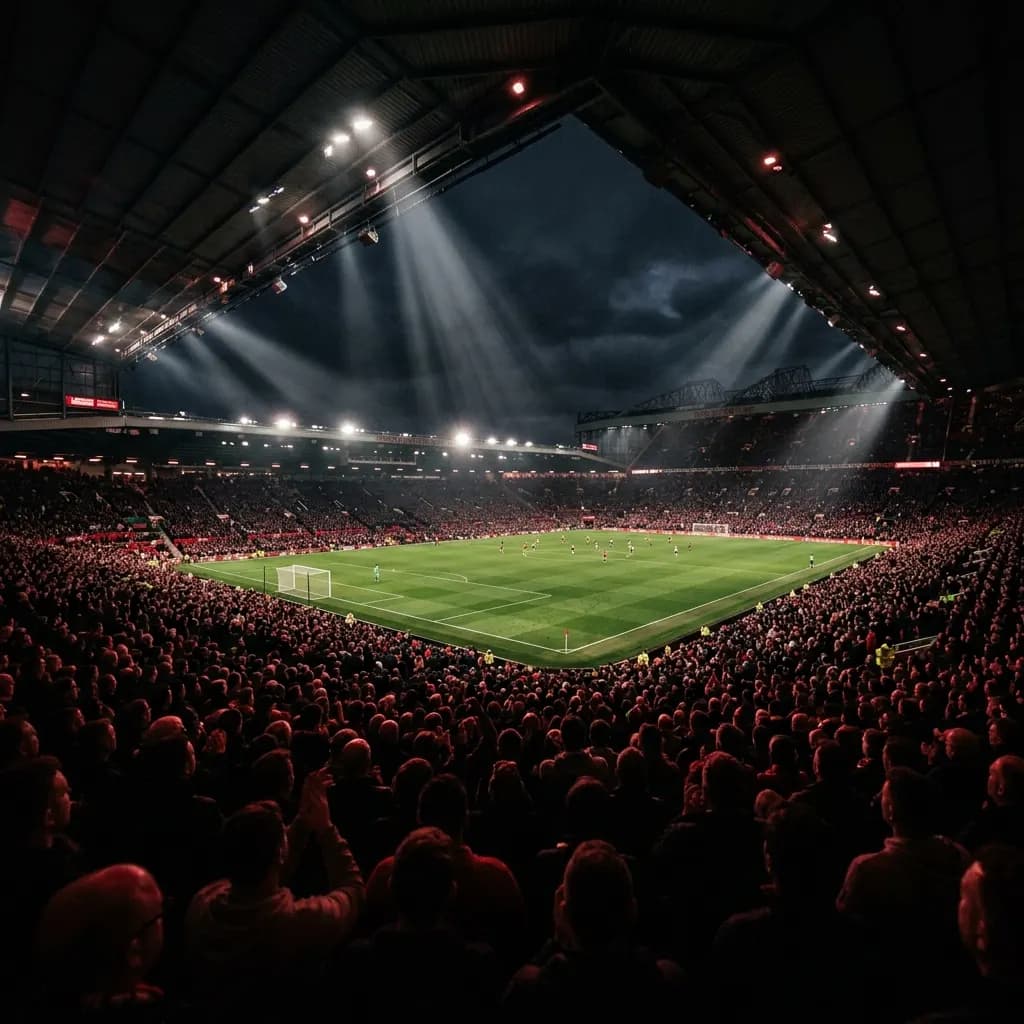
MLS Cup matchday has a tone of its own, shaped by the single-match format and the home-hosted setting. Supporter groups from both finalists typically organize pre-match marches from designated gathering points to the stadium, with drums, chants, scarves, and tifo displays building anticipation through the surrounding streets. The host club's supporters' section becomes the visual and sonic center of the stadium, while the visiting allocation produces its own concentrated wall of color and noise. League programming around the match — opening ceremonies, trophy presentation staging, on-field tributes — adds a championship-event feel without overshadowing the soccer itself. Inside the stadium, the atmosphere tends to swing sharply with the run of play: long stretches of tense, organized chanting, punctuated by eruptions on chances, set pieces, and goals. Because the final is hosted rather than neutral, the home crowd often sets the dominant tone, but visiting supporters can flip the energy of the building with a goal against the run of play. Pre-match rituals vary by host market — tailgates, supporter-bar gatherings, and team-sanctioned fan zones are common — and many fans build the day around a long pre-match window rather than arriving close to kickoff. After the final whistle, the trophy lift, confetti drop, and on-field celebration are central images of the MLS season, and supporters of the winning club often linger long after the broadcast ends. For neutral attendees, the matchday delivers a concentrated dose of MLS culture in one stadium on one night.
Resale market
The MLS Cup resale market has a distinct rhythm driven by the late confirmation of the matchup and the host venue. In the days immediately after the conference finals, listings surge as season ticket members of both finalists decide whether to attend, sell, or transfer their seats. Early in that window, pricing can be volatile, with sellers testing the market before demand fully forms. As matchday approaches, prices typically firm up around the most desirable inventory — midfield seats, club-level seating, sections adjacent to the visiting supporters' allocation, and any premium hospitality packages. Sections near the home supporters' group often retain strong demand from neutrals seeking atmosphere, while upper-level seats tend to offer the most accessible entry points into the building. Pricing pressure is heavily influenced by the identities of the two finalists: matchups involving large-market clubs, historic rivalries, or first-time finalists tend to push secondary-market demand higher. Weather forecasts in the host city can also shift the market in the final 24 to 48 hours, particularly for outdoor venues in colder climates. Fans considering resale should prioritize verified marketplaces and clearly identified seat locations over informal listings, and should be alert to last-minute drops as some sellers reprice rather than hold inventory through kickoff. Mobile ticket transfer is now standard, which simplifies last-minute purchases but also requires buyers to be comfortable receiving entry credentials close to matchday. For supporters of either finalist, the team hubs on this site can be used to navigate to verified inventory rather than relying on unverified social-media listings.
Broadcast & streaming
MLS Cup is a marquee broadcast event for the league, carried through its primary national media partners across linear television and streaming. The final receives a dedicated kickoff window designed to maximize audience availability across North American time zones, with pre-match and post-match studio programming bracketing the live coverage. English-language and Spanish-language broadcasts are produced in parallel, ensuring that the league's bilingual audience is served by familiar play-by-play and analyst teams. Streaming coverage mirrors the linear broadcast and is available through the league's official streaming partner, with additional clips, highlights, and condensed-match replays distributed across official MLS channels after the final whistle. Watch parties at supporter bars, club-organized viewing events, and league-promoted fan zones have become a meaningful part of the broadcast footprint, particularly in the home markets of the two finalists. Internationally, MLS Cup is distributed through the league's overseas broadcast partners, reflecting the growing global interest in the competition. For fans who cannot attend in person, the broadcast remains the definitive way to experience the match, with full pre-match build, tactical analysis, and trophy presentation included in the program.