
NBA All-Star Game Tickets
Format, history, venues, tickets and travel — the complete fan playbook
About the NBA All-Star Game
The NBA All-Star Game is the league's annual midseason showcase, a weekend-long celebration that pauses the regular season every February to crown the sport's brightest stars in front of a global audience. What began decades ago as a single exhibition contest has grown into a multi-day festival of basketball, music, fashion, and culture, with the headline game on Sunday night serving as the centerpiece of the entire NBA calendar outside the Finals. For fans, it is the rare occasion when the league's biggest names share the same floor at the same time, regardless of conference, contract, or rivalry. The scale of the event is difficult to overstate. Tens of thousands of ticketed attendees fill the host arena across Saturday and Sunday, while millions more watch on television in more than 200 countries and territories. The host city transforms for the week, with downtown districts taking on the feel of a Super Bowl-style takeover featuring fan fests, sponsor activations, celebrity sightings, and pop-up concerts. For diehards, the appeal goes beyond the final score. The weekend is a chance to see future Hall of Famers up close, to watch young stars announce themselves on a national stage, and to witness moments that immediately become part of league lore. It is also one of the few times each year when the NBA itself becomes the story rather than any single franchise. Whether you follow the league for the basketball, the personalities, the culture, or all three, the All-Star Game functions as the sport's annual family reunion, and securing a seat inside the building remains one of the most coveted experiences in American sports.
Format
The All-Star weekend follows a structured three-day format that has evolved over time but retains a familiar rhythm. Friday is traditionally reserved for ancillary events including the Rising Stars showcase, which spotlights the league's top first and second-year players, along with celebrity competitions and community programming around the host city. Saturday night is the marquee skills showcase, headlined by the Three-Point Contest, the Skills Challenge, and the Slam Dunk Contest, which together form one of the most-watched non-game broadcasts on the NBA calendar. Sunday is reserved for the All-Star Game itself, the headline exhibition that draws the largest live and television audience of the weekend. The game format has undergone several refreshes in recent years as the league experiments with ways to restore competitive intensity. Past iterations have included traditional East-versus-West conference matchups, captains drafting their own rosters in playground style, target-score endings that reward defensive stops in the final stretch, and most recently a four-team mini-tournament structure designed to compress the action and raise the stakes. Rosters are filled through a combination of fan voting, player voting, media voting, and coach selections, with starters and reserves announced in the weeks leading up to the event. The headline game runs at standard NBA length under whichever format the league has set for that year, while the Saturday night events follow their own timed and scored formats. Doors at the host arena typically open well before tip-off to accommodate pregame entertainment, player introductions that often feature live musical performances, and the elaborate production values that distinguish All-Star Sunday from any regular-season night. Together, the weekend is engineered to feel less like a single game and more like a full sporting and entertainment festival.
History
The All-Star Game has produced some of the most memorable individual performances in basketball history, and its archive reads like a highlight reel of the sport's greatest names. From the earliest editions in the mid-twentieth century through to the modern era, the event has been used by superstars to deliver signature moments, from buzzer-beaters and viral dunks to dominant scoring displays that reshaped how the position itself was understood. Generations of players, from Wilt Chamberlain and Oscar Robertson through Magic Johnson, Michael Jordan, Kobe Bryant, LeBron James, and Kevin Durant, have collected All-Star Game Most Valuable Player honors and added to the event's lore. The Saturday night events have their own deep history. The Slam Dunk Contest in particular has become a cultural touchstone, producing iconic showdowns between rivals, between generations, and between players of different sizes who used the contest to redefine what was possible above the rim. The Three-Point Contest, introduced in the 1980s, has grown in stature alongside the league's broader embrace of the long-range shot, with many of the modern era's greatest shooters using it to cement their reputations. The Rising Stars showcase has served as an early stage for future MVPs and champions long before they reached the headline game. Notable single-night records, including high-scoring outbursts in the Sunday game and standout dunk performances on Saturday, are routinely revisited each February as benchmarks for the current generation. Moments of tribute have also defined recent All-Star weekends, with the league using the event to honor legends, celebrate anniversaries, and mark milestones that connect today's stars to those who built the game. Taken together, the history of the All-Star Game functions as a living scrapbook of professional basketball, with each new edition adding fresh entries that fans debate and rewatch for years afterward.
How NBA All-Star Game tickets work
Tickets to the NBA All-Star Game are among the most in-demand single-event seats in American sports, and the sale process reflects that reality. Initial access is typically reserved for season ticket holders of the host franchise, who are offered the opportunity to purchase their own seats for All-Star Saturday and All-Star Sunday before the wider public has any path in. League partners, sponsors, broadcast affiliates, and players themselves also receive allocations, which means the volume of inventory available in a true public on-sale is significantly smaller than the arena's listed capacity might suggest. A limited general public sale usually follows the priority windows, often announced only a few weeks before the event and structured through the host team's official channels. These releases tend to clear very quickly, with demand routinely exceeding supply by a wide margin. Pricing on the primary market is set by the league and the host team and varies significantly by location within the arena, by night of the weekend, and by package type, since some tickets are sold as bundles covering both Saturday and Sunday rather than as single sessions. For fans without insider access, the practical reality is that the secondary market becomes the dominant route to a seat. Resale inventory is typically deep but priced at a substantial premium to face value, particularly for lower-bowl seats on Sunday and for any seat near the floor on Saturday night. Planning ahead pays off. Fans who decide early, set a clear budget, and stay flexible on section and view tend to fare better than those who wait until the final week. For All-Star inventory and links to event listings, the team hubs on this site track availability for the host franchise and surrounding home games, which often offer a smoother path into the building during the broader All-Star weekend window.
Venues
Unlike a traditional home-and-away series, the NBA All-Star Game rotates each year to a different host city, with the league awarding the event to franchises through a bidding and selection process that can be announced years in advance. Cities lobby aggressively for the privilege because hosting brings significant tourism, hospitality, and media spend, along with a chance to showcase the local arena and surrounding entertainment district on a global stage. The host venue is almost always the home arena of an NBA franchise, chosen for its capacity, broadcast infrastructure, hospitality offerings, and ability to accommodate the secondary spaces required for a multi-day event. The rotation has historically favored large markets and cities with new or recently renovated arenas, but the league also makes a point of spreading the event across regions, with previous editions held in the Western Conference, Eastern Conference, and Sunbelt markets alike. International expressions of interest have grown in recent years, although the headline game itself has continued to be staged in North America. Beyond the arena, the host city typically dedicates a convention center or large secondary venue to the official fan experience, which runs across multiple days and offers interactive exhibits, autograph sessions, and merchandise. Nearby hotels, restaurants, and nightlife districts effectively become extensions of the event, with sponsor activations and unofficial parties filling much of the surrounding downtown footprint. Because the host changes each year, planning details such as transit access, parking, and walkability vary considerably from edition to edition. Fans traveling in are well advised to study the specific host arena's layout, public transport options, and surrounding neighborhood before booking lodging, since proximity to the venue can make a meaningful difference across a long weekend of events.
Travel planning
For fans planning to attend All-Star weekend in person, the trip is best treated less like a single game and more like a long-weekend destination, with travel logistics deserving as much attention as the ticket itself. Flights into the host city typically see sharp price increases as the event approaches, particularly on routes from other NBA markets and major media hubs. Booking well in advance, ideally as soon as the host city is confirmed and the date is locked in, almost always produces better fares than waiting until the official roster announcements draw broader attention to the trip. Hotels follow a similar pattern but with an even tighter market. The host city's downtown core, especially properties within walking distance of the arena and the official fan experience venue, tends to sell out months ahead, often at premium rates with minimum-night stay requirements. Fans who are flexible about neighborhood can find better value a short ride away, particularly near transit lines that connect directly to the arena district. For peace of mind, choosing accommodation with free cancellation windows is worth the small premium given how often plans shift between the host announcement and the event itself. Ground transport during the weekend is its own consideration. Traffic around the arena typically becomes severe in the hours before and after each session, so building in extra time, using public transit where available, or staying within walking distance is strongly recommended. Many fans treat the weekend as a chance to also catch local sights, dining, and nightlife, which means a three to four night stay is far more common than a single overnight. Travel insurance, flexible flight options, and clear contingency plans for any weather disruption round out a sensible plan, particularly given the February timing.
Atmosphere
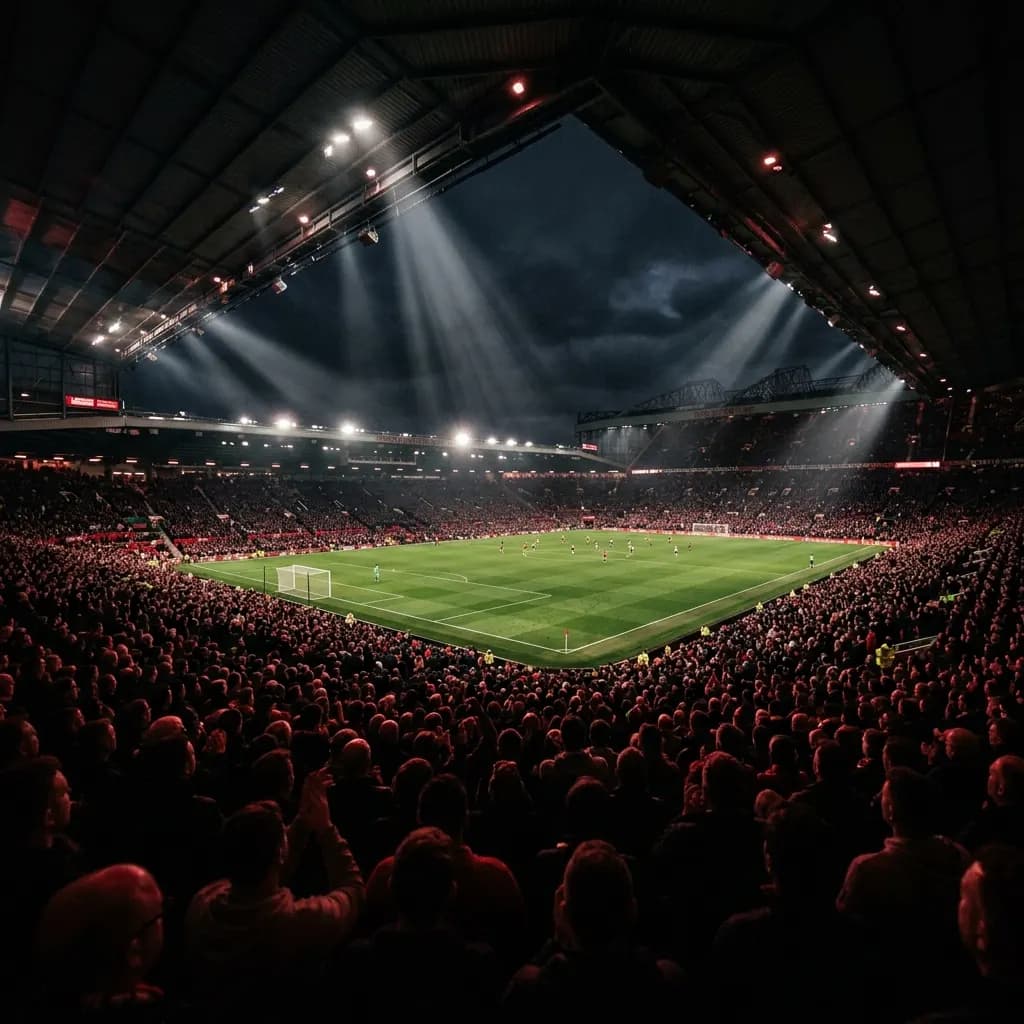
The atmosphere around All-Star weekend is unlike anything else on the NBA calendar. For three or four days, the host city takes on a festival energy, with downtown blocks closed off for fan events, hotel lobbies filled with familiar faces from across the league, and restaurants booked solid by media, sponsors, and traveling fans. Inside the arena, the production values are turned up several notches from a regular-season game, with elaborate lighting rigs, custom-built stages for player introductions, and live musical performances threaded through the broadcast windows. Fan rituals have developed around the weekend over time. Many attendees treat Saturday night as the showcase event, dressing for the cameras and embracing the looser, more entertainment-driven feel of the skills competitions. Sunday tends to carry a slightly different energy, with a stronger focus on the basketball itself and on seeing as many stars as possible share the floor. Outside the arena, jersey culture is on full display, with fans from every franchise and era of the league mixing freely on the streets, in the fan zone, and at the unofficial gatherings that surround the official program. The mood is overwhelmingly celebratory rather than partisan. Without a home team to root for in the traditional sense, the crowd tends to cheer big moments, viral dunks, and individual brilliance regardless of jersey, which gives the entire weekend a uniquely communal feel within professional sports.
Resale market
The resale market for All-Star tickets is one of the most active in American sports, and understanding how it moves can meaningfully affect what fans pay and where they sit. Listings typically appear within hours of the primary on-sale, often at substantial premiums to face value, particularly for lower-bowl seats on Sunday and for any inventory near the floor on Saturday night. Prices tend to fluctuate based on the strength of the announced rosters, the host city's draw, and the broader calendar of competing events that weekend. Patterns within the resale window are worth watching. Inventory often peaks in availability several weeks out, then thins as the event approaches, with sellers either offloading early to lock in returns or holding closer to the event in hopes of last-minute demand. The final week before the weekend can swing either direction, with prices occasionally softening for upper-bowl seats as remaining inventory looks for buyers, while premium seats tend to hold or climb. Fans willing to be flexible about section, view, or even which night they prioritize often find the best relative value. Saturday night skills events frequently trade at a discount to the Sunday game, despite being a fan favorite in their own right. Buyers should always confirm that any resale purchase comes through a transparent, ticket-verified channel with clear delivery timing and refund protections, and should be especially cautious of any listing priced well below the prevailing market, which is often a warning sign rather than a bargain.
Broadcast & streaming
The All-Star Game receives extensive television and streaming coverage in the United States and around the world, anchored by the NBA's primary broadcast partners. The headline Sunday game traditionally airs on a major national network in prime time, while the Saturday night skills events are typically carried on the same family of networks earlier in the evening. Pregame and postgame programming wraps around each session, with extended studio coverage, player interviews, and red carpet style arrivals that begin hours before tip-off. International coverage is similarly comprehensive. Through league partnerships, the All-Star Game is broadcast in more than 200 countries and territories, often with local-language commentary tailored to specific regions. Streaming options through the league's official platform and through partner apps make it possible to follow the entire weekend from almost anywhere in the world, including catch-up viewing for fans in time zones that make live streaming impractical. For fans inside the host arena, the in-venue broadcast is enhanced with custom video board content, behind-the-scenes camera angles, and interactive moments that often do not make the linear television feed.