
NFL Draft Tickets
Format, history, venues, tickets and travel — the complete fan playbook
About the NFL Draft
The NFL Draft has evolved from a procedural league meeting held in a hotel ballroom into one of the most-watched non-game events on the American sports calendar. Held every late April, it is the moment when the league's thirty-two franchises select the next wave of college talent, reshaping rosters, fan expectations, and championship windows in a single weekend. For supporters, it is a rare event that rewards the entire fan base equally, because every team picks, every team has a story, and every selection carries implications that stretch years into the future. The Draft has become a destination event, drawing hundreds of thousands of fans to whichever city is chosen to host, and millions more to television and streaming coverage. Its appeal sits in the intersection of hope and uncertainty: a quarterback selected on Thursday night can become a franchise cornerstone, a late-round flier on Saturday can become a Pro Bowler, and a perceived reach can define a general manager's tenure. Fans care because the Draft is, in many ways, the offseason's Super Bowl, a communal moment when speculation gives way to commitment and the next era of football begins to take shape. The scale is striking. Host cities build temporary stadiums, theaters, and fan villages capable of holding crowds comparable to mid-sized music festivals, while the surrounding NFL Draft Experience offers interactive exhibits, autograph sessions, and appearances from former players. It is part sporting event, part civic festival, part roster reset, and increasingly a measuring stick for how the league wants to present itself to a global audience over a long, quiet stretch between the Super Bowl and training camp.
Format
The NFL Draft is staged across three days, traditionally Thursday through Saturday in the final week of April. Day one consists of the opening round, broadcast in prime time, and is the marquee session because of its quarterback drama, trade volume, and on-stage commissioner moments. Day two covers the second and third rounds, also in prime time but with a faster cadence as picks come more quickly and more trades typically materialize. Day three handles rounds four through seven, condensed into a single afternoon block that often defines a class as deeply as the opening night does. Each team is allotted a set time to make its selection, with the clock shrinking as the rounds progress. Round one allows ten minutes per pick, round two seven minutes, and the later rounds five minutes or fewer, which creates a rhythm that television producers use to manage suspense and storytelling. Trades can happen at any time, and a war room can move up, move down, or package picks for future drafts, which gives the broadcast its unpredictable spine. The structure is governed by the previous season's standings in reverse order, modified by playoff results and any conditional picks acquired through trades or compensatory formulas. Selections are announced from a main stage by the commissioner in round one and by team representatives, alumni, fans, or military service members in later rounds, a tradition that has deepened the event's emotional texture. The Draft also features the green room, where invited prospects wait with families for their names to be called. Outside the broadcast itself, the league runs the NFL Draft Experience, a free fan campus that operates throughout the three days with combine-style drills, museum installations, autograph stages, and partner activations.
History
The NFL Draft began in 1936 as a closed-door meeting designed to bring competitive balance to a league dominated by a handful of franchises, and Jay Berwanger, the first Heisman Trophy winner, was the first player ever selected. For most of its early existence, the Draft was conducted in hotel conference rooms, and only became a televised event in the 1980s, when a then-emerging cable network gambled that fans would watch executives read names off cards. That gamble reshaped the sport. Over the decades, the Draft has become a venue for some of football's most defining moments, from quarterback classes that came to anchor multiple Super Bowl eras, to receiver groups that redefined offensive schemes, to defensive players who became the faces of new generations of dominance. Certain selections live in fan memory because of their immediate impact, others because of how dramatically they exceeded or fell short of expectations, and others still because of the trades that surrounded them. Slides down the board, surprise selections, and late-round finds have become part of the cultural vocabulary of the event. The Draft has also produced iconic visual moments, from emotional family embraces in the green room to fans dressed as their team's mascot reacting in real time, to legendary alumni announcing picks for their former clubs. The decision to take the Draft on the road, beginning in the mid-2010s, transformed it again, turning it from a New York stage tradition into a touring civic festival hosted by football cities eager to showcase their identity. Records continue to evolve, including positional firsts, longest waits in the green room, and most trades executed in a single round. The through-line across nine decades is constant: the Draft is the moment when the next chapter of the league is written, and the history of any franchise can be read as a sequence of decisions made over these three spring days.
How NFL Draft tickets work
The NFL Draft is unusual among major league events because the main theater experience is free to access through an advance registration system operated by the league each year, with seating distributed by a combination of lottery and confirmation windows. That free-ticket model has reshaped the way fans plan, because the bottleneck is not money but timing and availability. Demand vastly outstrips capacity in the main theater, especially for the opening night broadcast, and the registration windows can fill within hours of opening. Fans hoping to be inside the theater for round one are advised to monitor the host city's official Draft pages closely in the weeks leading up to the event and to register on multiple devices within their household. Beyond the theater, the NFL Draft Experience fan campus is also free and operates throughout the three days with a separate, lighter-touch registration process that is far easier to secure. Some host cities have offered premium ticketed hospitality packages through official partners, which bundle theater access with food, beverage, and player or alumni appearances, and these can sell out quickly when announced. There is also typically a stand-by line on event days for fans without confirmed seats, and patient supporters often gain entry as theater capacity rotates between rounds. For away fans hoping to attend the Draft in a specific year, the practical reality is that travel logistics often need to be locked in before the free ticket process opens, because flights and hotels move on demand cycles that do not wait for ticket confirmations. Supporters interested in regular-season and postseason NFL tickets for their club can find current matchups, projected schedules, and venue information through the team hubs on this site, which centralize availability across the season and provide a single planning surface for fans following a club through draft weekend and into the calendar that follows.
Venues
The NFL Draft no longer has a single permanent home. Since the league moved the event out of New York in the mid-2010s, the Draft has rotated annually between host cities chosen through a formal bid process, and that rotation has become one of the defining features of the modern event. Recent and announced hosts have included Chicago, Philadelphia, Nashville, Las Vegas, Cleveland, Kansas City, Detroit, Green Bay, and Pittsburgh, with each city building a custom temporary venue tailored to its own civic landmarks. The main theater is usually constructed on a marquee public space, often a riverfront, plaza, downtown park, or stadium concourse, and is dismantled after the event ends. That portability is part of the design, because the league wants the Draft to feel like a stage built specifically for the host city rather than a generic broadcast set. Host city selection considers factors including stadium proximity, hotel inventory, transit capacity, public space availability, and the strength of the bid presentation, which often includes local government investment, sponsor support, and tourism agency commitments. Successful host cities typically use the Draft as a showcase event, programming the days around it with concerts, fan festivals, and visits to NFL Films installations or league alumni appearances. For fans, the rotation means that planning involves understanding the geography of that year's host: where the theater sits, how the NFL Draft Experience campus is laid out, and how local transit handles the surge of weekend crowds. Future host cities are usually announced one to two years in advance, which gives travel-minded fans a meaningful planning window, and the league has signaled an ongoing commitment to spreading the event across the country rather than concentrating it in a handful of metros.
Travel planning
Planning travel for the NFL Draft is different from planning for a regular-season game because the event is concentrated downtown, draws hundreds of thousands of visitors over three days, and unfolds in a host city that changes every year. Flights into the host market typically begin showing pressure several months in advance, particularly for arrivals on Wednesday or Thursday and departures on Sunday or Monday. Fans who wait until the league finalizes the broadcast schedule often find themselves locked into longer connections or less convenient airports, so committing early, even before securing a free theater ticket, is generally the better strategy. Hotel inventory tightens even faster than flights. The league reserves blocks for partners, prospects, media, and sponsors, which removes a significant portion of downtown rooms from the open market well before the event. Fans planning a Draft trip should book accommodation as soon as the host city is confirmed, with attention to walking distance from the theater footprint, because road closures and pedestrian-only zones reshape the downtown core during event days. Short-term rentals can be a strong alternative, particularly for groups, and neighborhoods one transit stop outside the immediate footprint often deliver better value with manageable commutes. On-the-ground logistics matter as well. The NFL Draft Experience is free but very popular, lines build early, and the most coveted activations such as autograph stages and combine drills require time investment. Fans attending with children may want to prioritize weekday daytime slots, when crowds are thinner. Weather in late April varies widely by host city, so packing layers, rain protection, and comfortable shoes is essential. For supporters tying a Draft trip to a longer NFL itinerary, schedule and stadium information for clubs can be found through the team hubs on this site.
Atmosphere
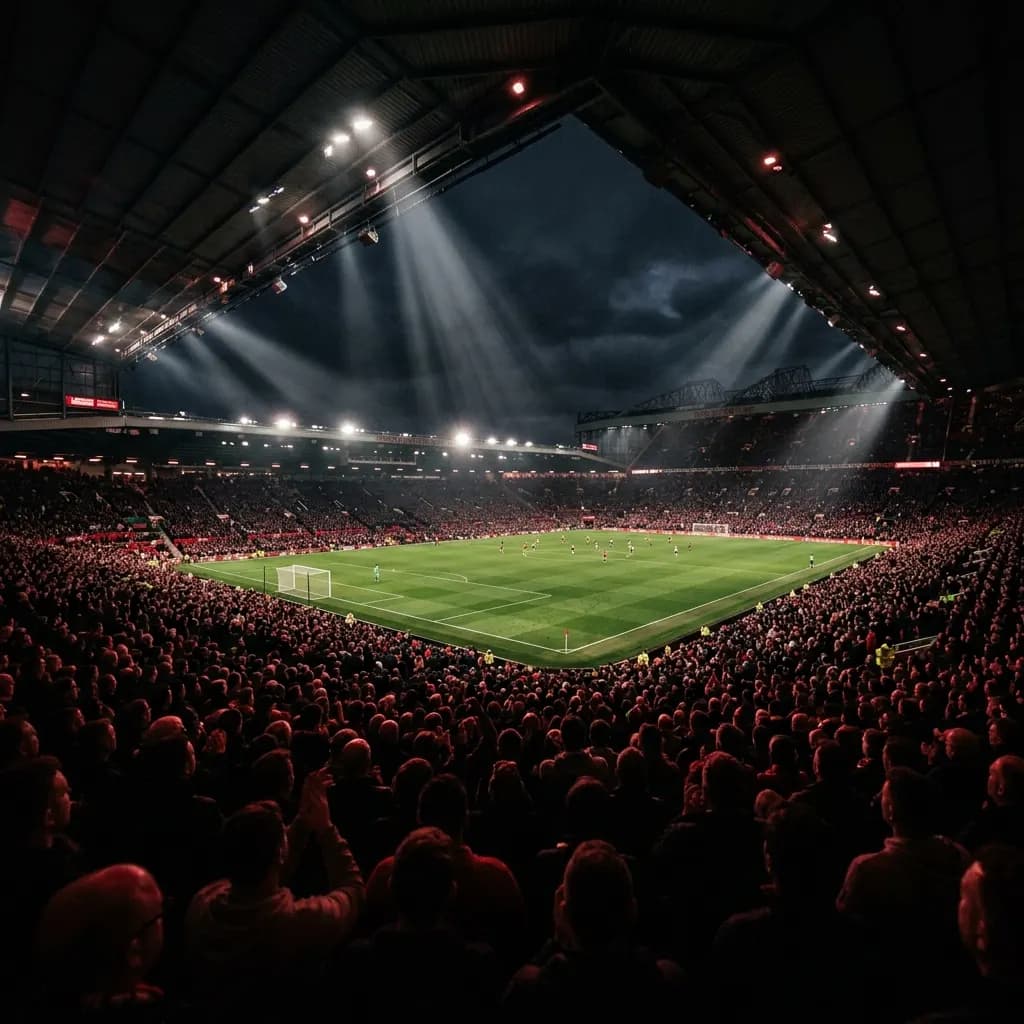
The atmosphere of the NFL Draft is unlike anything else in American sports, because it blends the tension of a sporting event with the festival energy of a downtown street takeover. Fans arrive in jerseys representing every franchise, often in groups, and the resulting visual is a moving mosaic of every team in the league sharing the same plaza at the same time. Each pick triggers a wave of reaction across the crowd. Some pockets erupt in cheers, others groan, others break into chants directed at their war room, and the contrast from selection to selection is part of the event's signature rhythm. Booing the commissioner has become a deliberate, almost affectionate ritual that fans approach with theatrical commitment, and the broadcast often leans into that moment. The host city itself contributes heavily, with local musicians, food vendors, and civic landmarks woven into the broadcast and the surrounding experience. Family moments in the green room shape the emotional register, because cameras capture prospects hugging parents, siblings, and coaches as their names are called, and those scenes ripple through the in-person crowd as much as through television. Late rounds carry a different energy, more relaxed, more knowledgeable, with diehards staying late to watch their team find a specialist or developmental project on Saturday afternoon. The combination of communal hope, civic pride, and shared anticipation makes the Draft feel like a town hall for the entire league, hosted under open spring skies.
Resale market
Resale dynamics for the NFL Draft are unusual because the league distributes main theater access primarily through free registration rather than a paid primary market. That structure pushes resale activity into a narrower lane focused on premium hospitality packages, official partner experiences, and access bundles that include perks such as photo opportunities, parking, or proximity seating. Demand on resale platforms is heaviest for opening night, with secondary interest concentrated on the second-round Friday session, and a thinner market for Saturday's later rounds. Pricing follows a familiar arc, with elevated levels in the early weeks after the host city announcement, a midseason cooling period, and a renewed surge as the event approaches and travel commitments solidify. Fans considering resale should verify that any listing references genuine league-sanctioned hospitality rather than a transfer of free registration credentials, because registrations are typically tied to individual identification and may not be transferable. The NFL Draft Experience fan campus does not generally carry a resale market because access is free, plentiful, and walk-up friendly, though specific reserved activations or meet-and-greets occasionally appear on partner platforms. Travel-adjacent resale also matters. Hotel rooms in the host city often appear on aggregator marketplaces in the weeks before the event, sometimes at premium pricing once official blocks have closed. Fans following their club throughout the season can use the team hubs on this site to monitor regular-season ticket availability, which often shifts in patterns linked to a club's draft activity and early summer roster outlook.
Broadcast & streaming
The NFL Draft is broadcast extensively across television and streaming, with multiple national outlets providing simultaneous coverage that fans can switch between depending on the analytical tone they prefer. The league's flagship network typically anchors the most polished version of the broadcast, while a major sports network offers a more analyst-driven, college-football-oriented presentation. Streaming options have expanded each year, with the broadcasts available through league-owned digital platforms, partner streaming services, and mobile applications that include picture-in-picture and bonus camera angles. International coverage is provided through league partner broadcasters around the world, with localized presentations now common in markets across Europe, Latin America, Asia-Pacific, and the league's growing footprint in the United Kingdom and Germany. Round one usually airs in U.S. prime time, with later rounds across Friday evening and Saturday afternoon. Beyond the live broadcasts, social platforms run real-time pick analysis, war-room cutaways, and prospect reaction content. Fans planning a watch party should check official platforms for streaming geography and time zone alignment in the days leading up to the event.