
NFL Pro Bowl Games Tickets
Format, history, venues, tickets and travel — the complete fan playbook
About the NFL Pro Bowl Games
The NFL Pro Bowl Games is the league's reimagined all-star showcase, a multi-day February event that replaced the traditional full-contact Pro Bowl exhibition with a flag football headline match and a slate of skills competitions. Introduced in 2023 after years of declining engagement with the old tackle format, the event gathers the season's top AFC and NFC players for a celebration that sits between the conference championships and Super Bowl week. It is part exhibition, part variety show, and part fan festival, and it gives supporters one final glimpse of the regular-season MVPs, breakout rookies, and veteran stars before the offseason begins.
Fans care because the Pro Bowl Games is one of the only times all year when the league's biggest names share a field without playoff stakes. Quarterbacks throw deep balls to receivers from rival teams, defenders trash-talk their division opponents in good humor, and rookies share warm-ups with future Hall of Famers. The skills competitions, captained by legendary coaches, lean into personality in a way the regular season rarely allows.
The scale is significant. The event spans several days of practices, skills events, and the flag football finale, drawing tens of thousands of attendees to the host city and millions of viewers across broadcast windows. Sponsor activations, youth football clinics, and community appearances fill the surrounding schedule, turning the Pro Bowl Games into a destination weekend rather than a single matchday. For ticket buyers, that means multiple entry points: a single all-access pass, individual skills tickets, or seats for the flag football centerpiece. It is the rare NFL event where the atmosphere is built around joy rather than tension, and demand has steadily grown as the new format finds its identity.
Format
The Pro Bowl Games is built around two pillars: a series of skills competitions held over several days, and a flag football game that serves as the climactic finale. Players are split into AFC and NFC squads, each captained by Hall of Fame coaches who handle lineups, play-calling, and the gentle showmanship the event demands. The competition structure awards points across each skills event, and those points carry into the overall conference scoreboard so every drill matters to the final result.
The skills competitions typically include events such as a precision passing challenge, a long-distance throwing contest, a relay race blending speed and ball-handling, a dodgeball-style game, a kicking accuracy contest, and a lineman-focused obstacle course. Each event is designed to highlight position-specific talent in a format television viewers can follow easily, with bracket-style or head-to-head segments adding light competitive tension. The drills are short, fast, and built for highlight reels.
The centerpiece flag football game is played 7-on-7 across a shortened field, generally 50 yards in length with end zones at each side. There is no rushing the quarterback within a set window, no tackling, and possessions usually run on a play clock that keeps the pace brisk. Touchdowns, two-point conversions, and special situational plays make up the scoring, and the rulebook is tuned to maximize big plays without the injury risk of tackle football.
Game length is condensed compared to a regular NFL contest, with two halves and a halftime show featuring music, fan activations, and youth flag football demonstrations. The combined points from the skills competitions and the flag football game produce a single winning conference, which lifts the Pro Bowl Games trophy. The format prioritizes entertainment, accessibility, and player safety while still crowning a champion the players themselves take seriously.
History
The Pro Bowl in some form has existed since 1951, originally staged as a tackle football exhibition at the end of the season. For decades it rotated between Honolulu and various mainland cities, becoming as much a vacation reward as a sporting event. By the 2010s, concerns about injury risk, declining player participation, and underwhelming television ratings prompted the league to experiment with rules, formats, and unconventional team selections. None of the tweaks solved the fundamental problem that no all-star wants to risk a serious injury in a meaningless game, and by 2022 the tackle version had run its course.
The debut of the Pro Bowl Games in 2023 marked the most significant reinvention in the event's history. The new flag football centerpiece was paired with skills competitions inspired by other sports' all-star weekends, and Hall of Fame coaches were brought in to add gravitas and storytelling. The format change was widely credited with reviving interest, with players speaking more openly about wanting to participate and television viewership stabilizing after years of decline.
Notable moments from the new era have included star quarterbacks lighting up the precision passing contest, defensive linemen showcasing surprising athletic versatility in obstacle events, and rookie selections trading reps with veterans they grew up watching. Long-distance throwing records have become a fan-favorite storyline, with arm-strength specialists treating the contest as a personal showcase. The dodgeball event in particular has produced viral highlights, blending genuine competition with the kind of personality that the regular season rarely allows to surface.
Qualitatively, the most enduring records of the Pro Bowl era are not statistical but cultural: the legacy coaches who have led conference squads, the multi-time selections who have become Pro Bowl Games regulars, and the host cities that have shaped the event's modern identity. As the new format matures, its history is still being written, and each February adds new moments to a tradition the NFL has worked hard to refresh without erasing.
How NFL Pro Bowl Games tickets work
Tickets for the NFL Pro Bowl Games typically go on sale in waves, beginning months before the event itself. The earliest access is usually reserved for season ticket holders of the host team, NFL loyalty program members, and select sponsor partners, who receive presale codes well before the general on-sale date. After those priority windows close, remaining inventory opens to the wider public, with multiple ticket types available depending on which portions of the event a fan wants to attend.
The ticketing structure generally includes single-day passes for the skills competitions and a separate ticket for the flag football game itself, along with multi-day or all-access packages that bundle everything together. Practices held during the week are often free or low-cost, designed to drive foot traffic and community engagement around the host stadium and surrounding venues. Suites, club seats, and premium hospitality areas are sold through the host team or league hospitality programs and tend to be the first inventory to disappear.
Demand depends heavily on the host market, the strength of the player selections, and whether the host city is a destination that fans are willing to travel to. Markets with strong local NFL fan bases and easy travel access typically see the flag football tickets sell quickly, while skills competition seats remain more readily available closer to the event. Family-friendly pricing is a stated league priority, and group tickets, youth packages, and military discounts are often part of the mix.
For fans planning ahead, the best approach is to join the host team's mailing list, set up alerts with the league's official ticketing channels, and watch for presale windows in November and December. Once general on-sale arrives, the team hubs on this site will surface available inventory across the official primary market and reputable resale channels, with seat-level views to help buyers choose between the action-heavy flag football game and the more relaxed skills atmosphere.
Venues
Venue selection for the Pro Bowl Games has become a strategic exercise for the league, balancing stadium capacity, climate, host-market enthusiasm, and the logistical demands of staging both skills competitions and a flag football finale. Modern NFL stadiums with retractable roofs, large concourses, and integrated training facilities are well suited to the multi-day format, and the league has shown a preference for venues that can host practices, skills events, and the main game without requiring fans to navigate multiple sites across a city.
Unlike the Super Bowl, which rotates among a small pool of pre-selected venues, the Pro Bowl Games has used a more flexible rotation since its reinvention. Recent editions have leaned on Allegiant Stadium in Las Vegas, with its central location, world-class hospitality infrastructure, and reputation as a destination market. Other modern venues with strong transit access, premium seating, and warm-weather appeal are natural candidates for future hosting opportunities, and the league has signaled openness to bidding cities making proposals.
The ideal Pro Bowl Games venue does more than seat fans for the flag football game. It also hosts the skills competitions earlier in the week, often on the main field or in adjacent practice facilities, and serves as the hub for fan activations, autograph sessions, and youth football clinics. Stadium districts that include nearby hotels, restaurants, and entertainment options enhance the multi-day experience and reduce travel friction for visiting fans.
Surrounding the venue, host cities typically build out a Pro Bowl Games village or fan zone, often near the stadium or a convention center. These activations are usually free to enter and offer interactive experiences, sponsor exhibits, and live entertainment that extend the event beyond the ticketed action. For fans planning a trip, choosing a hotel within walking distance or short transit access to the stadium district maximizes the weekend's value and minimizes time lost to traffic.
Travel planning
Planning travel to the Pro Bowl Games rewards early commitment, particularly when the event is hosted in a major destination market. Flights into the host city tend to fill quickly once the location is announced, with airfare rising sharply as the event approaches. Booking flights as soon as the host venue is confirmed, typically several months in advance, usually produces the best combination of price and schedule flexibility. Midweek arrivals can be cheaper than late-week ones, and pairing the trip with a weekend stay often unlocks better fare options.
Hotel inventory in the immediate stadium district is the most competitive, and fans who want walkable access to the venue should secure rooms as early as possible. Properties slightly further out, near transit lines or major freeways, generally offer better value and can still provide manageable game-day commutes. Many host cities introduce official accommodation partners and shuttle programs, which can simplify logistics for visitors unfamiliar with the area.
Ground transportation depends on the host market. In Las Vegas, ride-share, monorail, and short walks from Strip hotels are common, while other potential host cities may rely more heavily on dedicated event shuttles, transit lines, or pre-booked parking. Stadium parking sells out quickly and is best reserved in advance through official channels. For families, factoring in a rental car can make off-day excursions and skills competition trips more flexible.
The ideal trip length is three to four nights, allowing fans to attend at least one skills competition session, the flag football game, and one or two surrounding fan-zone activations. Building in a buffer day before the main event helps absorb travel delays and provides time to explore the host city. Travel insurance is worth considering, especially for international visitors, given the cost exposure of flights and premium ticket purchases.
Atmosphere
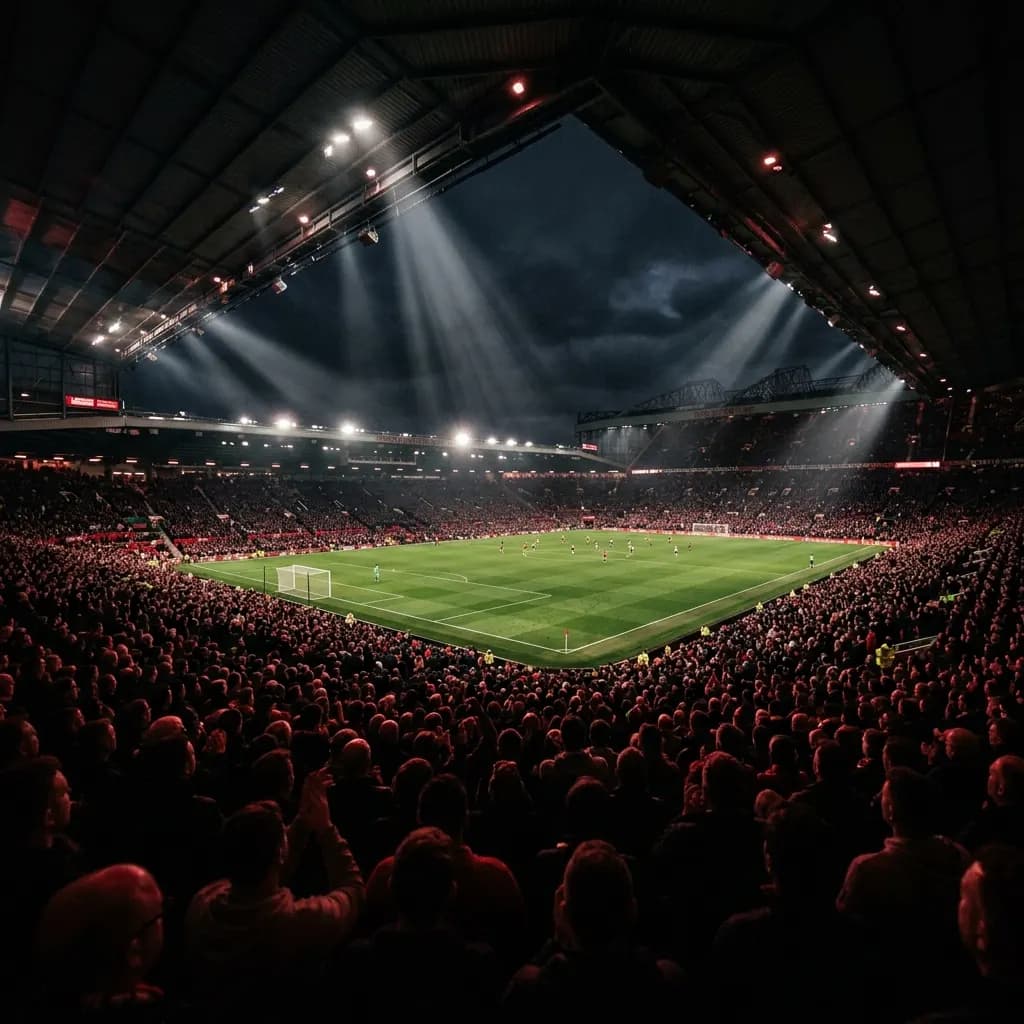
The matchday atmosphere at the Pro Bowl Games is intentionally different from a regular-season NFL game. The tone is celebratory rather than tense, with fans of all 32 teams mingling in jerseys representing every franchise. The flag football game itself feels closer to a backyard exhibition staged inside an NFL stadium, with players audibly communicating, sharing laughs across the line of scrimmage, and engaging with the crowd between plays.
Fan rituals have begun to take shape around the new format. Bringing flags and signs supporting specific players rather than teams is common, since allegiances are reshuffled along conference lines. Children attending with parents often arrive in their favorite player's jersey regardless of which conference is wearing what color, and the league leans into that family-friendly identity with kid-focused activations on the concourse.
Skills competition days have their own distinct feel. The atmosphere is more intimate, with fans closer to the action and players more accessible. Pregame and between-event downtime often includes player interactions with the crowd, autograph opportunities, and informal photo sessions that would never happen during the regular season. Music, on-field entertainment, and rapid-fire competition keep energy levels high without the emotional weight of a meaningful result.
Outside the stadium, the host city itself adds to the experience. Bars, restaurants, and watch parties fill with traveling fans, and Pro Bowl Games week often overlaps with other entertainment programming in the host market. The result is a weekend that feels less like a championship and more like a football convention, with the flag football game serving as its signature centerpiece.
Resale market
The resale market for the Pro Bowl Games behaves differently from regular-season NFL games and from the Super Bowl. Demand is steadier and less volatile because the event is an exhibition rather than a playoff fixture, and there are typically no last-minute storylines that send prices spiking in the final 48 hours. That stability tends to favor patient buyers who are willing to wait closer to the event to find favorable resale listings.
Prices on the resale market are most often shaped by the host market, the strength of the player selections, and how the host team's season ended. Markets with limited local NFL passion may see resale inventory linger, while destination cities with strong travel appeal see firmer pricing throughout the cycle. Seats with clear views of the flag football end zones, where most scoring action concentrates, often command premiums relative to seats on the long sides of the shortened field.
Skills competition tickets generally have a softer resale market than the flag football game itself, which makes those days an attractive value play for fans who care most about player access rather than scoreboard drama. Multi-day passes occasionally appear on resale platforms when original buyers cannot attend the full schedule, and these can offer strong value for fans willing to commit to the entire weekend.
For fans evaluating resale options, the team hubs on this site aggregate listings from reputable secondary marketplaces, with seat-level filters, price-trend indicators, and verified seller protections. Tracking price movement in the final two weeks before the event is the most reliable way to time a purchase, and being flexible on exact seat location often unlocks the best value.
Broadcast & streaming
Broadcast coverage of the Pro Bowl Games spans multiple windows across the week, with skills competitions and the flag football finale typically aired on major NFL broadcast partners. The skills events are often packaged into one or two prime-time windows, edited for pace and personality, while the flag football game itself receives a dedicated Sunday afternoon broadcast slot positioned between the conference championships and the Super Bowl.
Streaming access has expanded significantly under the new format. The league's official streaming platform carries the full event, including bonus angles, player microphones, and behind-the-scenes content not available on linear television. National sports networks also provide highlights, recap shows, and dedicated Pro Bowl Games programming throughout the week, with player interviews and skills competition profiles filling out the coverage.
Internationally, the event reaches viewers through the NFL's global broadcast partners and the league's worldwide streaming service. Time-shifted broadcasts and on-demand replays make the games accessible across time zones, which has helped grow the event's audience beyond North America. For fans who cannot attend in person, the broadcast experience is built around personality and access, leaning into the relaxed format with extensive sideline reporting and player conversations.