
NHL All-Star Game Tickets
Format, history, venues, tickets and travel — the complete fan playbook
About the NHL All-Star Game
The NHL All-Star Game is the league's annual midseason showcase, a celebration of the sport's most electric talents that turns one host city into the center of the hockey universe for a long winter weekend. Held each February during a scheduled break in the regular season, the event gathers the league's leading scorers, defensive anchors, breakout rookies, and goaltenders for a series of exhibitions designed to entertain rather than decide standings. Unlike the grind of a divisional road trip or the tension of a playoff series, the All-Star weekend leans into spectacle, creativity, and personality, giving fans a rare chance to see superstars laughing on the same bench. The scale is significant. Tens of thousands of fans pack the host arena across multiple sessions, while millions more watch on television in North America and abroad, and the host market benefits from a major influx of visitors, media, and sponsors. For families, the weekend doubles as a hockey festival, with fan zones, autograph sessions, and youth clinics layered around the headline events. For longtime supporters, it is a chance to compare eras, debate snubs, and watch their favorite player share the ice with rivals they normally only face for sixty hostile minutes. The All-Star Game has evolved over decades, swapping conference battles for division-based mini-tournaments and adding new skills challenges to keep the format fresh. What has not changed is the central appeal. It remains a stage where the sport's stars take risks they would never attempt in a tight playoff race, attempting between-the-legs passes, no-look shootout attempts, and end-to-end rushes that double as highlight reels for years.
Format
The modern NHL All-Star Game is built around a 3-on-3 mini-tournament rather than a traditional full-length exhibition, a structure introduced to spotlight skill, speed, and end-to-end action. Four teams, generally aligned with the league's four divisions, square off in short games played on the host arena's ice, with the winners of the opening round advancing to a championship matchup. Each game runs a fraction of the length of a standard regulation contest, which keeps the pace relentless and rewards creative puck movement over defensive systems. Rosters are filled through a combination of fan voting, player input, and league selections, ensuring that the marquee names join a balanced mix of representatives from every club. Captains and coaches are typically announced in the weeks leading up to the weekend, often drawing on host-market stars or future Hall of Famers as honorary leaders. The weekend opens with a separate Skills Competition the night before the main event, featuring challenges that test speed, accuracy, hardest shot, stick handling, and goaltending reflexes, plus rotating novelty events designed to surprise the audience. Points and prize pools are attached to both the Skills Competition and the tournament itself, giving the participants a tangible incentive to compete rather than coast. Between rounds, fans are treated to on-ice ceremonies, musical performances, and tributes to legends, league milestones, and host-market history. While the format has shifted over the years, the league has settled on this compact, high-tempo blueprint because it produces clear winners, fits cleanly into a primetime broadcast window, and gives every team in the bracket a real chance at the title. Substitutions are frequent, scoring tends to be high, and goaltenders are encouraged to play with personality, all of which makes the event feel distinct from anything else on the calendar.
History
The NHL All-Star Game traces its roots back to mid-twentieth-century exhibitions originally staged to honor players, raise funds for pension causes, and celebrate Stanley Cup champions, before evolving into the standalone midseason event fans know today. For decades, the contest pitted the previous season's champion against a team of stars from the rest of the league, a tradition that produced memorable matchups and established the game as a fixture of the hockey calendar. Eventually the format shifted to conference-based showdowns, then to a captain-led draft system that turned roster selection itself into appointment viewing, and finally to the current divisional mini-tournament. Throughout each era, certain names have come to define the spectacle. Wayne Gretzky's repeated MVP performances and his hat tricks on the All-Star stage cemented his reputation as a player who could elevate any moment, while Mario Lemieux's powerful skating and stick work delivered some of the most replayed sequences in the event's history. Goaltenders like Patrick Roy, Martin Brodeur, and more recently a generation of star netminders have used the game as a showcase for personality and athleticism, embracing the high-scoring environment with humor and theatrics. Skills Competition records, particularly in hardest shot and fastest skater, have become cultural reference points within the sport, with Zdeno Chara's slap-shot mark and a long line of speed-skating champions etched into the record book. The event has also served as a stage for league milestones, including ceremonies honoring retiring legends, tributes to franchise icons in their home arenas, and emotional appearances by Hall of Famers from earlier eras. Special edition jerseys, mascot showdowns, and celebrity guest moments have all added color over the years. While individual statistics from the games are largely treated as a footnote, the qualitative memory of the All-Star weekend, the personalities, the gestures, and the highlights, is what fans return to year after year.
How NHL All-Star Game tickets work
Tickets for the NHL All-Star weekend operate on a layered release calendar that rewards planning and early action. After the league formally announces the host city and dates, typically a year or more in advance, the first wave of access is generally tied to the host club, including season-ticket holders, premium-seat members, and partner programs that receive priority windows before the broader public. Sponsor allocations, league partner programs, and player-family holds also account for a meaningful share of inventory, which is part of why face-value availability can feel tight from the moment a general onsale opens. Public sale phases usually follow in stages, sometimes split between Skills Competition tickets, individual game-day passes, and weekend packages that bundle both nights together. Many fans choose package options when available because they guarantee access to every headline session under one transaction. Demand for the All-Star Game tends to be intense regardless of host market, since it draws traveling fans from across the league's footprint rather than relying solely on the local base. Markets with strong tourism appeal often see particularly fast sellouts, while smaller markets benefit from passionate local audiences eager to host a marquee event. For fans without access to a presale, the secondary market typically becomes the primary path to a seat once the official allocations clear, with availability and pricing shifting as the date approaches and travel plans firm up. Buyers should watch for the dual surge of demand around the all-star roster reveal and the final week before puck drop, when both casual fans and last-minute travelers compete for the same inventory. For team-specific routes into the broader NHL schedule, fans can use the team hubs on this site to browse upcoming games and plan around the All-Star break.
Venues
The NHL rotates the All-Star Game among its member clubs, with each franchise eligible to host its home arena based on a mix of factors including building readiness, market interest, league anniversaries, and recent expansion or relocation milestones. Newer arenas tend to enter the rotation quickly after opening because they offer the modern broadcast infrastructure, premium hospitality areas, and sponsor-activation footprints the league wants for a showcase event. Traditional hockey markets with deep history are regularly considered as well, since they bring a built-in audience and a sense of occasion that resonates on television. Selection announcements typically come a year or more in advance, giving the host club, the host city, and traveling fans time to coordinate logistics, hotel blocks, and surrounding fan-festival programming. Recent host venues have spanned a wide geographic range, including major U.S. markets in the Northeast, Midwest, Sun Belt, and Pacific regions, as well as Canadian cities that bring a particularly devoted hockey culture to the weekend. The league often pairs the choice of venue with a broader storyline, such as celebrating a franchise anniversary, honoring a retiring legend, or showcasing a market that recently joined the league. Arena capacity matters, but so does the surrounding district, since the All-Star weekend leans heavily on walkable hotels, public transit access, and outdoor fan zones for additional programming. Some host venues have effectively turned their downtown cores into multi-day festivals built around the headline event. For fans planning attendance, knowing the host venue early is essential. It dictates everything from neighborhood choice to driving routes, and it usually signals which surrounding bars, restaurants, and team-store experiences will host the most active pregame and postgame crowds across the weekend.
Travel planning
Planning travel for the NHL All-Star weekend is best treated like planning for a major championship event rather than a regular-season trip. Flights into the host city tend to climb in price as the date approaches, particularly out of major league markets, so booking shortly after the host site is confirmed often produces the most flexibility. For domestic travelers, midweek arrivals before the Saturday Skills Competition usually offer better fares than tight Friday-to-Sunday turnarounds. International fans, especially those flying from Canada, the United Kingdom, Ireland, Germany, or Australia, should build in extra time on either side to absorb time-zone adjustment and any winter weather risk. Hotels closest to the arena and downtown core sell out earliest, including official league partner properties used for player and media housing. Fans who miss the first wave often find better availability and value by widening the search to neighborhoods one or two transit stops away, which can also reduce traffic friction on event nights. Renting a car is typically optional in walkable host markets but useful in metros where the arena sits outside the downtown grid. Public transit and rideshare networks tend to extend service hours around the All-Star weekend, and host cities frequently publish event-specific travel guides closer to the date. Weather is an important variable. February in many host markets means cold temperatures, snow risk, and the possibility of flight disruption, so travelers should pack appropriately and consider trip protection. For families, building in time for fan festivals, museum visits, and casual practice viewings can turn the trip into a multi-day vacation rather than a single-game excursion. Coordinating travel with a specific team's broader road schedule is also worthwhile, and the team hubs on this site can help align an All-Star trip with surrounding games.
Atmosphere
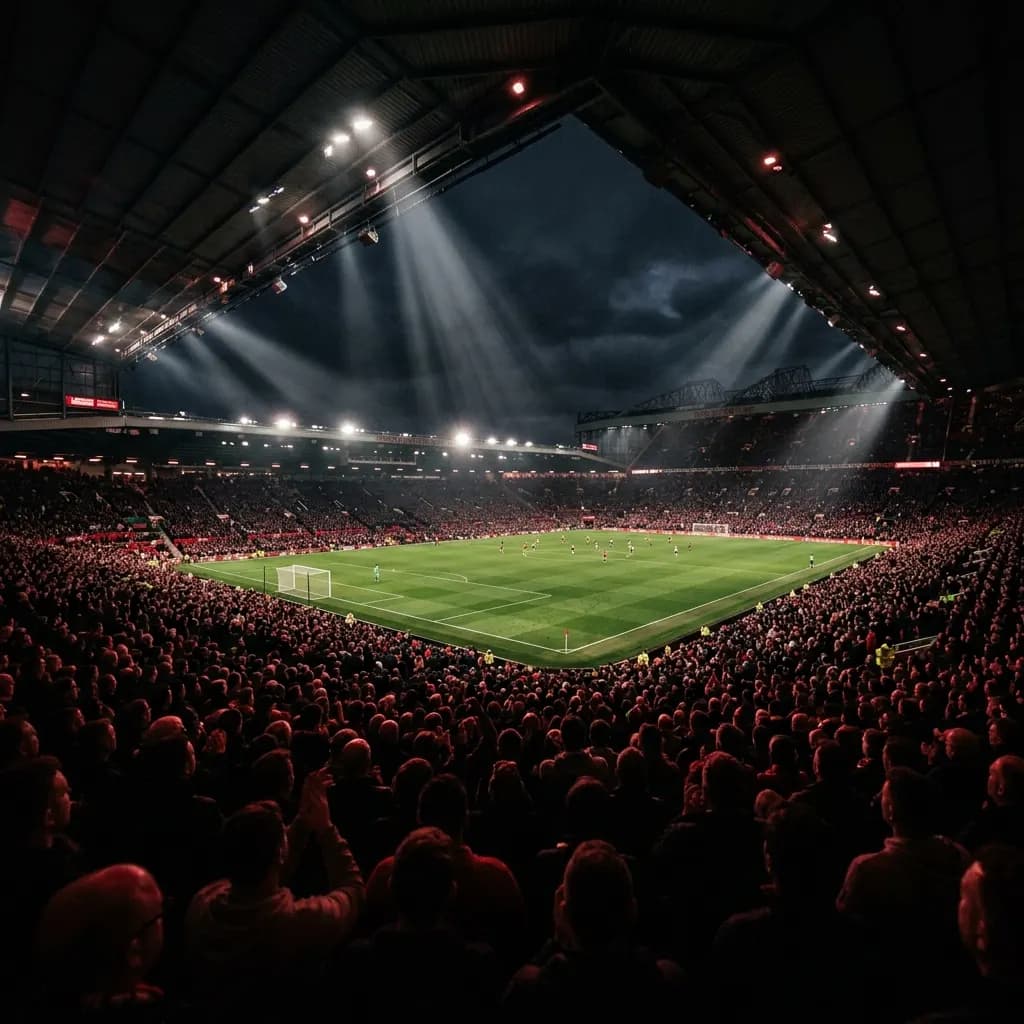
The atmosphere around an NHL All-Star weekend is distinct from any regular-season night and closer in spirit to a hockey convention than a single game. Inside the arena, the crowd is a patchwork of jerseys from every franchise, with fans wearing the colors of their home team, the host club, and individual stars who may have been claimed by their city only for the weekend. Cheers spike for hometown players, friendly boos roll out for cross-rival favorites, and the building responds to spectacular plays regardless of which side scores. The Skills Competition night carries a relaxed, almost variety-show energy, with light shows, music cues, and on-ice mic moments that let players show their personalities. The tournament night sharpens slightly, but it still leans into entertainment, including elaborate player introductions, mascot appearances, and tributes to league legends. Outside the arena, host cities typically activate fan zones, autograph stages, youth clinics, and pop-up team stores that turn the surrounding district into a festival. Bars and restaurants near the venue fill early, and impromptu meetups between fans of different teams are part of the experience. For many travelers, exchanging jerseys and stories with strangers becomes a defining memory of the weekend. The hospitality areas inside the building are unusually busy, with sponsor activations, alumni appearances, and on-site media adding to the buzz between sessions. By the time the championship game ends, the overall mood resembles a winter celebration of the sport itself rather than a single competitive result.
Resale market
The resale market for the NHL All-Star Game tends to be one of the most active of any regular-calendar hockey event because supply is fixed by a single host arena and demand pulls from the entire league's fan base. Once official onsale phases close, secondary inventory generally becomes the main route to a seat, with pricing fluctuating based on host market, host-club identity, and the marquee names confirmed for the weekend. Markets with strong tourism appeal and limited arena capacity often command the firmest resale pricing, while larger venues in major metros can offer more flexibility, particularly for upper-bowl seats. Buyers tend to see two distinct demand waves. The first comes shortly after the all-star roster announcement, when fans of suddenly-included stars rush to lock in plans. The second arrives in the final week before puck drop, when travelers finalize itineraries and casual buyers make last-minute decisions. In between those waves, patient shoppers sometimes find softer pricing, though that window is unpredictable. Bundle listings that combine the Skills Competition and the tournament can offer better per-session value than buying separate single-night seats, particularly for fans planning to attend both. Lower-bowl center-ice seats are usually the firmest segment of the market, while end zones and upper-level inventory tend to fluctuate more. Verified resale through trusted platforms is the safest path for buyers, since the All-Star weekend draws unfamiliar buyers and sellers into the market and increases the risk of low-quality listings. For fans coordinating broader trip plans, watching team hubs on this site for surrounding regular-season games can add value to the journey.
Broadcast & streaming
Broadcast coverage of the NHL All-Star weekend is built around a primetime window designed to reach the widest possible North American audience, with national rights holders in the United States and Canada carrying both the Skills Competition and the tournament across linear television and streaming platforms. Pregame, intermission, and postgame programming typically include analyst panels, player features, and behind-the-scenes content that build context around the rosters and host city. International viewers can usually access the event through the league's global streaming product, with local rights partners in markets such as the United Kingdom, Ireland, Germany, and Australia carrying additional coverage subject to regional licensing. Radio coverage and league-produced audio streams round out the options for fans who prefer to listen during travel. Highlight packages drop quickly through official league channels after each session, including standout goals, Skills Competition moments, and on-ice interviews. For fans tracking individual players, social-first content from the league and participating clubs tends to surface throughout the weekend, capturing tunnel arrivals, locker-room reactions, and lighter behind-the-scenes moments not always seen on the main broadcast.