
Stanley Cup Final Tickets
Format, history, venues, tickets and travel — the complete fan playbook
About the Stanley Cup Final
The Stanley Cup Final is the championship round of the National Hockey League and one of the oldest and most revered trophies in professional sport. Contested each June between the champions of the Eastern and Western Conferences, the series decides which franchise hoists the Stanley Cup, a trophy first awarded in 1893 and continuously contested by NHL teams since 1926. For hockey fans, no moment matches the image of a captain raising the silver chalice above his head at center ice, surrounded by teammates who have spent two months and roughly two dozen playoff games to reach that instant.
The scale of the event is enormous. The Stanley Cup Final draws sellout crowds in two markets simultaneously, fills surrounding bars and watch parties across North America, and pulls in casual viewers who otherwise follow hockey loosely during the regular season. Cities transform when their team reaches the Final: jerseys appear in office buildings, downtown plazas host outdoor viewing, and businesses tailor specials to game nights. International interest is significant as well, given the league's deep rosters of Canadian, American, Scandinavian, and Central European players, each of whom carries a national following.
Fans care because the Final is the culmination of an unforgiving postseason. Reaching it requires winning three best-of-seven series before the championship round even begins, an attritional gauntlet measured in bruises, overtime games, and travel. By the time two teams meet for the Cup, both have been tested by injury, fatigue, and the relentless pace of playoff hockey. That context turns each Final game into a referendum on resilience, depth, and goaltending, and it is why the series consistently ranks among the most-watched and most-discussed events on the sports calendar each spring.
Format
The Stanley Cup Final is a best-of-seven series, meaning the first team to win four games claims the championship. Games are spaced out to allow for travel and recovery, typically following a pattern of two games in the higher-seeded team's arena, two in the lower-seeded team's arena, and then alternating until a winner is decided. A sweep ends the series in four games, while a full seven-game Final stretches across nearly two weeks of competition.
Home-ice advantage in the Final is awarded to the team with the better regular-season points total, regardless of conference. That team hosts Games 1, 2, 5 (if necessary), and 7 (if necessary), while the opponent hosts Games 3, 4, and 6 (if necessary). Off days between games allow for cross-country flights, especially when the two finalists are based in distant markets. The schedule is published only after both Conference Finals conclude, since the league must confirm both participants before locking in dates.
Game format follows standard NHL rules: three 20-minute periods of regulation play. If the score is tied after 60 minutes, play continues into sudden-death overtime, with 20-minute periods running back-to-back until a goal is scored. Playoff overtime does not switch to a shootout, which means games can extend deep into the night, and Stanley Cup Final overtime games are among the most dramatic moments in the sport.
Rosters are limited to active players who have met playoff eligibility criteria. Coaches manage line changes carefully through the long series, balancing fatigue against matchup preferences. The Conn Smythe Trophy, awarded to the most valuable player of the entire playoffs, is presented immediately after Game 7 (or the series-clinching game), followed by the Stanley Cup presentation on the ice of the winning building.
History
The Stanley Cup is the oldest trophy contested by professional athletes in North America, predating the NHL itself. Originally donated by Lord Stanley of Preston, then Governor General of Canada, it has been awarded almost every year since the late nineteenth century, with rare exceptions for war and labor stoppage. The names of every player, coach, and staff member on each winning team are engraved on the Cup's bands, creating a living record of hockey history that travels with the trophy itself.
Certain franchises have defined eras of the Final. The Montreal Canadiens collected the most championships of any team, with dynasties that dominated multiple decades. The original six Detroit, Toronto, Boston, Chicago, and New York Rangers franchises trace their lineages back to the league's earliest seasons, and each carries deep Final histories. Expansion-era dynasties followed: the Edmonton Oilers of the 1980s, the New York Islanders before them, and later runs by Pittsburgh, Detroit, New Jersey, Chicago, Los Angeles, and Tampa Bay shaped how modern hockey is remembered.
Individual moments echo through the sport. Overtime winners on the road, goaltenders carrying undermanned teams through long series, captains playing through severe injury, and rookies emerging as Conn Smythe winners are all part of Stanley Cup Final lore. The tradition of skating the Cup around the ice after winning, then handing it from teammate to teammate, dates back generations and remains one of the most recognizable rituals in sports.
The Cup itself has its own traveling story. Each player on the winning team is granted a personal day with the trophy during the offseason, taking it to hometowns, hospitals, weddings, and remote villages. Photographs of the Cup in unusual locations are a beloved annual tradition. That cultural footprint, combined with the championship's competitive weight, gives the Stanley Cup Final a layered history few championships in any sport can match.
How Stanley Cup Final tickets work
Stanley Cup Final tickets move through several distinct phases, and understanding that timeline is essential for fans hoping to attend. Because the two finalists are not confirmed until the Conference Finals conclude, the broad public on-sale typically happens with only a few days of lead time before Game 1. Season-ticket holders of the two participating teams generally receive the first allocation, often through a playoff package they purchased earlier in the postseason that locks in their seats for any home games their club plays in the Final.
Beyond season-ticket access, smaller blocks are distributed through team-controlled channels, league partners, corporate sponsors, and player-family allocations. These sources mean the volume of seats reaching the broad public sale is typically modest, and demand routinely outpaces supply by a wide margin. Fans who do reach a public on-sale should be prepared for high traffic, queue systems, and the possibility that home games sell out within minutes of going live.
Demand patterns vary by game within the series. Game 1 and any potential Game 7 are usually the most sought-after, as the opener carries the buzz of the championship round beginning and a deciding game carries the certainty of a Cup presentation on the ice. Weekend games tend to draw heavier demand than weeknights, and the home building of the lower-seeded team is often slightly easier to access than the higher-seeded team's arena, though both sell out.
For fans planning to attend, the team hubs on this site list available inventory for both Final participants as it becomes available, including any games still on sale. Pricing varies dramatically by section, sightline, and game number within the series, and fans should be ready to act quickly once inventory appears. Patience and flexibility on game choice often produce the best outcomes, particularly for fans willing to travel to the road building rather than the home arena.
Venues
The Stanley Cup Final is hosted by the two participating teams in their home arenas, not at a neutral site. This means the venues change every year and are unknown until the Conference Finals are decided. Each arena hosts up to four games of the seven-game series, depending on how the schedule rotates and how many games are needed to determine a champion.
NHL arenas vary considerably in capacity and character. Most current Final-eligible buildings seat between roughly 17,000 and 20,000 fans for hockey, with some configurations expanding for premium playoff demand. Older buildings carry historical weight from decades of Final memories, while newer arenas offer modern amenities, expanded concourses, and improved sightlines. Whichever pair of buildings hosts the Final, both will be packed to the rafters and surrounded by overflow crowds in adjacent plazas.
Venue selection is not influenced by neutral considerations, weather, or league discretion. The two finalists host on their home ice, period. The only variable is which team has home-ice advantage, determined by regular-season points totals. That team hosts the additional game in the rotation if the series goes long, giving the home crowd a potential decisive Game 7.
For fans planning travel, the location of the two host cities matters significantly. A Final between two East Coast teams reduces travel between road games, while a coast-to-coast Final involves long flights for fans following the series. Some host cities have multiple downtown hotels within walking distance of the arena, while others rely more heavily on transit or ride-share access. The team hubs on this site provide venue-specific context for each participating arena, including neighborhood details, transportation notes, and surrounding entertainment districts. Fans buying tickets should confirm exact arena names, addresses, and entry policies before traveling, as security and bag policies tighten during the Final.
Travel planning
Stanley Cup Final travel planning is uniquely difficult because fans do not know the host cities until the Conference Finals end, leaving roughly a week between confirmation and Game 1. That compressed window means hotel rates in both participating cities rise sharply once the matchup is set, and direct flights between the two markets fill quickly. Fans who are confident their team will reach the Final sometimes book refundable hotels in candidate opponent cities during the Conference Final round and cancel the unused booking, though that approach involves financial risk.
Hotels in the immediate arena district typically command the highest premiums during Final games. Fans willing to stay in adjacent neighborhoods or near transit lines often find more reasonable rates and shorter walks than they expect. Booking through chains that offer flexible cancellation is recommended, since travel plans can change quickly if the series ends in fewer than seven games or if a fan's purchasing window for tickets shifts.
Flights into Final host cities surge in price as soon as the matchup is confirmed. Fans flying for a specific game should be aware that mid-week games often have lower fares than weekend games, that nearby secondary airports can offer cheaper routes than the primary hub, and that flexible return tickets allow for staying an extra night if a game runs long into overtime. Ground transportation in arena districts is typically heavy, and ride-share surge pricing around game time is significant.
Fans planning to attend multiple games in both host cities should map out the schedule carefully and consider connecting flights rather than direct routes if cost is a factor. The team hubs on this site provide context on each city's airport, transit network, and surrounding accommodations once the Final participants are known. As a general rule, the earlier in the postseason a fan begins monitoring travel options, the better positioned they are once their team advances.
Atmosphere
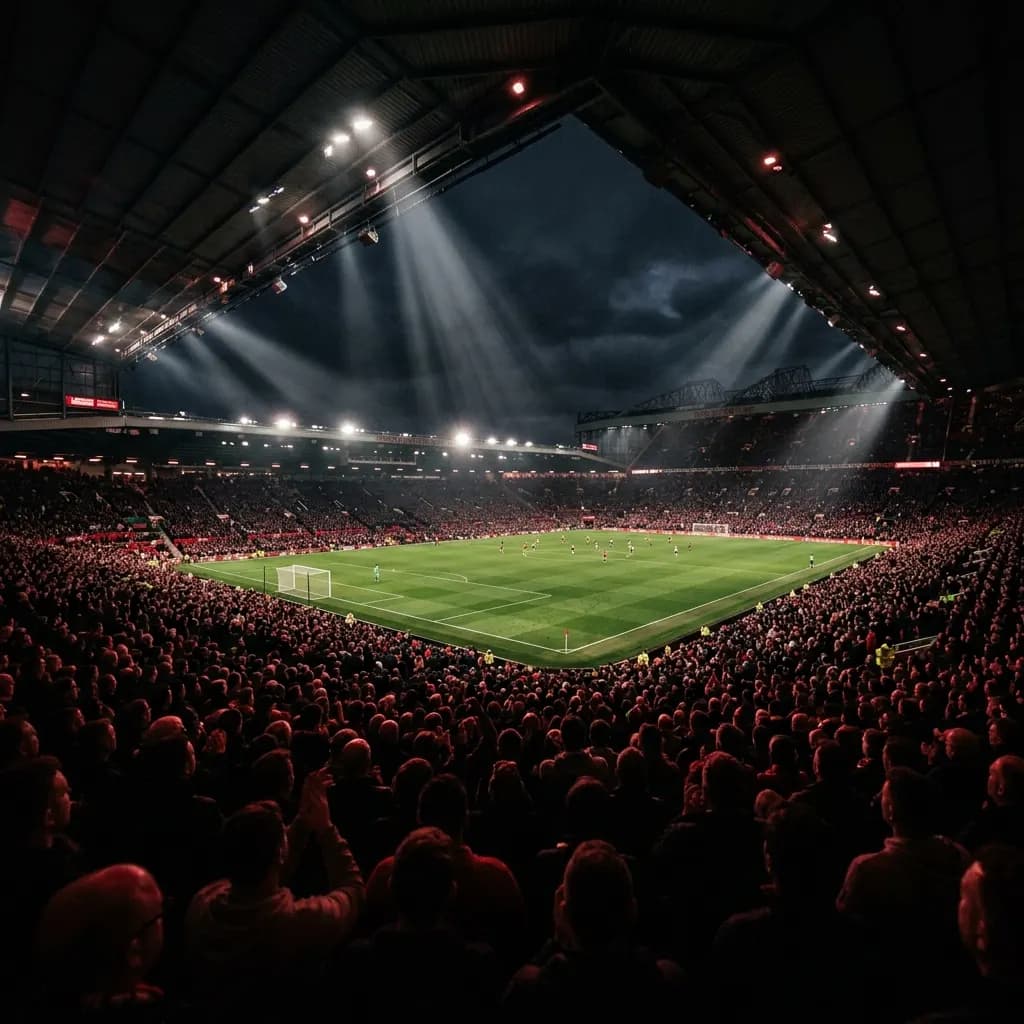
A Stanley Cup Final game is unlike anything else in the sport. Hours before puck drop, fans pack the surrounding plazas and bars, many wearing jerseys and waving towels handed out at the arena. Outdoor watch parties form alongside official team broadcasts, and entire downtown blocks take on the energy of a festival. The pregame buzz is part celebration, part nervous anticipation, especially in cities ending long championship droughts.
Inside the building, the atmosphere is unrelenting. National anthems are sung with intensity by capacity crowds, often with fans matching the singer line for line. Goal celebrations carry the weight of months of postseason effort, and arenas remain on their feet through tight late-game situations. Lighting effects, music cues, and team-specific rituals from rally towels to specific chants amplify every shift change and faceoff.
Traditions vary by team and city. Some markets are known for throwing items onto the ice after the first home goal of the playoffs, others for specific song traditions during stoppages, and others for organized chants that carry decades of history. Visiting fans are typically present in meaningful numbers but rarely dominate the building, since most tickets go to the home market's season-ticket base.
The atmosphere shifts noticeably in late stages of a potential clinching game. The arena grows quieter when the home team trails, louder when momentum tilts back, and electric when a goal would push the visiting team within reach of the Cup. For fans attending in person, the matchday is best treated as an all-day experience, with hours before the game spent in the surrounding district and time afterward to absorb the result, win or lose.
Resale market
Resale activity for the Stanley Cup Final is among the most intense in the sport, driven by limited primary supply and short notice between matchup confirmation and Game 1. Prices on the resale market swing quickly in response to series momentum, game importance, and the perceived likelihood that the series reaches a particular game. A Game 6 listed at one price the morning of Game 5 may shift sharply by that evening depending on the Game 5 result.
Games that could clinch the Cup carry the heaviest resale demand. A potential Game 7 commands premium pricing across every section, while a Game 6 with the home team trailing in the series often runs higher than a Game 6 with the road team trailing. Games early in the series carry strong demand as well, particularly Game 1, but tend to be slightly more accessible than late-series stakes games.
Resale pricing varies by seat location more dramatically than during the regular season. Lower-bowl center-ice sections command large premiums, while upper-bowl corners often offer more accessible options for fans who prioritize being in the building over sightline. Standing-room and last-row inventory occasionally appears in the hours before puck drop.
Fans buying resale should confirm that tickets are mobile-transferable in line with arena policies, that section and row match what was paid for, and that delivery happens well before the game's scheduled start. Some fans monitor resale across multiple potential matchups during the Conference Finals to track pricing trends. The team hubs on this site list available resale inventory for both Final participants once the matchup is confirmed, with sortable filters by game, section, and price range to help fans navigate a fast-moving market.
Broadcast & streaming
Stanley Cup Final games are broadcast on the league's national television partners in the United States and Canada, with full coverage of every game in the series. In the United States, the Final airs on a single primary network throughout the series, ensuring consistent viewing windows for fans following the matchup. Canadian coverage runs through the league's longstanding national broadcast partner, with French-language coverage available through a separate national feed for audiences in Quebec and beyond.
International broadcast varies by market, with rights distributed across regional partners in Europe, where hockey audiences are strongest in Scandinavia, the Czech Republic, Slovakia, Germany, and parts of Eastern Europe. Streaming options accompany the linear broadcast in most major markets, typically through the broadcaster's own digital platform or through the league's official streaming service. Local blackout rules generally do not apply to Final games, since national rights take precedence.
Start times are scheduled for prime-time viewing on the host city's coast, typically early evening Eastern in the United States. Overtime games can extend coverage well past midnight in Eastern time zones. Fans should confirm broadcast details for their region as the Final approaches, since rights structures shift periodically across multi-year league deals.