
World Series Tickets
Format, history, venues, tickets and travel — the complete fan playbook
About the World Series
The World Series is the championship round of Major League Baseball, a best-of-seven showdown between the American League and National League pennant winners that closes out a season nearly seven months in the making. It is the oldest continuously running championship in American professional team sports, dating back to 1903, and it remains the moment when casual viewers and lifelong fans converge on the same television set, ballpark, or sports bar. For most franchises, reaching the Fall Classic is the organizing principle of the entire calendar, the benchmark by which front offices, managers, and players ultimately measure themselves. The series typically begins in the final week of October and stretches into the first days of November, a window that gives it the nickname the Fall Classic and a distinctive late-autumn atmosphere unlike any other event in the sport. Two cities effectively shut down around the games, with workplaces shifting schedules, schools planning around late innings, and downtown bars filling hours before first pitch. The scale of the event is immense, drawing a global broadcast audience, traveling media that rivals the Super Bowl in size, and a ticket demand that consistently outstrips supply by orders of magnitude. Even neutral fans tune in for the pageantry, the managerial chess matches, and the chance to see careers defined in a single at-bat or pitch. Rosters get tested across starters, relievers, and bench bats, and small details such as bullpen usage, pinch-hit decisions, and weather can decide the outcome. Whether the matchup pits two historic franchises against each other or features a Cinderella underdog, the World Series annually delivers the highest-stakes baseball on the calendar and crowns a champion that earns the right to hoist the Commissioner's Trophy in front of a worldwide audience.
Format
The World Series is contested as a best-of-seven series, meaning the first team to win four games claims the championship and the season ends immediately upon that fourth victory. Both clubs arrive through the postseason bracket after navigating the Wild Card round, the Division Series, and the League Championship Series, so the teams that meet in the Fall Classic have already survived three earlier rounds of elimination baseball. The American League pennant winner faces the National League pennant winner, and games are scheduled with built-in travel days to allow each club to rotate its starting rotation and move equipment between cities. The standard format follows a 2-3-2 pattern, with the first two games and, if necessary, the final two games held at the home park of the team with home-field advantage, and the middle three games hosted by the opponent. Home-field advantage is determined by the regular-season records of the two participants, a system adopted to reward consistency over a 162-game schedule. Each game uses the designated hitter in both ballparks under the universal DH rule, removing the older split where pitchers had to bat in National League parks. Games are typically played on consecutive nights with a single travel day inserted between Games 2 and 3, and again between Games 5 and 6 when those contests are required. If the series is decided in a sweep, it can end as early as Game 4; if it goes the distance, Game 7 becomes one of the most-watched single events in American sports. There is no time limit on any game, and extra innings continue until a winner emerges, which has historically produced some of the most memorable late-night finishes in the sport's history. The series MVP is selected by a media panel and announced moments after the final out.
History
World Series history is essentially the history of Major League Baseball itself, with the inaugural edition contested in 1903 between Boston and Pittsburgh and an unbroken run of championships ever since, save for a 1904 cancellation and a 1994 strike year. The New York Yankees have appeared in and won more World Series than any other franchise, building dynasties across multiple eras and turning pinstripes into shorthand for postseason excellence. The St. Louis Cardinals stand as the National League's most decorated club, while the Oakland and Philadelphia branches of the Athletics, the Boston Red Sox, the Los Angeles Dodgers, and the San Francisco Giants all carry deep championship lineages. The mid-twentieth century produced legendary Yankees teams that strung together pennants almost annually, while the late 1970s saw a Reds club dubbed the Big Red Machine cement its place among the most complete lineups ever assembled. The 2000s and 2010s broke several long-standing championship droughts, including a Boston run that ended decades of frustration and a Chicago Cubs title that ended the longest wait in the sport. Individual moments resonate across generations: walk-off home runs by limping veterans, rookie pitchers throwing complete games on short rest, defensive plays that reframed a series, and managerial decisions that became case studies in dugout strategy. Pitchers have authored complete-game gems on the biggest stage, and several have started and finished the same elimination contest. Position players have hit for the cycle, recorded multi-homer Game 7s, and turned unassisted plays at critical junctures. Off the field, the trophy presentation, the champagne celebration in the visiting clubhouse, and the championship parade through the winning city have become rituals as recognizable as the games themselves. Every October, new entrants to this lineage hope to join the engraved roll of champions that stretches back more than a century of American sport.
How World Series tickets work
World Series tickets operate on a compressed and unpredictable timeline because the participants are not known until the League Championship Series concludes, often just days before Game 1. Each participating club typically opens a presale to its season-ticket holders, club members, and select premium account holders first, allocating a meaningful share of inventory to its most loyal base before any general public access. After those internal allocations, a limited public on-sale may follow, but supply at face value is usually exhausted within minutes, particularly for any potential clinching game in either city. Demand is driven not only by the host city's fan base but also by traveling supporters of the opponent, corporate hospitality buyers, league partners, and out-of-town visitors planning a bucket-list trip. Because seat counts in big-league ballparks are finite and demand is national, the gap between face value and market price is typically wider than any other event on the baseball calendar. Fans without season-ticket history generally have three realistic pathways: catch a narrow public on-sale window, work through a verified resale platform after the matchup is set, or arrive on the day with flexibility and a clear walk-away limit. Game-by-game pricing tends to escalate as the series progresses, with potential elimination and clinching games commanding the strongest premiums, while earlier games and middle-of-the-series matchups occasionally offer relative value. Single-game tickets are far more common than strip plans at this stage, since the series itself may end before Game 5, 6, or 7 is played. Fans tracking team-specific availability should monitor the team hubs on this site, where the latest verified inventory and listings are surfaced as the bracket clarifies. Planning ahead with a flexible budget and a willingness to travel between the two host cities significantly improves the odds of attending in person.
Venues
World Series games are hosted at the regular-season home ballparks of the two participating clubs, and that local-stadium format is one of the event's defining traits relative to other major championships. Unlike events held at predetermined neutral sites, the Fall Classic rewards qualifying teams with hometown crowds, familiar dimensions, and the same sightlines fans have known all year. That means the venues rotate annually based on which clubs reach the series, ranging from intimate older parks with quirky outfield walls to modern stadiums with retractable roofs and expansive seating bowls. Some hosts are baseball cathedrals with championship lineage stretching back generations, while others are newer facilities that have come to define their cities' downtown skylines. Capacity varies meaningfully across the league, which directly affects how much inventory exists for any given series, with larger parks producing more potential seats and smaller venues amplifying scarcity. Home-field advantage is awarded based on regular-season records, so the team with the better record under the standard format hosts Games 1, 2, 6, and 7 if those latter games are necessary. Weather plays a role in venue experience: late-October baseball in northern cities can mean cold nights, wind off lakes or bays, and the occasional rain delay, while domed or warm-climate parks deliver more predictable conditions. Travel logistics also factor in, with the league building in off-days for both teams to move charters, equipment, and traveling staff between the two host cities. Within each park, premium inventory clusters around the dugouts, behind home plate, and in club levels, while value seats tend to live in upper decks and the outfield. Anyone planning a trip should map their target sections against the venue's seating chart before committing to a price.
Travel planning
Planning World Series travel is fundamentally different from planning a regular-season trip because the matchup, host cities, and exact dates are confirmed only days before Game 1. The League Championship Series typically wraps in mid-to-late October, and once both pennants are decided, the league publishes the full series schedule including travel days, game times, and any potential bonus contests. Fans who want to attend need to be ready to move quickly on flights and lodging the moment their team clinches, because hotel inventory near each ballpark tightens dramatically within hours of the matchup being set. Booking refundable airfare during the League Championship Series is a common hedge for fans of teams still alive, allowing them to lock in routing before prices spike and cancel if their club is eliminated. Hotels in downtown districts adjacent to the ballpark, transit-served neighborhoods, and airport corridors all see surge demand, so casting a wider geographic net often yields better availability. Public transit, rideshare, and stadium-area parking all face heavy load on game nights, and many host cities push pregame street closures around the venue. Fans planning to attend multiple games should weigh the cost of staying through a potential travel day versus flying home and returning, since the series can end at any point from Game 4 onward. Weather considerations matter for packing: late-October games in northern cities can be genuinely cold, with wind, rain, and the rare flurry all in play, while warmer host markets remain comfortable. Pregame fan zones, watch parties, and team events often run for several hours before first pitch and continue into the night for any clinching game. Building flexibility into both the outbound and return legs is the single most useful planning principle for an event whose length and host pattern are uncertain.
Atmosphere
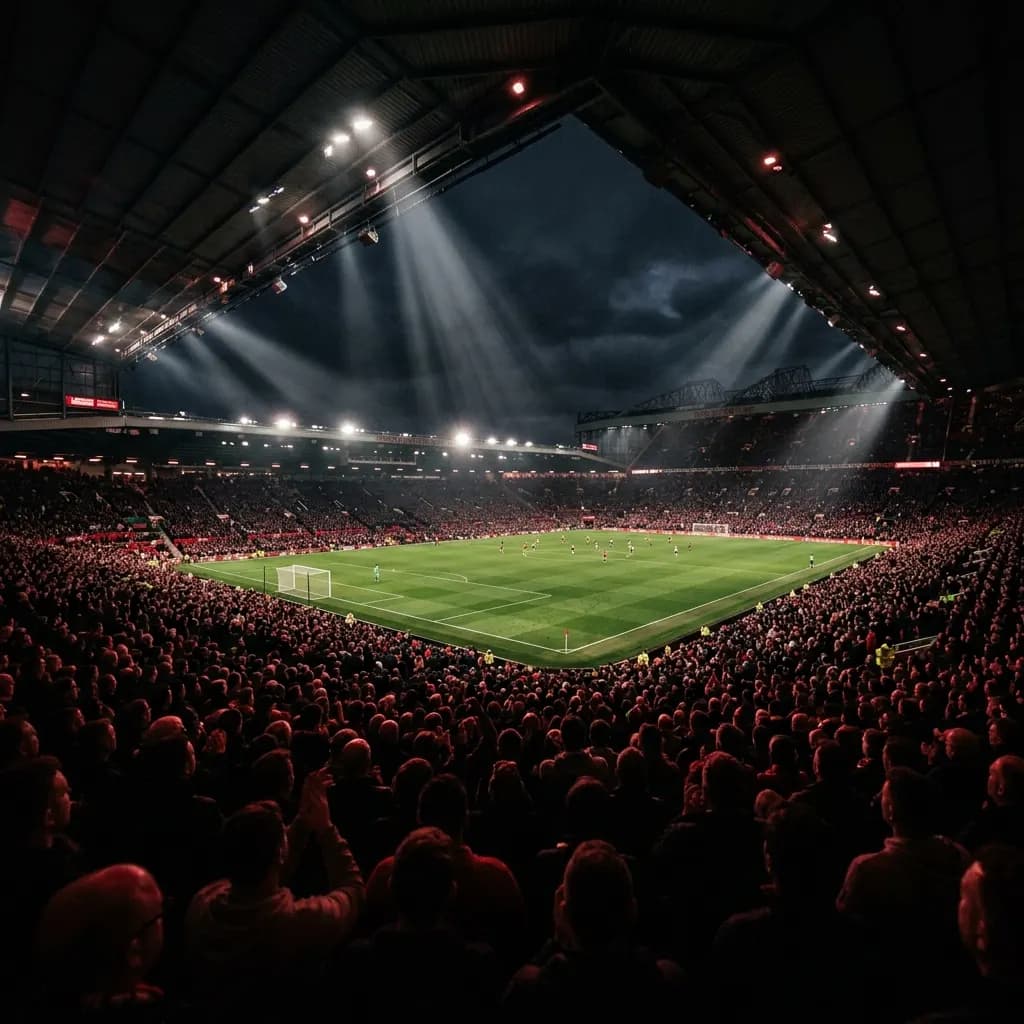
The atmosphere around a World Series game starts well before first pitch and rolls through the final out, transforming the area around each ballpark into a citywide block party. Downtown streets near the host stadium typically host fan zones, live broadcasts, and merchandise tents, while bars and restaurants for blocks in every direction fill with both ticketed attendees and locals soaking up the energy. Inside the park, the pregame ceremony often features an oversized American flag spanning the outfield, military flyovers, celebrity first pitches, and team-specific traditions that mark the moment as bigger than any regular-season game. Fans receive themed rally towels in their seats, and the resulting wave of synchronized waving during big at-bats has become a signature visual of modern Fall Classic broadcasts. Crowd noise crescendos with two-strike counts, runners in scoring position, and any high-leverage pitching change, and the volume in elimination games reaches a sustained level that players regularly describe as unlike anything else they experience. Long-standing fan rituals vary by host city, from organ riffs and seventh-inning sing-alongs to specific chants tied to local stars and franchise history. Pitching changes draw collective roars or groans, and home runs trigger fireworks, scoreboard pyrotechnics, and stadium-specific celebrations that have become part of each park's identity. A clinching win on home soil produces an outfield-pile celebration and a championship trophy presentation that fans stay in their seats to witness in person.
Resale market
The resale market for World Series tickets is among the most active and volatile in all of sports, driven by the combination of fixed capacity, national demand, and a matchup confirmed only days before Game 1. Once the participants are set, listings populate rapidly as season-ticket holders who do not plan to attend offload their allocations, and prices recalibrate as the series unfolds game by game. Early-series games in the team with the better record's park often carry strong premiums because they are guaranteed to happen, while later contests like Game 5 in the road city or Games 6 and 7 back home are conditional and price-shift sharply based on the series score. A sweep, for example, erases the value of unplayed listings entirely, which is why most platforms refund the face plus fees if a contingent game is not played. Prices typically rise as first pitch approaches for high-leverage games and can soften late on lower-leverage games when the series is already lopsided. Fans hunting value tend to watch the hours immediately before first pitch for sellers who would rather move tickets at a discount than carry them as a loss, although that strategy carries real risk. Mobile-only entry is now the norm at most parks, which means buyers should only use platforms that guarantee verified transfer and pay attention to fees that can meaningfully change the all-in cost. For fans following a specific club's path through October, the team hubs on this site track verified listings as the bracket clarifies and the matchup locks in.
Broadcast & streaming
The World Series is broadcast nationally in the United States across television and digital platforms, with every game carried live in primetime and traveling-companion radio coverage on national networks. International viewers can access the series through MLB's global distribution partners, and league digital platforms typically offer audio streams and supplementary highlight content even where the live video rights are exclusive to a local broadcaster. Pregame and postgame studio coverage runs for hours around each contest, with on-field reporting, analyst panels, and dugout interviews woven into the production. Audio-only options are also available through national radio rights holders and team flagship stations, which travel with each club and give regional fans a familiar play-by-play voice. For fans attending in person, the in-park audio mix is distinct from the broadcast feed and is part of the live experience, while those at home benefit from multiple camera angles, advanced strike-zone graphics, and real-time pitch data. Replay reviews are integrated into the broadcast in near real time, and the network typically offers an enhanced viewing option with alternate commentary or behind-the-scenes coverage during select games.