
Travel guide: Atlanta
Mercedes-Benz Stadium · USA 🇺🇸
Welcome to Atlanta
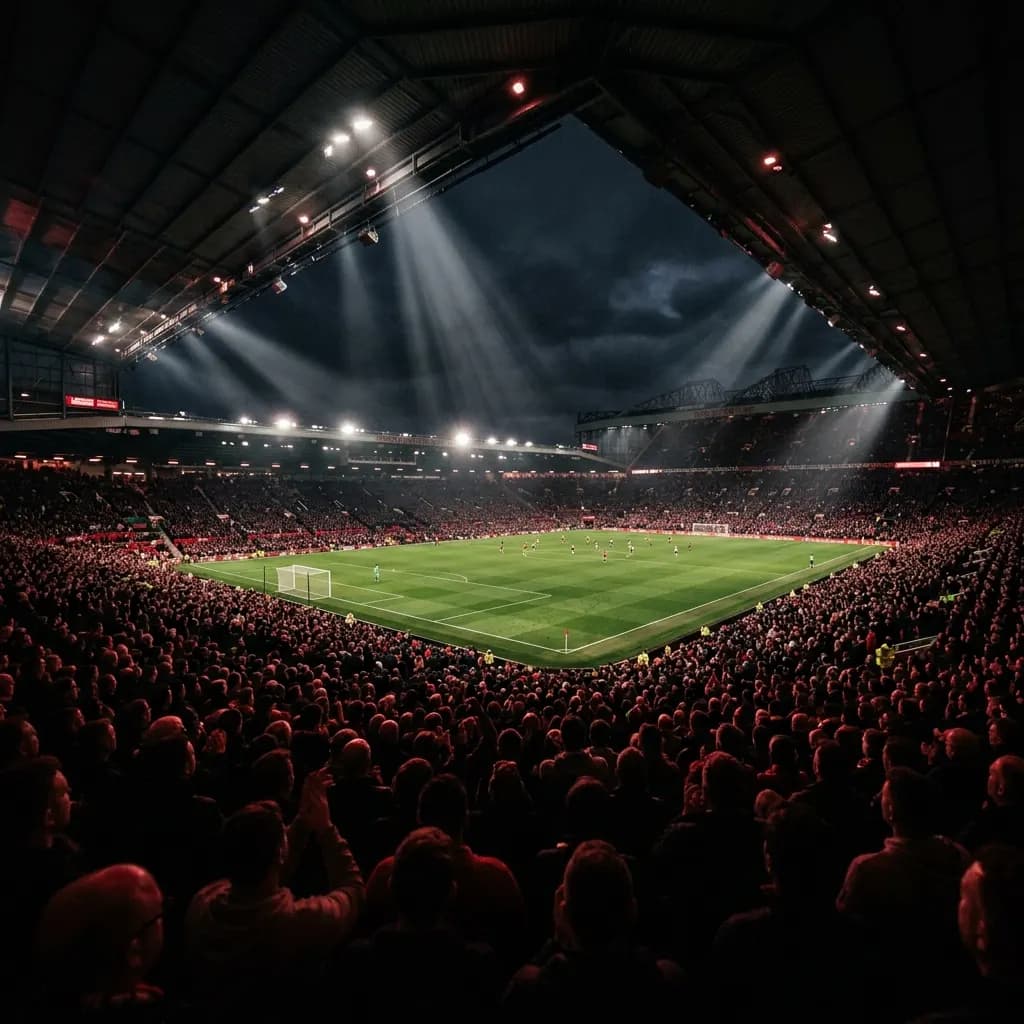
Atlanta steps onto the 2026 FIFA World Cup stage as one of the most distinctive American host cities, blending Deep South hospitality with a skyline-driven, hyper-connected urban core. Co-hosted across the United States, Canada and Mexico, the expanded 48-team tournament will spread matches across 16 cities, and Atlanta's status as a global aviation hub and major media capital makes it a natural anchor for the U.S. slate. Mercedes-Benz Stadium, with its retractable petal roof and downtown setting, is built for marquee events and has hosted Super Bowls, College Football Playoff finals and MLS Cup. Add a vibrant immigrant community, a deep soccer culture led by Atlanta United, and a downtown packed with attractions within walking distance of the stadium, and you have a host city geared for fans who want big-match atmosphere paired with easy logistics, warm weather and unmistakably Southern character.
Flights & airport access
Hartsfield-Jackson Atlanta International Airport (ATL) is the single most important asset Atlanta brings to the 2026 World Cup. Consistently ranked among the busiest airports in the world, it offers nonstop service from every major U.S. hub and a deep roster of international gateways across Europe, Latin America, the Caribbean, the Middle East and Asia, making it one of the easier host cities to reach for traveling supporters. Book international flights as early as possible; fares spike sharply in the weeks before group-stage and knockout matches. From the airport, the simplest route into downtown is the MARTA rail Red or Gold Line, which runs directly from the domestic terminal to Five Points and other central stations in roughly 20 minutes for a modest flat fare. Rideshare and taxi pickup zones are clearly signed but expect surge pricing on matchdays and longer queues. Rental cars are available on-site, though downtown traffic and parking pricing during the tournament make transit and rideshare a more practical choice for most fans. Allow extra buffer time on departure days, as ATL security lines can be long during peak summer travel.
Public transit
MARTA, the Metropolitan Atlanta Rapid Transit Authority, operates the city's rail and bus network and is the backbone of any World Cup trip. The rail system has two main lines: Red/Gold running north-south from the airport through downtown into Buckhead and North Springs, and Blue/Green running east-west through downtown out to Decatur and beyond. For the tournament, the key station is Vine City or GWCC/CNN Center, both within a short walk of Mercedes-Benz Stadium, with Five Points serving as the main downtown transfer hub. A reloadable Breeze Card is the standard fare medium, and contactless payment options have expanded in recent years. On matchdays expect MARTA to run enhanced service, with additional trains before kickoff and after the final whistle, plus crowd-control measures at stadium-adjacent stations. Arrive at the platform earlier than you think necessary, as outbound trains fill quickly post-match. Beyond rail, MARTA buses cover neighborhoods the trains do not reach, but walking, rideshare and the downtown Atlanta Streetcar loop are often more practical for short hops between hotels, restaurants and fan zones.
Where to stay
Atlanta offers one of the deepest hotel inventories of any 2026 host city, but World Cup demand will compress availability and push rates into a premium tier, so book early and be flexible on neighborhood. Downtown is the obvious first choice for fans prioritizing walkability to Mercedes-Benz Stadium, Centennial Olympic Park and the major attractions; properties here run the full spectrum from large convention-style towers to boutique options, and many sit within a 10 to 15 minute walk of the stadium. Midtown, just to the north along the MARTA Red and Gold lines, is a strong alternative with a more residential feel, excellent restaurants, Piedmont Park and easy single-seat rail access to matches. Buckhead, further north, leans upscale and quieter, ideal for travelers who want polished hotels, shopping and dining and do not mind a 20-minute train ride to the stadium. Budget-conscious fans should look at hotels clustered around airport-adjacent corridors and along outer MARTA stations, which can offer meaningful savings while keeping transit access straightforward. Short-term rentals are widely available across Old Fourth Ward, Inman Park and the BeltLine corridor, neighborhoods that put fans inside Atlanta's most dynamic food and nightlife scene. As a general rule, lock in rooms as soon as the match schedule is finalized, watch cancellation policies carefully, and consider staying a night beyond your match to avoid checkout-day travel chaos.
Food & local cuisine
Atlanta's food scene punches well above its weight and is one of the genuine highlights of any trip. Start with Southern classics: fried chicken, biscuits, shrimp and grits, slow-smoked barbecue and the city's signature soul food traditions are everywhere, from long-running institutions to acclaimed modern restaurants. Buford Highway, just outside the urban core, is a globally celebrated immigrant corridor where you can eat Vietnamese, Korean, Mexican, Ethiopian and Chinese food across a single afternoon, often at very modest prices. Closer to the stadium, the Castleberry Hill neighborhood offers a walkable cluster of restaurants and bars, while the Old Fourth Ward's Ponce City Market food hall is a one-stop sampler of the city's best chefs under one roof. Inman Park and Westside Provisions District lean toward higher-end, chef-driven dining at a premium tier, while Krog Street Market provides another excellent food-hall option along the BeltLine. For pre-match meals, downtown bars and brewpubs near Centennial Olympic Park fill quickly, so consider eating in Midtown or Castleberry Hill and taking MARTA in.
Things to do (off-day)
Atlanta rewards fans who build in off-days. Centennial Olympic Park sits at the heart of downtown and anchors a cluster of world-class attractions, including the Georgia Aquarium, one of the largest in the world, and the World of Coca-Cola, an only-in-Atlanta brand experience. Right next door, the College Football Hall of Fame and the Center for Civil and Human Rights round out a full day on foot, the latter offering essential context on Atlanta's central role in the American civil rights movement. The Martin Luther King Jr. National Historical Park in the Sweet Auburn district is a must-visit, with Dr. King's birth home, Ebenezer Baptist Church and the King Center all preserved as a single, deeply moving site. For greener pursuits, Piedmont Park in Midtown is the city's signature urban green space, and the Atlanta BeltLine, a former rail corridor turned multi-use trail, is the best way to experience how the city is reinventing itself; rent a bike or scooter and ride between food halls, breweries and public art installations. The High Museum of Art in Midtown offers a strong permanent collection and rotating exhibitions, while Stone Mountain Park, a short drive east, delivers hiking, cable-car rides and broad views. Sports fans can also catch Atlanta Braves baseball at Truist Park in nearby Cobb County or other live sports during their stay; ticket links for U.S. teams are available through the team hubs on this site, with World Cup ticketing handled via FIFA.com/tickets.
Weather & what to pack
Atlanta in June and July is hot, humid and prone to dramatic afternoon thunderstorms, and fans should plan accordingly. Daytime highs typically sit in the upper 80s to low 90s Fahrenheit (around 30 to 34 Celsius), with overnight lows that stay warm and sticky. Humidity is the real story: even on cloudy days, the air feels heavy, and walking between the stadium, transit and hotels can be draining if you are not prepared. Pack lightweight, breathable clothing, a refillable water bottle, sunscreen and a compact rain shell or travel umbrella, as pop-up storms can roll through quickly in the late afternoon and clear just as fast. A brimmed hat and comfortable walking shoes are essentials. Mercedes-Benz Stadium has a retractable roof and full climate control, so the in-venue experience will be comfortable regardless of conditions outside.
Matchday tips
On matchday, plan to arrive at Mercedes-Benz Stadium at least 90 minutes before kickoff, and earlier for high-profile fixtures. MARTA's Vine City and GWCC/CNN Center stations are the closest rail stops and will be the fastest way in and out; driving and parking downtown will be expensive and slow. Expect airport-style security screening, clear-bag policies and tightened FIFA tournament protocols, so travel light and check the official bag policy before leaving your hotel. Have your digital ticket loaded and screen brightness turned up before you reach the gates. Inside, the stadium is fully cashless. After the final whistle, give yourself patience: outbound MARTA trains fill quickly, and a short walk to a quieter station or a nearby restaurant often beats fighting the immediate post-match crush.