
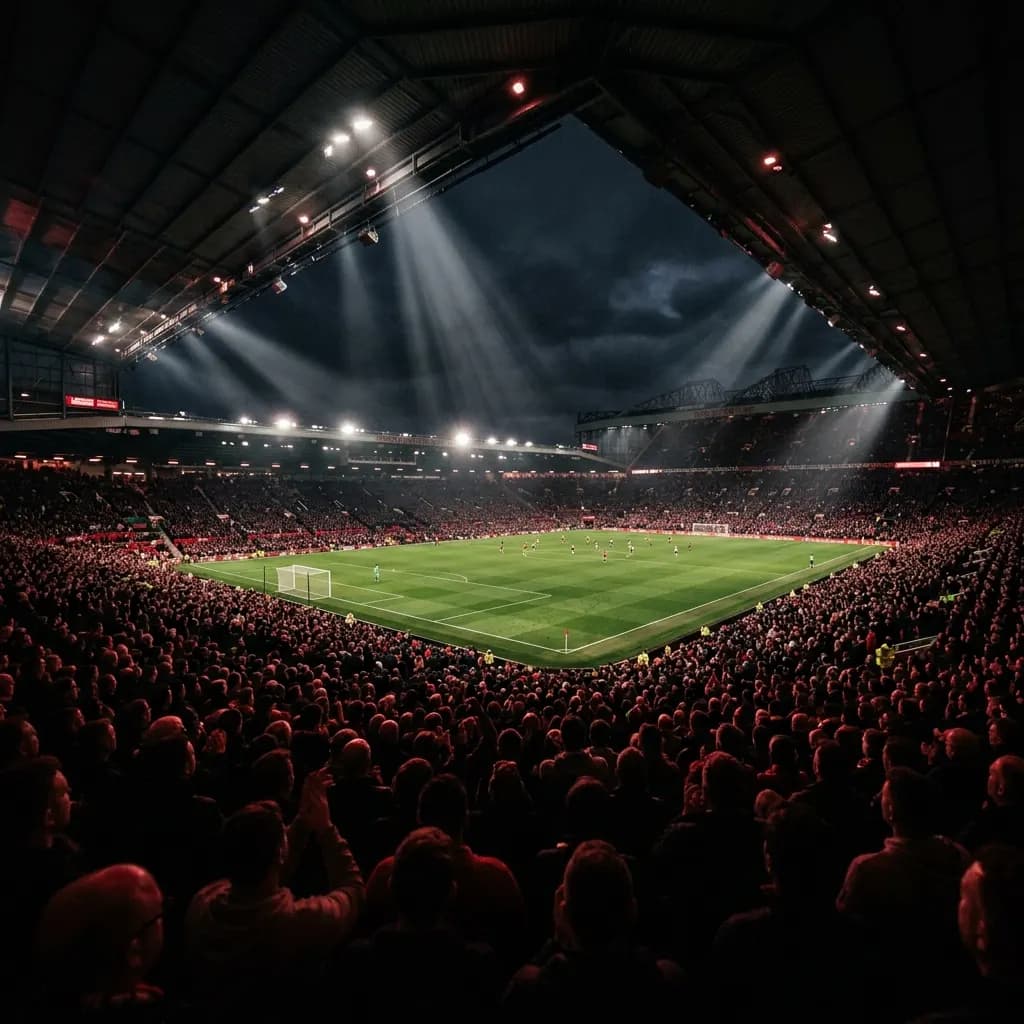
Travel guide: Boston
Gillette Stadium (Foxborough) · USA 🇺🇸
Welcome to Boston
Boston earns its place among the 2026 FIFA World Cup host cities as one of the tournament's most historically rich and walkable destinations, even if the matches themselves play out roughly 25 miles south in Foxborough. The expanded 48-team format spreads matches across 16 host cities in the United States, Canada, and Mexico, and Boston draws a healthy slate of group-stage and knockout fixtures at Gillette Stadium. What sets Boston apart is the split personality of the experience: cobblestone streets, colonial landmarks, and a compact downtown core feed fans into a modern, NFL-standard stadium surrounded by New England forest. For international visitors, that contrast is part of the appeal, a chance to combine a major sporting event with one of America's most storied cities. Plan early, lean on the team hubs on this site for ticket guidance, and visit FIFA.com/tickets for official World Cup ticket information and match schedules.
Flights & airport access
Logan International Airport (BOS) is the primary gateway and one of the easier major US airports to use, sitting just two miles from downtown Boston. Logan handles direct flights from across Europe, the Middle East, Asia, Canada, and Latin America, with carrier diversity that typically keeps fares competitive outside peak World Cup windows. Book flights as early as possible; matchday-adjacent dates will see premium-tier pricing, while shoulder days remain more modest. From the airport, the Silver Line bus runs free to South Station, connecting fans to the Red Line subway and Amtrak. The Blue Line subway, accessed via a short shuttle from terminals, reaches downtown in about 10 minutes. Taxis, rideshare, and Logan Express buses to suburban hubs are reliable alternatives, though surge pricing is common on match days. Travelers connecting via secondary airports can consider Manchester (MHT) in New Hampshire or T.F. Green (PVD) in Providence, both within a 90-minute drive of Foxborough, sometimes offering lower-cost domestic connections during the tournament window.
Public transit
Boston's public transit system, the MBTA (locally known as the 'T'), covers the central city with subway, bus, commuter rail, and ferry service. The four main subway lines, Red, Blue, Orange, and Green, connect most neighborhoods fans are likely to visit, and a stored-value CharlieCard or contactless tap-to-pay handles fares. For most downtown movement, the T is faster than driving. The critical matchday detail is that Gillette Stadium is not on the regular subway map. The MBTA runs seasonal Foxboro commuter rail service for major events at Gillette, typically departing from South Station and connecting directly to the stadium grounds. Expect this service to operate on World Cup match days, but confirm schedules in advance through the MBTA website, as trains often sell out and require advance reservations for major events. Buses operated by the stadium and third parties also run from downtown Boston, Providence, and other regional hubs. Driving to Foxborough is possible but parking is finite, traffic backs up for hours, and rideshare drop-offs face restrictions on match days.
Where to stay
Boston's hotel inventory clusters in a few well-defined zones, and choosing the right one comes down to balancing transit access, walkability, and budget. The Back Bay and Seaport District offer premium-tier properties with strong transit links, walkable dining, and proximity to South Station for the Foxboro commuter rail. Downtown and the Financial District put you near the Freedom Trail and most tourist sights, with a mix of luxury and mid-range options. Cambridge, just across the Charles River, often delivers slightly more modest pricing while remaining a short Red Line ride from South Station. For fans prioritizing matchday convenience over Boston sightseeing, hotels in Foxborough, Mansfield, Norwood, and Providence put you closer to the stadium but farther from the city experience. Airbnb and short-term rentals are widely available across Boston's residential neighborhoods, including Somerville, Brookline, and Jamaica Plain, often at more reasonable rates than central hotels. Book as early as possible. Boston hotel prices climb steeply during the World Cup window, and inventory in the prime Back Bay and Seaport zones will tighten months in advance. Travelers willing to stay in surrounding cities such as Worcester, Providence, or even Portland, Maine, can find significantly more modest rates and use the commuter rail or driving to reach Boston and the stadium. Confirm cancellation policies carefully, as flexible bookings will be worth the small premium given how fluid travel plans become around a tournament of this scale.
Food & local cuisine
Boston's food scene leans heavily on its coastal location and its immigrant neighborhoods, and fans should plan to eat well. Seafood is the headline act: clam chowder, lobster rolls, oysters, and fried clams are the signature local cuisine, best sampled at long-standing institutions in the North End, Seaport, and along the waterfront. The North End is Boston's historic Italian quarter, with dense rows of family-run restaurants, espresso bars, and bakeries; expect lines but reliable quality. Chinatown delivers strong dim sum, Vietnamese pho, and late-night options near the theater district. For more contemporary dining, the Seaport District and South End offer a wave of newer restaurants spanning global cuisines, with premium-tier pricing common but quality high. Cambridge and Somerville's Union Square push the casual end of the spectrum, with strong craft breweries, taco spots, and global street food. Budget-conscious travelers can do well with neighborhood pizzerias, sandwich counters, and the food halls now scattered across downtown. Reservations are strongly recommended for popular spots, especially on non-match evenings when fans flood the city.
Things to do (off-day)
Boston is a city built for walking, and off-days reward fans who explore on foot. The Freedom Trail is the classic introduction, a 2.5-mile red-brick route linking 16 historic sites from Boston Common to Bunker Hill, taking visitors through Revolutionary War landmarks, old burying grounds, Faneuil Hall, and Paul Revere's house. The trail is free and self-guided, though paid guided tours add context. Fenway Park, home of the Red Sox, sits in the heart of the city and offers ballpark tours year-round; depending on the schedule, fans may catch a Major League Baseball game during the tournament window. The Museum of Fine Arts and the Isabella Stewart Gardner Museum are both worth a half-day, while the New England Aquarium on the waterfront suits families. For a change of pace, the Charles River Esplanade offers running paths, kayak rentals, and skyline views, and Boston Common and the adjacent Public Garden provide easy green space in the center of downtown. Cambridge is worth dedicated time: Harvard Yard and MIT campuses are open to visitors, and Harvard Square's bookshops and cafes have a distinct character. Day trips by car or commuter rail open up Salem, Cape Cod, Plymouth, and the beaches of the North Shore. Fans of American sports history can also visit the TD Garden, home of the Celtics and Bruins, with its own museum and tours available between events.
Weather & what to pack
Boston in June and July is generally warm and humid, with daytime highs typically in the upper 70s to mid-80s Fahrenheit and overnight lows in the 60s. July tends to be the hotter, more humid month, with occasional heat waves pushing temperatures into the 90s. Rain is possible but rarely sustained; afternoon and evening thunderstorms can develop quickly, especially in July. Coastal sea breezes keep downtown noticeably cooler than inland Foxborough, where stadium temperatures can run several degrees hotter. Pack light, breathable clothing, comfortable walking shoes for cobblestone streets and the Freedom Trail, a compact rain jacket or travel umbrella, and high-SPF sunscreen for long matchday queues and outdoor exploration. A reusable water bottle is essential. Evenings near the harbor can turn cool, so a light layer is worth packing even in mid-summer.
Matchday tips
Plan to arrive at Gillette Stadium at least two to three hours before kickoff. The stadium sits in a large complex with the Patriot Place shopping and dining district adjacent, which offers food, drink, and pre-match atmosphere. Security at FIFA World Cup matches will be extensive, with bag policies typically restricted to small clear bags or no bags at all; check FIFA.com/tickets and official match-day guidance for the exact policy. Mobile tickets and ID are the standard, and screenshots are generally not accepted. Allow extra time for transit: the Foxboro commuter rail fills quickly, traffic on Route 1 backs up well before kickoff, and rideshare drop-off zones are set well back from the gates. Stay hydrated, plan a meeting point in case mobile networks slow under the crowd load, and review your return transport plan before kickoff rather than after the final whistle.