
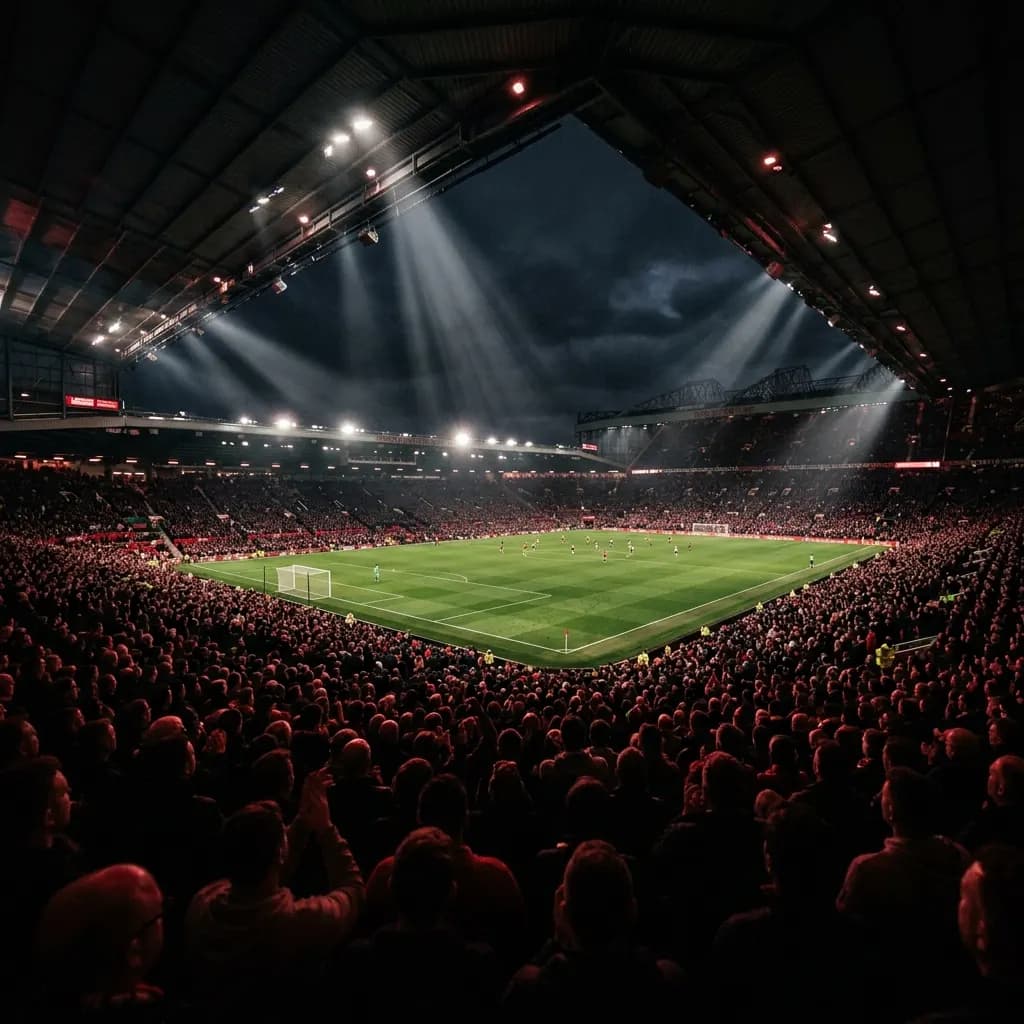
Travel guide: Houston
NRG Stadium · USA 🇺🇸
Welcome to Houston
Houston steps onto the 2026 FIFA World Cup stage as one of the most internationally connected host cities in the United States, a sprawling Gulf Coast metropolis where more than 145 languages are spoken and global communities have built deep roots. For a tournament expanded to 48 nations across the USA, Canada and Mexico, that cultural mix matters. Group-stage visitors will find neighborhood enclaves that reflect almost every qualified federation, from Latin American taquerias to West African markets to Vietnamese coffee shops. The host venue, NRG Stadium, sits inside one of the largest sports and entertainment complexes in North America, just south of downtown. Houston is a co-host alongside Dallas in Texas, but distinguishes itself with warmer Gulf humidity, a denser core, and rail access to the stadium. Fans planning a Houston leg of their tournament should think early: lodging, internal travel between host cities, and matchday logistics all reward preparation over improvisation.
Flights & airport access
Houston is served by two commercial airports, and which one you choose can shape your trip. George Bush Intercontinental (IAH) is the larger hub, roughly 23 miles north of downtown, and handles most long-haul international arrivals from Europe, Latin America, the Middle East and Asia. William P. Hobby (HOU) sits closer to the south side, about 11 miles from the central business district, and leans heavily on domestic and short-haul international routes, useful for fans hopping between US host cities. Both airports connect to the city via taxi, rideshare, and pre-booked private transfers; rideshare to downtown from IAH is typically the longest leg, while Hobby is the quicker run on a normal day. Public bus links exist but are slow with luggage during peak hours. If you are flying in for a specific matchday, build in a wide buffer: tournament weekends will compress curbside pickup, customs queues at IAH, and ground traffic on I-45 and the Sam Houston Tollway. Booking flights with flexible change policies is wise, given likely schedule pressure during the group stage.
Public transit
Houston is famously car-oriented, but the World Cup will lean on the METRORail Red Line, which is the single most useful piece of public transit for fans. The Red Line runs north-south through the heart of the city, linking downtown, the Museum District, the Texas Medical Center and, crucially, the NRG Park stations directly adjacent to the stadium. For visitors based in downtown or Midtown hotels, that means a stadium trip without renting a car. Tickets are inexpensive and bought at platform vending machines or via the official METRO app. On matchdays, expect significantly increased frequency, longer trains where possible, and crowd-control measures at the NRG stops before and after kickoff. Plan to arrive at the platform well before the gates open, and again be patient at the post-match exit surge. Beyond the Red Line, METRO buses cover wider neighborhoods, and rideshare remains a reliable backup, though surge pricing on matchdays is realistic. Walking between the Red Line and core entertainment districts is straightforward in cooler hours, but Houston heat makes shaded routes and hydration breaks important for any longer on-foot transfers.
Where to stay
Houston offers a wide spread of hotel zones, and choosing the right one shapes your matchday and your downtime. Downtown Houston is the strongest all-round base: high concentration of hotels across the budget spectrum, walkability to bars and restaurants, and direct METRORail Red Line access south to NRG Stadium. Midtown sits one stop further south and trades some scale for a livelier nightlife scene popular with younger travelers. The Museum District and Medical Center area put you even closer to the stadium on the Red Line, with a quieter, more residential feel and proximity to major attractions. The Galleria/Uptown district, west of the core, offers premium tier shopping-mall hotels and is well suited to fans who prefer a polished, business-traveler atmosphere; expect to rely on rideshare for stadium trips. Closer to the airports, IAH-area and Hobby-area hotels work for short overnight transits but are not ideal for a multi-day stay. Lodging during a host-city World Cup is one of the first things to sell out and one of the last things to discount, so booking well in advance is strongly recommended. Look for flexible-cancellation rates where possible, since match schedules and potential knockout-round draws can shift your plans. For the latest fixture details, consult FIFA.com/tickets and the team hubs on this site for related ticket information across the tournament.
Food & local cuisine
Houston is one of the great underrated food cities in the United States, and the World Cup is a strong excuse to eat your way across it. Tex-Mex is foundational; expect generous portions, smoky salsas and a long lineup of options across the city. Texas barbecue is the other essential, with brisket-focused smokehouses scattered around the inner loop and out into the suburbs; queues can be long, and many of the best spots sell out by mid-afternoon. Beyond those headline cuisines, Houston shines in its global neighborhoods. The Chinatown area along Bellaire Boulevard offers extensive Vietnamese, Chinese, Korean and Pakistani options at modest prices. Midtown and Montrose pull together upscale tasting menus, craft cocktail bars and premium tier steakhouses. The EaDo (East Downtown) district is increasingly the spot for new-wave restaurants and breweries within walking distance of downtown. For matchday eating, plan a substantial meal before heading to NRG; stadium concessions exist but lines lengthen quickly around kickoff, and pacing your day around the heat is smart.
Things to do (off-day)
Off-day options in Houston are genuinely strong, and most are clustered along the Red Line, which makes them easy to fold into a stadium-based trip. The Museum District holds more than a dozen institutions within walking distance of each other, anchored by the Museum of Fine Arts, Houston, the Houston Museum of Natural Science with its dinosaur and gem halls, and the contemporary art at the Menil Collection nearby. Space fans should set aside a half-day for Space Center Houston, the official visitor center of NASA's Johnson Space Center, located south of the city near Clear Lake; it is best reached by car or rideshare. Buffalo Bayou Park gives you green space, kayaking and skyline views close to downtown, and the underground Cistern there is a striking, surprisingly cool place to escape midday heat. The Houston Zoo and Hermann Park, both Red Line-accessible, work well for families. Discovery Green downtown often hosts public viewing events and pop-up programming during major tournaments, so check listings closer to your travel dates. Sports fans should also note the year-round presence of MLB, NBA and NFL franchises; if their schedules align, the team hubs on this site list ticket information for the Astros, Rockets and Texans. Save evenings for live music in Midtown or rooftop bars overlooking the downtown skyline, an easy way to wind down between matchdays.
Weather & what to pack
Houston in June and July is hot, humid and prone to sudden thunderstorms, and packing for it honestly will improve your tournament. Daytime highs routinely sit in the low-to-mid 90s Fahrenheit, and overnight temperatures rarely drop far. Humidity is the defining factor: even short walks can feel taxing, and the heat index often runs higher than the air temperature. Pack lightweight, breathable, light-colored clothing, a brimmed hat, high-SPF sunscreen and a reusable water bottle. Afternoon storms can be sharp but usually brief; a compact rain shell is more useful than an umbrella in gusty conditions. Stadium concourses, hotels and museums are heavily air-conditioned, so a light layer for indoor spaces is sensible. Hydration is not optional. Plan stadium arrivals to minimize standing in direct sun, and use shaded Red Line platforms and indoor connections where possible.
Matchday tips
On matchday at NRG Stadium, treat the timeline as the most important variable. Gates typically open well before kickoff for major international fixtures, and FIFA security screening will be thorough, with bag-size limits and clear-bag policies likely; check the official FIFA matchday guidance close to your travel date. Aim to arrive at least 90 minutes before kickoff to clear screening, find your seat, and absorb the pre-match atmosphere without rushing. The METRORail Red Line NRG stations are the cleanest way in and out for most fans; if you drive, expect heavy traffic and premium tier parking near the venue. Bring a fully charged phone for digital tickets, hydrate before entry, and identify your section's nearest exit on arrival. For tournament ticket information, the official source is FIFA.com/tickets.