
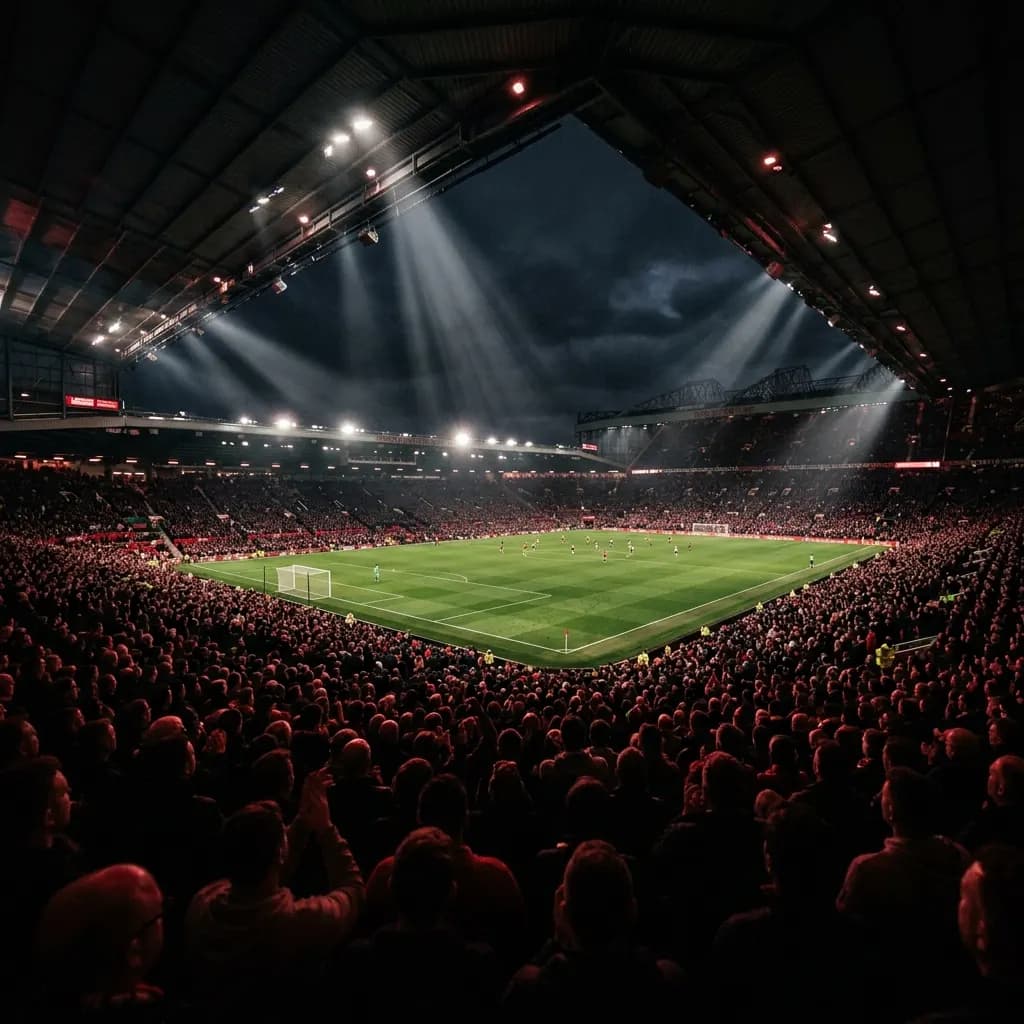
Travel guide: Los Angeles
SoFi Stadium (Inglewood) · USA 🇺🇸
Welcome to Los Angeles
Los Angeles arrives at the 2026 FIFA World Cup as one of the tournament's most globally recognized hosts, a sprawling Pacific metropolis where soccer culture has quietly become one of the deepest in North America. The matches at SoFi Stadium in Inglewood place LA among the United States' showcase venues, alongside New York/New Jersey, Dallas, and Atlanta. The 2026 World Cup, jointly hosted by the United States, Canada, and Mexico, expands to 48 teams and 104 matches across 16 host cities, with the U.S. handling the bulk of the knockout schedule. LA's draw is its scale and variety: beaches, mountains, studios, taco trucks, K-town, and a stadium widely considered the most advanced in world sport. For traveling fans, it offers a tournament base unlike any other host, where match days slot into a city already built around big events, big crowds, and a year-round sun-soaked outdoor lifestyle.
Flights & airport access
Los Angeles is one of the easiest World Cup host cities to reach from almost anywhere on earth. Los Angeles International Airport (LAX) is a top-tier global hub with nonstop service from every major European, Asian, Latin American, Oceanian, and North American gateway, so most international fans will land directly without needing a U.S. connection. Smaller regional alternatives such as Burbank (BUR), Long Beach (LGB), and Orange County (SNA) can be useful if LAX inventory tightens close to match dates. Long-haul fans should book early; premium-tier fares spike sharply during tournament windows, while shoulder dates around your match offer better value. From LAX, the new LAX/Metro Transit Center connects directly to the Metro K Line via the people-mover (LAX Automated People Mover), giving fans a rail option toward Inglewood and SoFi Stadium for the first time. Ride-hail pickups operate from the dedicated LAX-it lot, taxis queue at every terminal, and FlyAway buses link to Union Station downtown. Traffic on LA freeways is famously unpredictable, so build a generous buffer around airport transfers, particularly on match days.
Public transit
Los Angeles is historically a car city, but the Metro rail and bus network has grown meaningfully ahead of 2026 and now reaches the World Cup footprint directly. The Metro K Line (formerly Crenshaw/LAX) is the key route for fans, connecting central LA, Inglewood, and the LAX area, with a dedicated Downtown Inglewood station a short walk from SoFi Stadium. The wider Metro system links downtown, Hollywood, Santa Monica, Pasadena, and Long Beach via the B, D, A, and E lines, so most major neighborhoods are reachable without a rental car. Buy a TAP card on arrival; fares are modest and the same card works across rail, Metro buses, and many municipal systems. On match days, expect supplemental shuttle services and managed pedestrian routes around SoFi and adjacent Hollywood Park, with traffic restrictions in the immediate stadium zone. Rideshare drop-offs will be pushed to designated lots away from the stadium itself, so transit or pre-arranged shuttles will almost always be faster door-to-door. Plan to travel earlier than you think you need to, and check the latest Metro and host-city advisories the night before each fixture.
Where to stay
Los Angeles offers more hotel zones than any other 2026 host, and choosing the right one shapes your entire trip. For proximity to SoFi Stadium, look at Inglewood, El Segundo, Manhattan Beach, and the LAX corridor, which put you closest to match-day transit and shuttles but lean business-traveler in character. Downtown LA (DTLA) is the strongest all-round base for international fans: it has the densest Metro connections, easy K Line access toward Inglewood, walkable bars and restaurants in the Arts District and Historic Core, and a deep range from hostels to luxury towers. Hollywood and West Hollywood deliver nightlife and iconic LA scenery, while Santa Monica and Venice trade transit convenience for ocean-front living and a relaxed match-week vibe. Koreatown is a value-for-money sweet spot with strong food, nightlife, and quick rail access. Beverly Hills, Culver City, and Pasadena work well for travelers wanting quieter, leafier neighborhoods. Booking early matters: LA's hotel inventory is large, but tournament demand will compress availability in the Inglewood and DTLA cores first, with rates pushing into premium tier the closer to kickoff you book. If you are flexible, lock in a refundable rate now and refine your zone once group-stage fixtures and the LA match schedule are confirmed. For ticket-buying logistics, see the team hubs on this site or FIFA.com/tickets.
Food & local cuisine
Few World Cup hosts can match Los Angeles for food. The city's defining cuisine is its Mexican and Mexican-American cooking, from carne asada and al pastor tacos in Boyle Heights and East LA to upscale modern Mexican rooms in Arts District and West Hollywood. Koreatown is essential for Korean barbecue, soondubu, and late-night soju bars, while Thai Town and Little Tokyo deliver some of the strongest Asian dining anywhere outside Asia. Pico-Union, Westlake, and parts of South LA are home to vibrant Salvadoran, Guatemalan, and Oaxacan communities serving pupusas, tlayudas, and regional moles. For a classic LA day, pair a beach walk in Santa Monica or Venice with seafood on the pier, then dinner in Silver Lake, Echo Park, or Highland Park where the modern California-cuisine scene clusters. Smorgasburg LA on Sundays in the Arts District is a strong group-friendly stop. Budget-conscious fans should follow the taco trucks; premium-tier diners will find world-class tasting menus across the Westside. Coffee culture is serious here, so build cafe stops into your match-day morning.
Things to do (off-day)
Los Angeles rewards travelers who treat the tournament as a reason to explore the city, not just SoFi Stadium. On non-match days, the Pacific coast is the headline attraction: Santa Monica Pier, Venice Beach boardwalk, and the cliffs and tide pools of Malibu are easy half-day trips, while the South Bay beach towns of Manhattan Beach, Hermosa, and Redondo offer calmer alternatives close to the stadium. For culture, the Getty Center and Getty Villa, LACMA, The Broad, and the Academy Museum of Motion Pictures are all world-class. Griffith Observatory delivers the iconic Hollywood sign and city-skyline view, with hikes ranging from short walks to longer Griffith Park loops. Universal Studios Hollywood and a studio tour at Warner Bros. or Sony are obvious picks for film fans. Downtown LA pairs Grand Central Market with the Arts District galleries, while Pasadena's Huntington Library and gardens offer a quieter day out. Sports travelers can fit in additional MLB, NBA, WNBA, or MLS fixtures depending on the schedule; check the team hubs on this site for the latest dates and ticket links. Day trips include Disneyland in Anaheim, Joshua Tree National Park for desert landscapes, and Santa Catalina Island via ferry from Long Beach. With a rental car or rideshare, the San Gabriel Mountains, Big Bear, and even San Diego are all comfortably reachable, making LA one of the most versatile bases of the entire 2026 tournament.
Weather & what to pack
Late June and July in Los Angeles deliver classic Southern California summer: warm, dry, and largely sunny, with daytime highs typically in the high-20s to mid-30s Celsius (low-80s to mid-90s Fahrenheit) inland and noticeably cooler along the coast thanks to the marine layer. Mornings near the beaches often start gray and overcast before clearing by midday, a pattern locals call 'June gloom.' Humidity is low, rainfall is rare, and evenings cool down quickly, especially near the ocean. Pack light, breathable clothing, sunglasses, high-SPF sunscreen, and a refillable water bottle for stadium queues and outdoor sightseeing. A light layer or hoodie is useful for cool coastal evenings and over-air-conditioned interiors. Comfortable walking shoes are non-negotiable given LA's sprawl and stadium walks. If wildfire smoke advisories appear, check air-quality updates before long outdoor sessions.
Matchday tips
On match days at SoFi Stadium, arrive early. Security screening, bag policy enforcement, and FIFA-specific accreditation checks will be stricter than a regular NFL Sunday, and the Inglewood approach roads slow significantly in the final two hours before kickoff. Aim to be on-site at least 90 minutes before your scheduled start, or earlier if you want to soak up the Hollywood Park plaza, fan-zone activations, and pre-match build-up. Travel via the Metro K Line to Downtown Inglewood station and follow signed pedestrian routes, or use official match-day shuttles. Expect a clear-bag policy, no large backpacks, and limited re-entry. Carry your digital ticket on a charged phone, screenshot it as a backup, and have ID for any age-restricted areas. For ticket questions, check FIFA.com/tickets and the team hubs on this site.