
Travel guide: Mexico City
Estadio Azteca (Opening Match) · Mexico 🇲🇽
Welcome to Mexico City
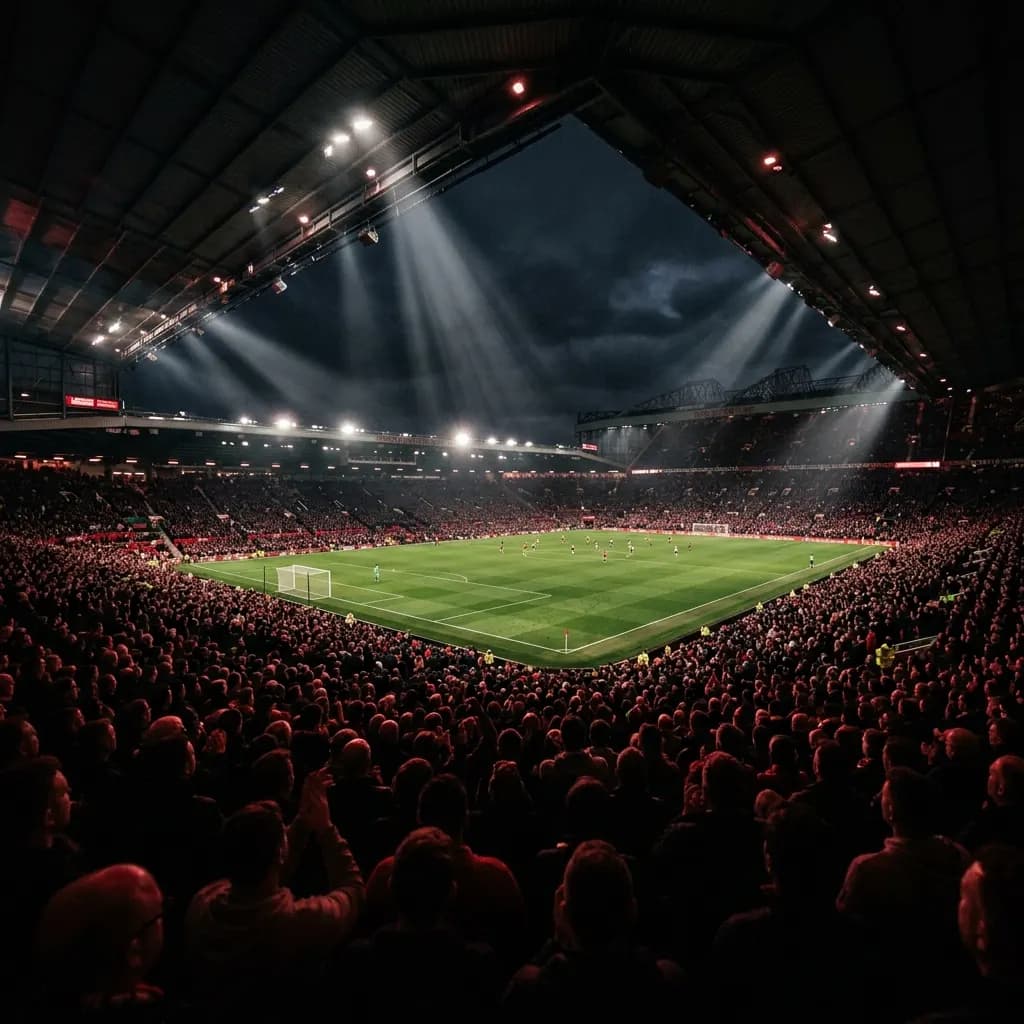
Mexico City carries a distinction no other 2026 host can claim: Estadio Azteca becomes the first venue in history to stage matches at three different FIFA World Cups, after previously hosting in 1970 and 1986. The capital opens the tournament, putting the eyes of the global game on a metropolis of more than 22 million people perched at roughly 7,350 feet above sea level. For traveling supporters, this is a chance to witness the ceremonial first whistle of a 48-team competition co-hosted by Mexico, the United States and Canada, inside a stadium that has staged Pele, Maradona and generations of Liga MX folklore. Beyond the football, Mexico City offers a layered experience few host cities can rival: Aztec ruins beside colonial cathedrals, world-class museums, and one of the planet's most decorated food scenes. Plan early. Hotel inventory, internal flights and matchday transit will all tighten quickly once the schedule is finalized through FIFA.com/tickets.
Flights & airport access
Mexico City is served by two international airports. Mexico City International (MEX), officially Benito Juarez, sits in the eastern part of the city and remains the primary hub for most international carriers from North America, Europe and Latin America. Felipe Angeles International (NLU), located in the State of Mexico roughly 30 miles north of the city center, has absorbed a growing share of domestic and select international routes, and is a useful backup as MEX nears capacity around the tournament. Direct flights are available from major US gateways, Toronto, Madrid, London, Frankfurt and beyond. Book early; fares for opening-match windows are expected to reach a premium tier. From MEX, the most reliable ground options are authorized airport taxis purchased at clearly marked booths inside the terminal, app-based rideshare from designated pickup zones, or Metro Line 5 from Terminal 1. From NLU, a dedicated Mexibus connection and authorized taxis are the standard routes into the city, with travel times of 60 to 90 minutes depending on traffic. For tournament travel logistics, refer to FIFA.com/tickets and confirm any host-city shuttle programs once published.
Public transit
The Sistema de Transporte Colectivo, known locally as the Metro, is the workhorse of Mexico City and one of the most affordable urban rail networks in the Americas. Twelve color-coded lines reach most neighborhoods visitors will care about, with service typically running from early morning until around midnight. For Estadio Azteca, the dedicated route is Metro Line 2 (the blue line) to Estadio Azteca station, a short walk from the stadium gates. The Metrobus bus rapid transit system, the Tren Ligero light rail and the Cablebus aerial network complement the Metro and reach areas it does not. Buy a rechargeable Tarjeta de Movilidad Integrada at any station and load it with credit; the card works across the entire system. On match day, expect heavier-than-normal crowds in both directions, with platform queuing and possible station entry controls. Plan to arrive at the stadium at least two hours before kickoff, and consider returning toward the city center via Tren Ligero from Tasquena as a release valve if Line 2 platforms back up. App-based rideshare is widely available but surge pricing and road closures around the stadium can make it slower than rail on matchday.
Where to stay
Mexico City's hotel map gives traveling supporters several distinct zones to choose from, each with its own character. Polanco is the polished, upscale option: tree-lined streets, designer shopping along Avenida Presidente Masaryk, and a deep bench of premium-tier and luxury hotels near Chapultepec Park. Reforma and the Zona Rosa corridor put you on the city's grand boulevard with strong Metro and Metrobus access, and a wide range of business-class properties at moderate to upper-moderate pricing. Roma Norte and Condesa are the neighborhoods of choice for visitors who want walkable streets, leafy parks, cafe culture and a younger food-and-bar scene, with boutique hotels and well-reviewed short-term rentals. The Centro Historico places you steps from the Zocalo, the Metropolitan Cathedral and Templo Mayor, with character-rich properties in restored colonial buildings. Coyoacan offers a quieter, residential feel closer to the southern half of the city and somewhat closer to Estadio Azteca, though direct hotel inventory is thinner. As a general rule, the closer you stay to a Metro Line 2 or Line 3 station, the easier matchday logistics become. Booking guidance is simple: lock in accommodation as soon as you have tickets in hand via FIFA.com/tickets. Opening-match dates will sell out first, and rates across all zones are expected to climb sharply as kickoff approaches.
Food & local cuisine
Mexico City is a genuine food capital, and traveling fans should treat meals as part of the trip rather than an afterthought. The city is the birthplace of countless dishes you may know in simplified form abroad: tacos al pastor carved from a vertical trompo, tlacoyos pressed on a comal, chiles en nogada in season, mole in dozens of regional styles, and tamales sold from steaming pots at dawn. For street food, head to neighborhood markets such as Mercado de San Juan, Mercado Roma and Mercado de Coyoacan, where stalls range from a few pesos for a taco to sit-down counters offering full meals. Roma Norte and Condesa concentrate the modern dining scene, including several restaurants regularly ranked among the world's best; reservations for those rooms should be made weeks in advance. Polanco delivers the premium-tier fine-dining experience, while the Centro Historico offers classic cantinas with long histories and hearty plates at modest prices. Coffee culture is strong across the city, and pulquerias and mezcalerias provide a deeper dive into Mexican drinking traditions. Tap water is not recommended; stick to bottled or filtered water throughout the trip.
Things to do (off-day)
Off-day options in Mexico City are deep enough to fill a full week. Start at the Zocalo, one of the largest public squares in the world, framed by the Metropolitan Cathedral and the National Palace, where Diego Rivera's murals trace the country's history. Adjacent Templo Mayor opens a window onto the Aztec capital of Tenochtitlan that lies beneath the modern city. The Museo Nacional de Antropologia in Chapultepec Park is widely considered one of the finest archaeological museums on the planet and easily justifies half a day. The same park holds Chapultepec Castle, the city zoo and the Museo de Arte Moderno. In Coyoacan, the Frida Kahlo Museum (Casa Azul) draws long lines; pre-book timed tickets online. Day trips are well within reach: the pyramids of Teotihuacan sit about an hour northeast and are best visited early to avoid heat and crowds, while the canals of Xochimilco offer a slower, music-filled afternoon aboard a colorful trajinera. Fans who want to dive deeper into football culture can take in a Liga MX match if the schedule cooperates, or visit the Salon de la Fama del Futbol in Pachuca. For tournament-week activities, FIFA Fan Festival sites and city-organized viewing zones will be announced closer to kickoff, and most major plazas and parks are likely to host events with large screens and live entertainment.
Weather & what to pack
Mexico City's June and July fall squarely inside the rainy season, and the weather will shape how you pack. Daytime highs typically settle in the low to mid 70s Fahrenheit (around 22 to 25 degrees Celsius), with nighttime lows dipping into the low 50s. Mornings are often bright and dry; afternoons and evenings frequently bring short but heavy thunderstorms, sometimes with hail. The altitude matters more than the temperature: at roughly 7,350 feet, the sun is strong, the air is thinner and even moderate exertion can leave first-time visitors short of breath. Pack layers, a compact rain jacket or travel umbrella, comfortable waterproof footwear, high-SPF sunscreen and a refillable water bottle. Allow a day to acclimatize before any long walking tours or matchday travel, hydrate aggressively, and ease into alcohol consumption on arrival.
Matchday tips
Estadio Azteca sits in the Tlalpan borough in the southern half of the city. Plan to arrive at least two to three hours before kickoff for opening-match security screening, ticket validation and FIFA fan-zone activities outside the gates. The most reliable route is Metro Line 2 to Estadio Azteca station, with Tren Ligero from Tasquena as a backup. Expect bag-size restrictions, no large backpacks, no professional cameras with detachable lenses and no outside food or drink; check the official FIFA matchday guidance for the final list. Bring a valid passport or government-issued ID matched to your ticket, screenshot your QR ticket as a backup, and have a small amount of local pesos for vendors outside the gates. For ticket information, refer to FIFA.com/tickets, and consult the team hubs on this site for related fixtures and travel context.