
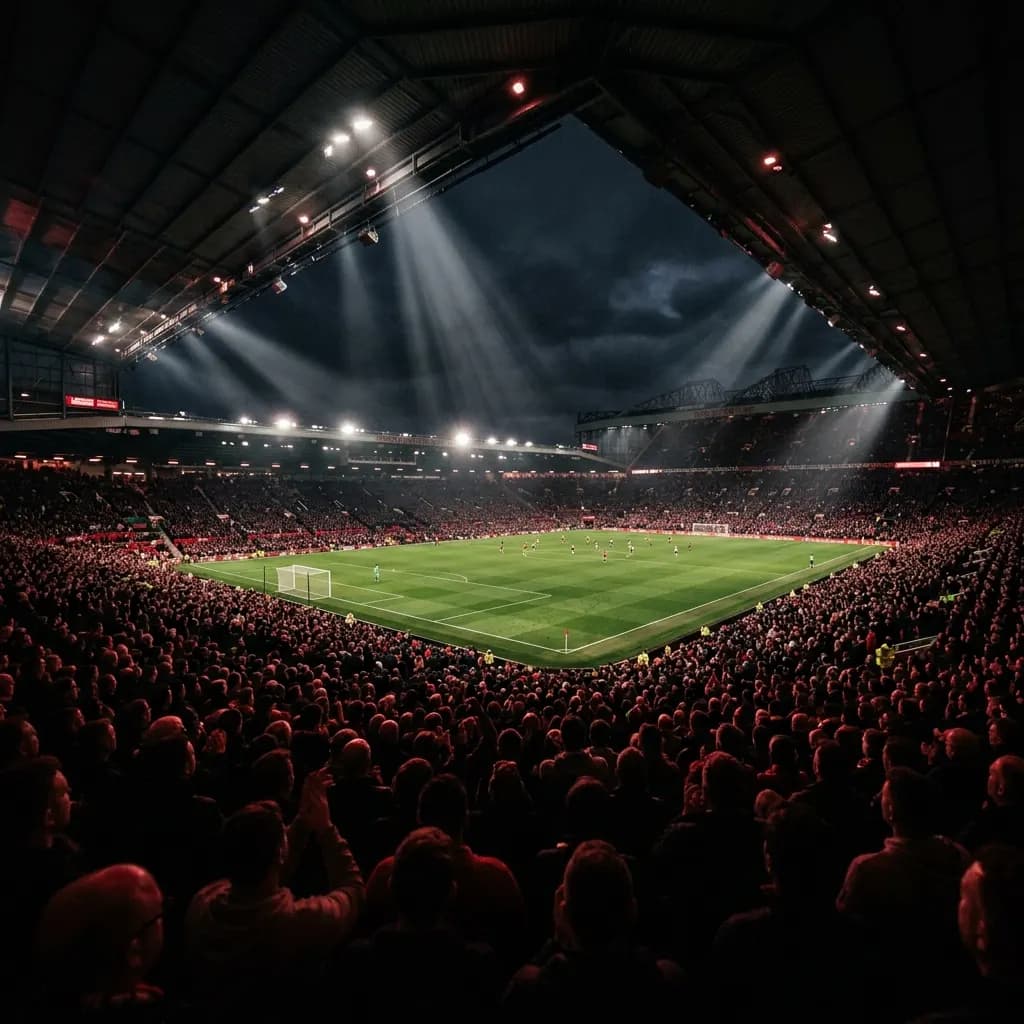
Travel guide: Monterrey
Estadio BBVA Bancomer · Mexico 🇲🇽
Welcome to Monterrey
Monterrey is the industrial heart of northern Mexico and one of the most distinctive host cities of the 2026 FIFA World Cup, the first edition expanded to 48 teams and shared across three nations. Tucked against the dramatic Sierra Madre Oriental, with the iconic Cerro de la Silla rising over the skyline, Monterrey blends modern business-capital polish with deep northern Mexican tradition. Fans arriving here will find a city that takes football seriously, home to two of Liga MX's most passionate fan bases and a stadium widely considered one of the most beautiful in the Americas. Compared with the megacity sprawl of Mexico City or the coastal energy of Guadalajara, Monterrey feels compact, modern, and unmistakably regio. For traveling supporters, it offers world-class infrastructure, an internationally connected airport, and a tournament atmosphere that will spill from stadium gates into mountain-framed plazas across the metropolitan area.
Flights & airport access
Monterrey International Airport (MTY) sits roughly 25 to 30 minutes northeast of the city center in the municipality of Apodaca and serves as the main gateway for World Cup visitors. MTY is one of the busiest airports in Mexico, with strong direct connectivity to major U.S. hubs including Houston, Dallas, Atlanta, Los Angeles, Chicago, and New York, plus extensive domestic links to Mexico City, Guadalajara, Cancun, and Tijuana. European and South American fans will typically connect through Mexico City, Houston, or Dallas. Booking early is strongly advised, as the tournament will compress availability and inflate prices on match weekends. From the airport, the most common ground-transport options are authorized airport taxis with fixed-zone pricing, rideshare apps such as Uber and Didi, and private transfers arranged through hotels. Rental car counters from major international brands are available curbside and are a popular option given Monterrey's car-dependent layout. Plan for heavier-than-usual arrival queues on matchdays, and budget extra time if your flight lands within four hours of kickoff.
Public transit
Monterrey is not built around public transit the way Mexico City is, and visiting fans should plan accordingly. The city operates a small Metrorrey light-rail network with two main lines and a feeder Ecovia bus route, plus a growing system of public buses, but coverage is limited and rarely the most efficient option for tourists. In practice, most World Cup visitors will rely on rideshare apps, taxis, and rental cars to move between hotels, restaurants, and the stadium. Uber and Didi operate widely and are generally affordable by international standards, though surge pricing should be expected on matchdays. The Estadio BBVA Bancomer sits in Guadalupe, a separate municipality east of central Monterrey, roughly a 20 to 35 minute drive depending on traffic. On matchdays, expect dedicated shuttle services from designated park-and-ride lots, road closures around the stadium perimeter, and significantly slower travel times in the final two hours before kickoff. Many fans find it easier to base themselves close to a Metrorrey station for non-matchday exploring and rely on rideshare or organized shuttles for getting to the stadium itself.
Where to stay
Monterrey's hotel landscape gives World Cup visitors several distinct neighborhoods to choose from, each with a different feel. San Pedro Garza Garcia, an affluent municipality just southwest of the city center, is the premium-tier choice, home to upscale international chains, fine dining, and the Valle Oriente business district. It tends to be quieter and safer-feeling for first-time visitors, though prices climb quickly during the tournament. Downtown Monterrey, anchored by the Macroplaza and Barrio Antiguo, offers more mid-range and budget-friendly options and puts fans within walking distance of bars, museums, and nightlife, with strong Metrorrey connectivity. The Valle area along Avenida Vasconcelos is popular with business travelers and offers a good balance of comfort, dining, and easier access to the stadium side of town. Guadalupe, the municipality where Estadio BBVA Bancomer is located, has fewer international-brand hotels but can offer shorter matchday commutes for fans willing to book locally. For the World Cup, booking as early as possible is essential. Rates and availability around match dates will tighten dramatically, and many properties will require multi-night minimums. Fans should compare official hotel websites, aggregator platforms, and FIFA's official accommodation partners, and confirm cancellation policies carefully, as plans can shift if a team's group-stage path changes. Aim to lock in lodging well before your match tickets are confirmed if possible.
Food & local cuisine
Monterrey is a food city in its own right, known for hearty, meat-forward northern Mexican cuisine that differs noticeably from the central and southern styles many visitors expect. The signature dish is cabrito al pastor, slow-roasted young goat traditionally served with tortillas, salsa, and guacamole at long-standing institutions across the city. Carne asada is practically a regional religion, often enjoyed in casual family-style restaurants and weekend backyard gatherings, and machacado con huevo, a dried beef and egg breakfast, is a local staple worth seeking out. For a concentrated dining experience, Barrio Antiguo in the city center offers a walkable mix of traditional cantinas, modern bistros, and craft beer bars, while the San Pedro and Valle areas concentrate higher-end steakhouses, contemporary Mexican tasting menus, and international options at a premium tier. Street tacos, gorditas, and tortas are widely available across all price ranges and rarely disappoint. Save room for regional sweets such as glorias from nearby Linares, and pair meals with a cold local beer or a mezcal flight for a fuller taste of the region.
Things to do (off-day)
Beyond the football, Monterrey rewards visitors who plan one or two off-days. The Macroplaza, one of the largest public squares in the world, anchors the historic center and connects landmarks such as the Cathedral of Monterrey, the Government Palace, and the striking orange Faro del Comercio tower. Adjacent Barrio Antiguo offers cobblestoned streets, street art, and lively bar culture once the sun goes down. Culture-focused fans should prioritize MARCO, the Museum of Contemporary Art, and the Museo de Historia Mexicana, both within easy walking distance of the plaza. For a different pace, Parque Fundidora, a former steel foundry transformed into a sprawling urban park, blends industrial heritage with green space, a lake, biking paths, and the popular Horno3 steel museum. Outdoor lovers have one of Monterrey's true superpowers at their disposal: the Sierra Madre mountains. Parque Ecologico Chipinque offers hiking trails and panoramic city views just outside San Pedro, while Cola de Caballo waterfall and the Grutas de Garcia caves make excellent half-day trips. Adventure seekers can arrange canyoneering or rappelling in nearby Matacanes or La Huasteca. For families and casual sightseers, the Paseo Santa Lucia, a man-made river walk connecting the Macroplaza to Parque Fundidora, is a relaxing way to take in the city. Build in time to simply enjoy a long northern Mexican meal — it is part of the culture.
Weather & what to pack
Fans should arrive prepared for genuine summer heat. Monterrey's June and July climate is hot, dry-to-humid, and intense, with daytime highs frequently in the mid-30s Celsius (mid-90s Fahrenheit) and occasional spikes higher. Nights cool down somewhat but often remain warm, particularly in the city center. Brief but heavy late-afternoon thunderstorms are possible during the summer rainy season, especially in July, so a compact rain shell is worth packing alongside warm-weather essentials. Sun protection is non-negotiable: high-SPF sunscreen, a hat, sunglasses, and a refillable water bottle should be standard kit for any day out, especially around matchdays when fans may queue outside for extended periods. Lightweight, breathable clothing in moisture-wicking fabrics is ideal. If you plan to hike Chipinque or visit La Huasteca, start early in the morning to avoid the worst of the midday heat and bring more water than you think you need.
Matchday tips
On matchday, plan to arrive at Estadio BBVA Bancomer at least two to three hours before kickoff. Traffic into Guadalupe builds quickly, security checks will be thorough under FIFA tournament protocols, and pedestrian access routes may funnel fans through specific gates based on ticket category. Bring your ticket (typically on the official FIFA app), a valid photo ID or passport, and review the prohibited-items list in advance — bags are usually restricted in size and contents. Hydrate before entering, as concession lines can be long. First-time visitors should note that the stadium's design earns its 'Estadio Acerero' nickname and provides striking views of the Cerro de la Silla, so arriving early also means better photos. For ticket information for Liga MX, NFL, and other events at the venue beyond the tournament, refer to the team hubs on this site, and use FIFA.com/tickets for all official World Cup match ticketing.