
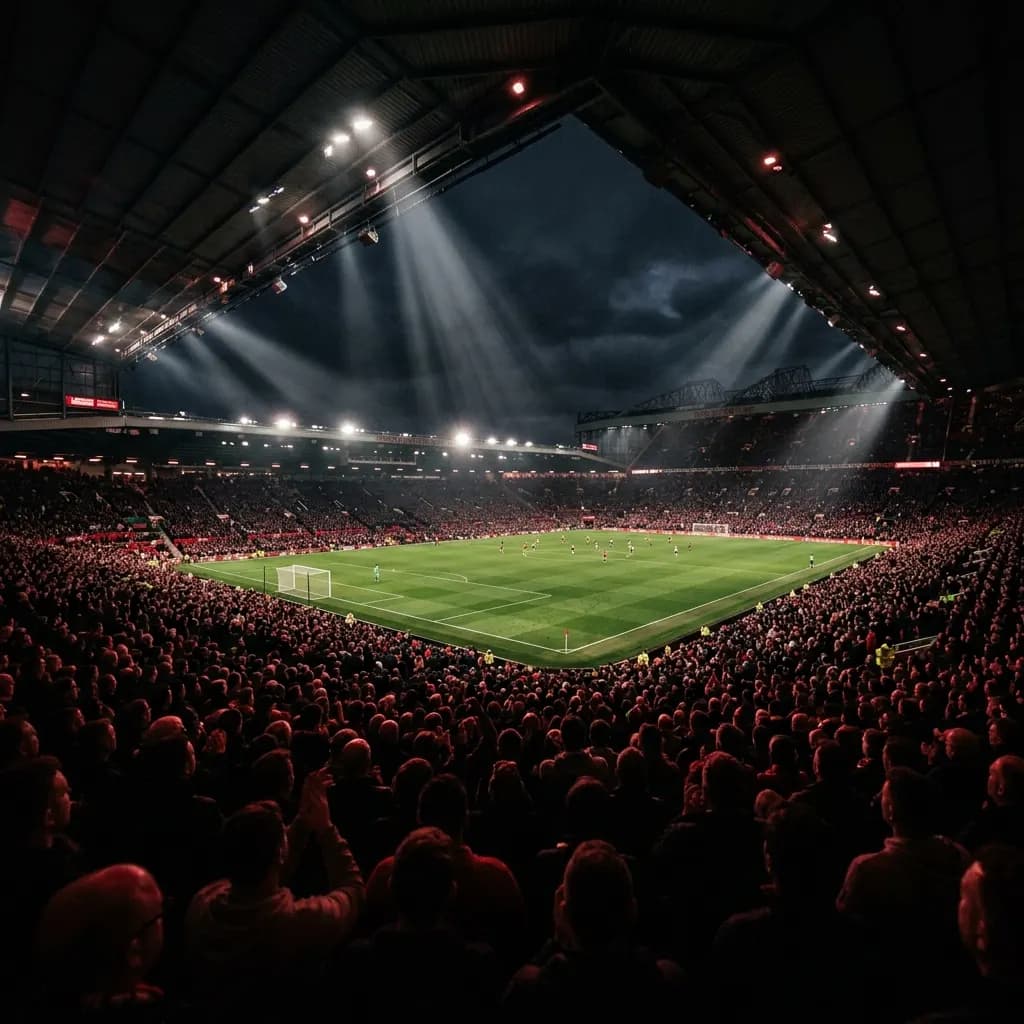
Group Stage Tickets
June 11 – June 27, 2026 · 72 matches
About the Group Stage
The 2026 FIFA World Cup Group Stage runs from June 11 through June 27, opening the largest tournament in the sport's history across the United States, Canada, and Mexico. Forty-eight nations have been drawn into twelve groups of four, and over seventeen days they will contest seventy-two matches in sixteen host cities stretching from Vancouver to Guadalajara to Miami. The expanded format guarantees every qualified country at least three fixtures, transforming the opening phase into a near-daily festival of football with multiple kickoffs scheduled most afternoons and evenings. For traveling supporters and neutral fans alike, this stretch represents the broadest, most accessible window of the tournament, with the lowest demand-to-supply ratio and the widest spread of venues. Group play sets the bracket for the new Round of 32 and decides which nations advance, which exit, and which storylines will define the knockout rounds. Tickets for every Group Stage match are sold exclusively through FIFA.com/tickets, and planning early matters more than in any previous edition of the World Cup given the scale of the host footprint.
Format & qualification
The Group Stage features twelve groups labeled A through L, each containing four nations who play a single round-robin against one another. Every team is guaranteed three matches, producing seventy-two fixtures in total before the field is trimmed for the knockout rounds. Standings are determined first by points, with three for a win, one for a draw, and zero for a defeat. If teams are level on points, FIFA's tiebreakers proceed in order through goal difference, goals scored, head-to-head results, and disciplinary record before a drawing of lots is used as a final measure. The top two finishers from every group advance automatically to the Round of 32, joined by the eight best third-placed teams across all twelve groups, a new wrinkle introduced for the forty-eight-team format. Group Stage matches are decided in ninety minutes plus stoppage time, with draws permitted and no extra time or penalties used at this phase. The structure rewards consistency, punishes a single bad result less harshly than the old format, and keeps third-placed nations alive deep into the final matchday.
Schedule
Group Stage play opens on June 11, 2026 and concludes on June 27, with matches staggered across multiple time zones to accommodate the continental host footprint. The opening days feature one or two showcase fixtures, after which the schedule expands to four matches per day across the middle stretch of the round. Kickoff windows are spread through afternoon and evening slots, often allowing fans to attend or watch multiple games in a single day. Final matchday fixtures within each group are played simultaneously, a long-standing FIFA practice designed to preserve sporting integrity by preventing any team from knowing the result it needs in advance. Exact kickoff times for every fixture are confirmed by FIFA in the months leading up to the tournament and listed on FIFA.com/tickets alongside the corresponding match listings.
Where Group Stage matches are played
The Group Stage is distributed across sixteen host cities spanning three countries, the largest geographic footprint in World Cup history. United States venues include New York/New Jersey, Los Angeles, Dallas, Atlanta, Houston, Boston, Philadelphia, Miami, Seattle, San Francisco Bay Area, and Kansas City. Canada hosts matches in Toronto and Vancouver, while Mexico welcomes fixtures in Mexico City, Guadalajara, and Monterrey. Mexico City's Estadio Azteca makes history as the first stadium to host matches at three different World Cups, while MetLife Stadium in New Jersey is set to anchor the eastern United States schedule. Each host city stages multiple Group Stage matches, giving traveling supporters the option to base themselves in one region and see several fixtures, or chase a single nation across the map. Climate, altitude, and travel logistics vary significantly from cool, sea-level Vancouver to high-altitude Mexico City and humid Houston, factors that will shape both team preparation and fan itineraries. FIFA Fan Festivals are planned in every host city throughout the round.
Group Stage tickets
Tickets for every 2026 FIFA World Cup Group Stage match are sold exclusively through FIFA.com/tickets, the only official source authorized to distribute World Cup inventory. Demand patterns during the Group Stage vary widely depending on the participating nations, the host city, and the matchday window, with marquee opening fixtures and matches involving traditional powers commanding the highest interest. Earlier-round group matches generally sit at the more accessible end of the World Cup pricing scale, with single-match tickets, venue-specific series, and team-specific series among the options offered in FIFA's sales phases. Hospitality packages and accessible seating are also distributed through official FIFA channels. Supporters are strongly encouraged to register for FIFA ticketing accounts well in advance, to monitor official sales windows and random selection draws, and to avoid any third-party resale market, which carries significant counterfeit and entry-denial risk. Planning travel, lodging, and ground transportation alongside ticket purchases is essential given the scale of the host footprint.
Storylines
The Group Stage will set the tone for the entire tournament. Traditional powers will be hunting comfortable openings to manage squad fitness across a long, expanded bracket, while emerging nations making their debuts or first appearances in decades will be playing for legacy from the opening whistle. The new forty-eight-team format means an additional layer of intrigue around the eight best third-placed finishers, keeping previously eliminated nations in contention deep into the round. Group leaders gain meaningful advantages in the Round of 32 bracket, raising the stakes of seemingly low-pressure final-matchday fixtures. Climate, altitude, and travel between host cities will test squad depth in ways previous World Cups have not, making rotation, recovery, and tactical pragmatism central themes through every group.