
Travel guide: San Francisco Bay Area
Levi's Stadium (Santa Clara) · USA 🇺🇸
Welcome to San Francisco Bay Area
The San Francisco Bay Area enters the 2026 FIFA World Cup as one of the tournament's most geographically sprawling host regions, a tech-fueled megalopolis stretching from the fog-wrapped Golden Gate to the South Bay's silicon corridor. Matches will be staged at Levi's Stadium in Santa Clara, roughly 40 miles south of downtown San Francisco, putting fans in the heart of Silicon Valley rather than the postcard city itself. That distance shapes everything about a Bay Area World Cup trip: which airport you choose, where you sleep, how you move on matchday. The region brings together world-class food, Pacific coastline, redwood forests, wine country and one of the most diverse fan bases in North America. With the expanded 48-team format spreading 104 matches across 16 host cities in the United States, Canada and Mexico, the Bay Area is positioned as a major group-stage and knockout venue, drawing supporters from every confederation.
Flights & airport access
San Francisco International (SFO) is the primary long-haul gateway, with direct service from most European, Asian, Latin American and Oceania hubs, making it a natural arrival point for international supporters. Mineta San Jose International (SJC) sits much closer to Levi's Stadium and is often the smarter option for fans focused on matchdays, with strong domestic coverage and a growing slate of international routes. Oakland (OAK) is a third option, useful for budget carriers and easy BART access. From SFO, BART links directly into downtown San Francisco in around 30 minutes, while ride-share, taxi and rental cars are widely available curbside. From SJC, ride-share to Santa Clara hotels is short and inexpensive, and the VTA Light Rail connects the airport area to stadium-zone stops. Driving the Bay Area is straightforward but congested, with US-101 and I-280 connecting San Francisco to Santa Clara. Book flights early; the Bay Area is a peak summer destination even without a World Cup, and capacity tightens quickly around match dates posted on FIFA.com/tickets.
Public transit
Bay Area transit is fragmented but functional once you understand the layers. BART covers San Francisco, Oakland and parts of the East Bay, running fast underground in the urban core. Caltrain is the workhorse for World Cup fans, with frequent service connecting San Francisco's 4th and King station down the Peninsula to Mountain View, where you transfer to VTA Light Rail toward Levi's Stadium. Muni handles streetcars, buses and the iconic cable cars within San Francisco proper. VTA Light Rail and bus serve Santa Clara and the South Bay, including direct stadium access. On matchday, expect significantly expanded Caltrain and VTA service, with special game-day schedules typically published in advance. The Mountain View transfer is the key choke point; arrive with a buffer. The Clipper card works across BART, Caltrain, Muni, VTA and most regional systems and is the simplest way to pay. Rideshare is reliable but surge pricing around kickoff is severe. Many fans staying in San Francisco choose to drive only as a last resort.
Where to stay
The Bay Area offers three distinct hotel strategies for World Cup fans, each with trade-offs. San Francisco itself, particularly Union Square, SoMa and the Embarcadero, delivers the postcard experience: skyline views, walkable neighborhoods, world-class restaurants and nightlife. Expect premium-tier pricing and a longer matchday commute via Caltrain. The Santa Clara and San Jose corridor sits minutes from Levi's Stadium and is the most convenient choice on matchday, with a heavy concentration of business hotels around the airport, downtown San Jose and Santana Row. Pricing here trends mid to upper-tier and will spike sharply around match dates. The Peninsula cities in between, including Burlingame, San Mateo, Redwood City and Mountain View, offer a compromise: Caltrain access to both San Francisco and the stadium, often at more modest pricing than either anchor. East Bay options in Oakland and Berkeley connect via BART and can offer value, though the cross-bay matchday journey adds time. Book as early as possible; Bay Area hotel inventory is structurally tight in summer and World Cup demand will compress availability further. Lock in flexible cancellation where you can, since group-stage draw results and knockout-round matchups can shift travel plans late. Vacation rentals are widely available but check local short-term rental regulations, which vary city by city.
Food & local cuisine
Few regions on the World Cup map can match the Bay Area's food scene. San Francisco's Mission District is the heart of the city's celebrated Mission-style burrito tradition, while Chinatown, one of the oldest and largest in North America, anchors dim sum and regional Chinese cuisine. The Ferry Building Marketplace on the Embarcadero gathers many of the region's best producers under one roof, ideal for a casual lunch with bay views. North Beach offers Italian, the Richmond and Sunset deliver outstanding pan-Asian cuisine, and the Tenderloin is a Southeast Asian destination, particularly for Vietnamese. Across the bay, Oakland's food scene rivals San Francisco's, with strong Ethiopian, soul food and modern California cooking. In the South Bay near the stadium, San Jose's Japantown, downtown Santa Clara and Santana Row provide easy pre-match options, and the broader region's deep Vietnamese, Mexican, Indian, Korean and Filipino communities mean exceptional food at every price point. Signature local items to seek out include sourdough bread, Dungeness crab in season, cioppino, and California-style farm-to-table tasting menus.
Things to do (off-day)
Off-day options in the Bay Area run from iconic to genuinely off-the-beaten-path. In San Francisco, walking or cycling across the Golden Gate Bridge is a must, paired with a visit to the Presidio, the Palace of Fine Arts and Crissy Field. Alcatraz Island tours sell out weeks ahead, so book early. Golden Gate Park is enormous and houses the de Young Museum, the California Academy of Sciences and the Japanese Tea Garden. The cable cars, Fisherman's Wharf and the Mission's mural-lined alleys round out the urban itinerary. Beyond the city, Muir Woods offers ancient coastal redwoods within an easy drive, and the Marin Headlands deliver the classic Golden Gate view from above. Wine country in Napa and Sonoma is roughly 90 minutes north and works as a long day trip or overnight. The Pacific Coast Highway south through Half Moon Bay and on toward Santa Cruz is one of the great coastal drives in the world. In the South Bay, the Computer History Museum in Mountain View, the Winchester Mystery House in San Jose and Stanford University's campus in Palo Alto offer accessible day plans close to the stadium. For ticket information on local teams and other sporting events during your trip, see the team hubs on this site.
Weather & what to pack
Bay Area summers are famously contradictory. San Francisco itself is often cool and foggy in June and July, with daytime highs frequently in the 60s and a marine layer that can roll in by afternoon, particularly along the coast and through the Golden Gate. Mark Twain's quip about the coldest winter being a San Francisco summer exists for a reason. Just 40 miles south at Levi's Stadium, the climate is dramatically different: Santa Clara sits in a sun-baked inland valley where matchday highs in the 80s or low 90s are routine, with strong sun and minimal cloud cover. Pack layers: shorts and sunscreen for the stadium, a windbreaker or fleece for the city, comfortable walking shoes throughout. Rain is unlikely in either microclimate. Hydration matters at Levi's; bring a refillable bottle if stadium policy allows.
Matchday tips
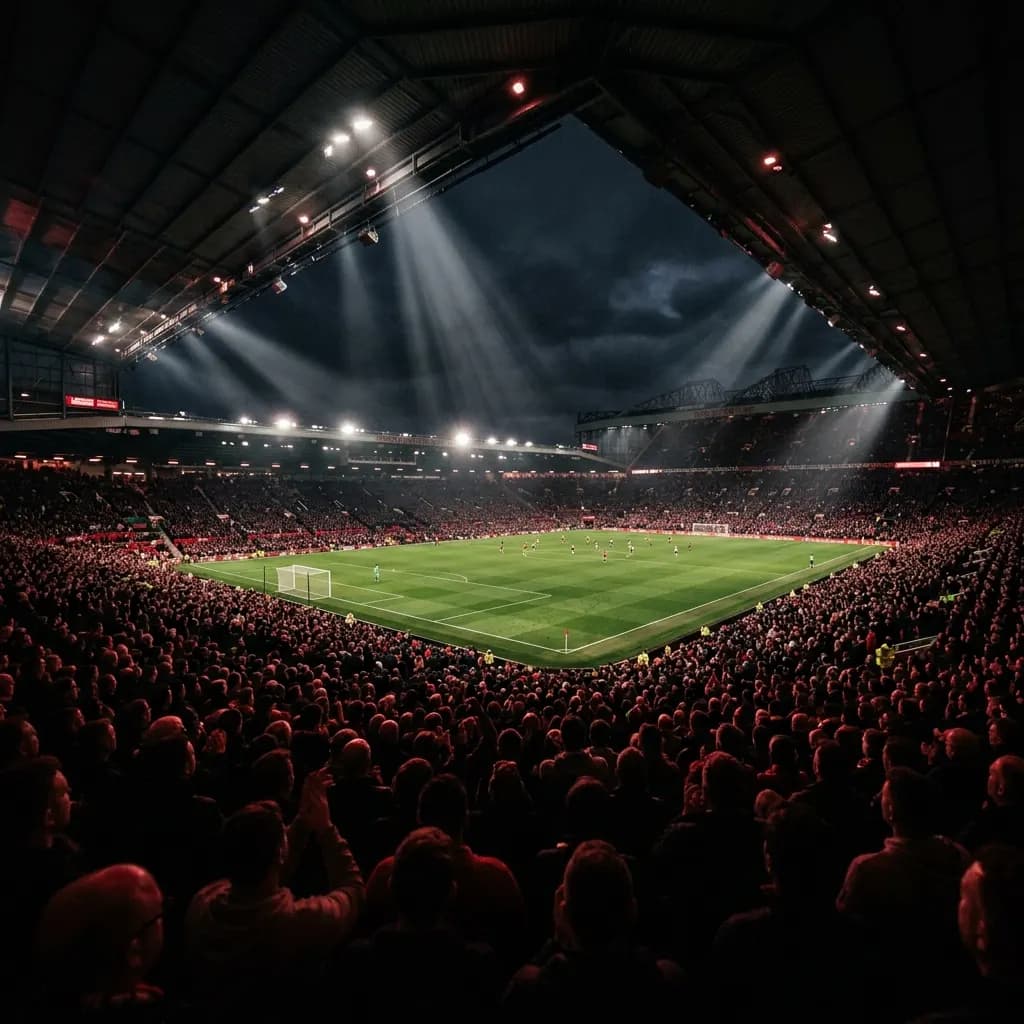
Levi's Stadium sits in Santa Clara with parking, light rail and rideshare zones on the perimeter. Plan to arrive at least 90 minutes before kickoff to clear FIFA security screening, which will be more rigorous than a typical NFL matchday. The venue uses metal detectors and a clear-bag policy is standard for major tournaments. Check FIFA.com/tickets for the current bag rules, prohibited items and mobile-ticket instructions before you travel. VTA Light Rail drops fans at Great America Station, a short walk to the stadium gates and the simplest transit option from San Jose and the Caltrain transfer at Mountain View. Driving fans should pre-book parking and expect heavy post-match traffic on US-101. Cash is rarely needed; concessions and merchandise are largely cashless.