
Travel guide: Seattle
Lumen Field · USA 🇺🇸
Welcome to Seattle
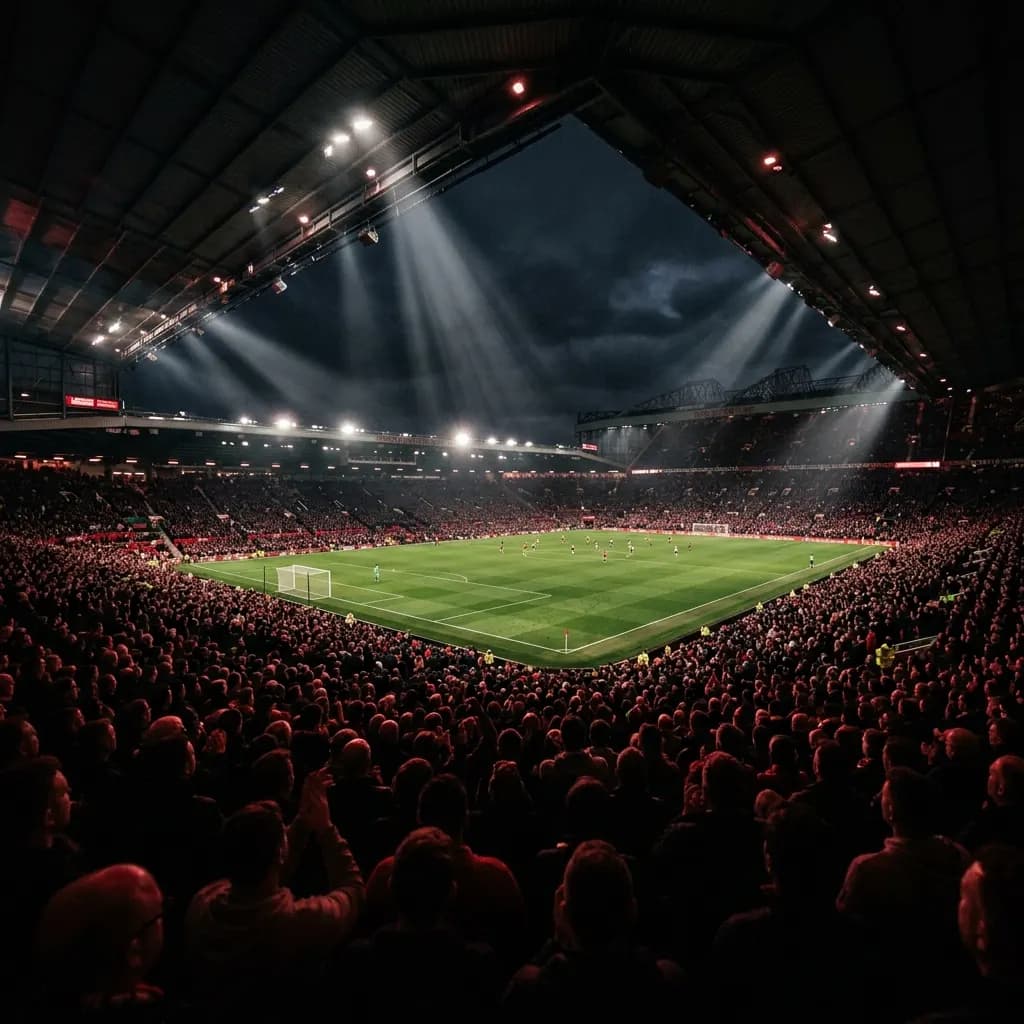
Seattle steps onto the global stage as one of sixteen host cities for the 2026 FIFA World Cup, the first edition of the tournament to be co-hosted by three nations: the United States, Canada, and Mexico. With 48 teams and 104 matches spread across North America, the expanded format makes this the largest World Cup in history. Seattle is unique among 2026 hosts thanks to its Pacific Northwest setting, its passionate soccer culture rooted in the Sounders fan base, and a downtown core that places its host venue, Lumen Field, within walking distance of the waterfront, transit hubs, and the city center. Few World Cup cities offer mountains, sea, and stadium in the same skyline. For traveling fans, Seattle promises a blend of mild summer weather, walkable neighborhoods, and a soccer-savvy local community that already treats matchdays as civic events worth dressing up for.
Flights & airport access
Most international fans will arrive at Seattle-Tacoma International Airport (SEA), located roughly 14 miles south of downtown Seattle. SEA is a major hub for Alaska Airlines and Delta, with nonstop service from across North America, Europe, Asia, and Oceania, making it one of the more accessible host airports in the 2026 tournament. Travelers from Latin America may connect through Los Angeles, Dallas, or Mexico City. Book flights as early as possible: airfares into host cities historically spike sharply in the weeks before kickoff, with the steepest premium tier hitting the final month. Ground transport from SEA is unusually straightforward. The Link light rail station is connected to the main terminal via a covered walkway and offers a direct, modestly priced ride into downtown Seattle in roughly 40 minutes. Rideshare and taxis are available from designated pickup zones on the airport's third floor, though matchday surge pricing will be steep. Rental cars are not recommended for fans staying in the urban core, where parking is limited and expensive.
Public transit
Seattle has invested heavily in transit ahead of 2026, and fans without a car will find the city very manageable. The backbone is Sound Transit's Link light rail, which connects SEA airport directly to downtown, the stadium district, Capitol Hill, the University of Washington, and other key neighborhoods. King County Metro buses, the South Lake Union and First Hill streetcars, the Seattle Center Monorail, and Washington State Ferries fill in the rest. A reloadable ORCA card or the ORCA mobile app works across all regional systems and is the simplest way to pay. On matchdays, expect Sound Transit to run additional Link trains before and after kickoff, with the Stadium and International District/Chinatown stations serving as the primary drop-offs for Lumen Field. Both stations sit within a short walk of the venue. Arrive early: queues at the platforms after the final whistle can be long, and security lines around the stadium perimeter will be tighter than for a typical MLS or NFL game. Fans staying in Bellevue or further south can also use Sounder commuter rail on select dates.
Where to stay
Seattle's hotel inventory is concentrated in a handful of distinct zones, each with trade-offs. Downtown and the adjacent Pioneer Square neighborhood put fans within walking distance of Lumen Field, Pike Place Market, and the waterfront, and are the most convenient choice for matchdays. Expect premium tier pricing here, especially in the days surrounding Seattle's scheduled fixtures. Belltown, just north of downtown, offers a slightly more relaxed atmosphere with strong restaurant and bar options, while South Lake Union, anchored by the tech corridor, leans modern and business-class. Capitol Hill is the nightlife and independent-restaurant heart of the city and connects to downtown via a short Link ride, making it a popular pick for fans who want atmosphere over proximity. For more modest pricing, look at the University District, Ballard, or across Lake Washington in Bellevue and Redmond, both of which are reachable by light rail or express bus. Book as early as possible. Host-city hotel inventory tends to sell through in waves: the first wave when the match schedule is confirmed, the second when group-stage draws are made, and the third in the final weeks as fans whose teams advance scramble for rooms. Short-term rentals are legal but tightly regulated in Seattle, so verify any listing's permit status before paying. Refundable rates are worth the small premium given that knockout-round travel plans depend on results.
Food & local cuisine
Seattle's food scene punches well above its size and reflects its location on the Pacific Rim. Signature local specialties include wild Pacific salmon, Dungeness crab, oysters from Hood Canal and Willapa Bay, and Seattle-style teriyaki, a homegrown takeaway tradition. Pike Place Market remains the obvious starting point for visiting fans: small producers, fishmongers, and counter-service stalls run from breakfast through late afternoon, and the surrounding blocks are dense with sit-down options. Capitol Hill is the city's strongest neighborhood for independent restaurants, with a deep bench of Vietnamese, Filipino, Ethiopian, and Pacific Northwest tasting menus. The Chinatown-International District, a short walk from Lumen Field, is essential for dim sum, pho, hand-pulled noodles, and Japanese izakaya. Ballard offers Nordic-influenced bakeries and seafood-focused dinners, while the Central District has emerged as a hub for Black-owned restaurants worth a detour. Coffee is a civic religion: skip the chains and try the third-wave roasters that put Seattle on the global map. Pricing ranges from modest market stalls to high-end waterfront dining.
Things to do (off-day)
Seattle rewards fans willing to build off days into their trip. Start with Pike Place Market, the Seattle waterfront, and a ride up the Space Needle for a Puget Sound panorama on a clear day. The Chihuly Garden and Glass exhibit next door is an easy add-on, and the nearby Museum of Pop Culture (MoPOP) covers music, film, and gaming with a distinctly Pacific Northwest sensibility. The Seattle Art Museum downtown and the smaller, free-entry Olympic Sculpture Park along the water are both worth a couple of hours. For neighborhood walking, Pioneer Square mixes historic architecture with galleries and bars, while Capitol Hill, Fremont, and Ballard each have their own character and weekend markets. Fans seeking nature can take a ferry from the downtown terminal to Bainbridge Island for a half-day escape, ride Link to the University of Washington and walk the Arboretum, or drive east into the Cascades for a day hike at Snoqualmie Falls or Mount Si. Mount Rainier National Park and Olympic National Park are both ambitious but doable as long single-day trips with an early start. Soccer fans should consider catching a Seattle Sounders or OL Reign match if the schedule aligns; the team hubs on this site cover ticket options. For tournament tickets, refer to FIFA.com/tickets.
Weather & what to pack
Seattle's reputation for rain is largely earned, but June and July are the city's driest and sunniest months, which is part of why the region is well suited to a summer tournament. Expect daytime highs that are pleasantly warm rather than hot, with cooler mornings and evenings courtesy of Puget Sound. Brief showers are possible but unlikely to disrupt matches, and humidity stays low. Pack in layers: a light waterproof shell, a sweater or hoodie for evenings, comfortable walking shoes for the city's hills, sunglasses, and sunscreen, since UV levels can be surprisingly high on clear days. A refillable water bottle is useful given Seattle's walkable distances. If you plan to hike or take a ferry, bring an extra warm layer; conditions on the water and at elevation can shift quickly.
Matchday tips
On matchday, plan to arrive at Lumen Field at least 90 minutes to two hours before kickoff. FIFA security perimeters are larger than for domestic league fixtures, and bag policies will be stricter, so travel light and check the official guidance before leaving your hotel. The Stadium and International District/Chinatown light rail stations are the easiest approaches; walking from downtown takes 15 to 25 minutes and is pleasant in summer. Pioneer Square's bars and restaurants fill up early on matchdays and offer the best pre-match atmosphere. Inside the stadium, mobile ticketing will be standard, so confirm your device is charged and your tickets are downloaded in advance. After the final whistle, expect crowded transit platforms; staying for a post-match drink in Pioneer Square or the International District is often faster than rushing the trains.