
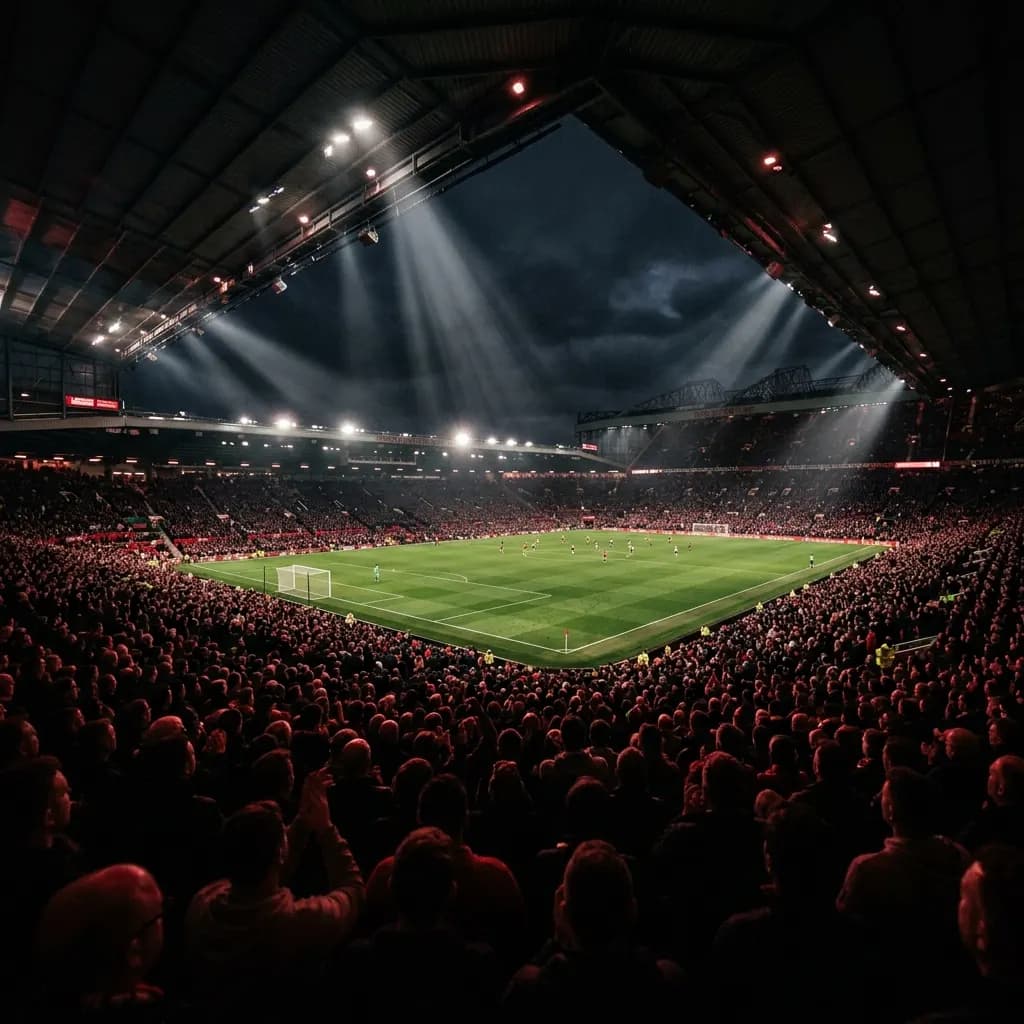
Estadio Azteca
Mexico City · Mexico 🇲🇽 · Home of Club América / Mexico National Team
About Estadio Azteca
Estadio Azteca is the spiritual home of Mexican football and one of the most storied venues in the global game. Opened in 1966 in the Santa Ursula neighborhood of southern Mexico City, the stadium has long served as the permanent home of Liga MX giant Club América and the primary host of the Mexico men's national team. In 2026, Azteca cements a piece of history that no other ground can match: it will become the only stadium ever to host matches at three different men's FIFA World Cups, having previously welcomed the world in 1970 and 1986. The tournament's opening match is scheduled here on June 11, 2026, putting Mexico City at the very center of the global sports calendar for a day. Set at roughly 7,200 feet above sea level, the stadium's altitude, sweeping bowl, and famously vocal crowd combine to create one of the most distinctive matchday environments in world football. For 2026, expect Azteca to feel less like a venue and more like a cathedral.
Matches hosted
Estadio Azteca's headline assignment in 2026 is the tournament's opening match on June 11, the ceremonial kickoff of the expanded 48-team World Cup. Beyond that marquee fixture, the stadium is expected to host a slate of group-stage matches, with Mexico's national team anchoring the home schedule in the early rounds. Knockout-round usage at Azteca in the round of 32 and round of 16 is also part of the venue's confirmed role within FIFA's Mexico City cluster. The full match list, opponents, and exact dates are published and continuously updated on FIFA's official channels. Because Mexico is one of three host nations, supporters should expect a mix of CONCACAF, South American, European, and intercontinental fixtures across Azteca's slate, giving traveling fans from multiple confederations a reason to plan a Mexico City stop during the group phase.
Getting there
Estadio Azteca sits in the Coyoacan borough in southern Mexico City, roughly 12 miles from the historic city center and 14 miles from Mexico City International Airport (MEX). The most reliable matchday option is the city's public transit network. The Tren Ligero light rail line connects from the Tasquena Metro station directly to the Estadio Azteca stop, which is a short walk from the southern gates. Metro Line 2 (blue) connects central Mexico City to Tasquena, making the combined Metro plus Tren Ligero ride the fastest way in from downtown hotels.
## Driving and rideshare
Driving on a World Cup matchday is not recommended. On-site parking is limited, rolling road closures are common, and traffic on Calzada de Tlalpan, Periferico, and Anillo Periferico will be congested for hours before kickoff. Rideshare is widely available but expect surge pricing and designated pickup and drop-off zones positioned several blocks from the stadium perimeter.
## From the airport
From MEX, the simplest path is Metro Line 5 to Pantitlan, then transferring toward Tasquena, or taking an authorized airport taxi or rideshare directly to a hotel and using transit from there. Plan to arrive at the venue two and a half to three hours before kickoff to clear security and acclimate to the altitude.
Where to stay
Most international visitors base themselves in central Mexico City rather than directly next to Estadio Azteca, since the southern stadium district is primarily residential. The most popular hotel zones for World Cup travelers are **Polanco**, **Roma Norte**, **Condesa**, **Zona Rosa**, and the **Centro Historico**. Polanco offers the highest concentration of international-brand and luxury hotels along Avenida Presidente Masaryk, with strong restaurant and walkability ratings. Roma Norte and Condesa skew younger, with boutique hotels, design-forward properties, and dense cafe and nightlife scenes. The Centro Historico places guests within walking distance of the Zocalo, Templo Mayor, and the Palacio de Bellas Artes, ideal for sightseeing days between matches.
Closer to the stadium itself, Coyoacan and San Angel offer charming neighborhood stays, plus a shorter transit ride on matchday. Pricing during the World Cup window will run well above standard rates across all zones, with rooms in Polanco and Centro skewing premium. Travelers booking later in the cycle should expand the search to include serviced apartments and short-term rentals in Del Valle and Narvarte for better value and reasonable transit access to Azteca.
Seating & sightlines
Estadio Azteca is a classic open-air bowl with no roof over the field and only partial cover for the upper deck seats, meaning sightlines are unobstructed but exposure to sun and weather varies sharply by section. The stadium's redevelopment for 2026 reshapes parts of the lower bowl and adds modernized premium seating, but the fundamental geometry of a steep, fully enclosed bowl with stands wrapped tightly around the pitch is preserved.
## Where the best views sit
* **Lower-tier sideline sections (Preferente and Plateas)** offer the closest field-level perspective and the strongest sense of atmosphere from the supporter sections. * **Mid-level center sideline** seats deliver the cleanest tactical view of the full pitch, often the preferred area for neutral fans tracking shape and movement. * **Upper-tier sideline** sections sit higher than at many modern stadiums due to the steep rake, but the angle is excellent and the partial cover offers some shade. * **End-zone seats behind the goals** are where the loudest singing sections traditionally live, ideal for fans prioritizing crowd energy over pure tactical view.
Matchday experience
Gates at Estadio Azteca typically open two and a half hours before kickoff for major fixtures, and World Cup security screening will add time on top of standard club-match procedure. Arrive early. FIFA's bag policy will restrict large backpacks, professional cameras, and outside food, with clear-bag guidance published in the lead-up to the tournament. Entry is ticket-and-ID based, and mobile tickets through FIFA's official app are expected to be the primary delivery method.
## Food, drink, and atmosphere
Concessions inside Azteca lean classic Mexican stadium fare: tortas, tacos, elotes, micheladas, and standard beer and soft drinks. Lines run long, so eat before entering when possible. The pre-match scene around the stadium gates features street vendors, jersey sellers, and informal supporter gatherings rather than a single organized fan zone.
## First-timer tips
* Hydrate aggressively. The 7,200-foot altitude affects energy and alcohol tolerance. * Bring sun protection for day matches. Lower bowl seats are largely uncovered. * Cash is useful for vendors outside the gates, though card payments are common inside. * Stay for the postmatch crowd flow rather than rushing to a single transit exit.
Weather & climate
June and July in Mexico City fall within the city's rainy season, which means warm but not hot daytime temperatures paired with a real possibility of afternoon and evening thunderstorms. Typical daytime highs sit in the mid 70s to low 80s Fahrenheit, with overnight lows in the mid 50s. Humidity is moderate, and the high-altitude sun feels much stronger than the temperature suggests, especially for fans in uncovered lower-bowl seats.
Rain showers in June typically develop in the late afternoon and clear within an hour, but they can be intense. Pack a light waterproof layer for evening kickoffs, sunscreen for day matches, and comfortable shoes for walking between transit stops. The biggest weather factor is not heat or rain but altitude: at 7,200 feet, dehydration and fatigue arrive faster than visitors expect. Drink water steadily through the day and consider arriving in Mexico City at least 48 hours before kickoff.
Tickets
Official 2026 FIFA World Cup tickets for Estadio Azteca are sold exclusively through FIFA's official channels at **FIFA.com/tickets**, including the random selection draws, first-come-first-served sales windows, and any late-release inventory. Pricing varies by category, match round, and seating location, with the opening match and knockout-stage fixtures commanding premium tiers. Accessible seating, companion seats, and sensory-friendly options are available through FIFA's accessibility ticketing process. Hospitality packages, including premium seating, in-stadium lounges, and curated matchday experiences, are sold through FIFA's official hospitality program. Travelers should verify ticket-holder ID requirements, FAN ID rules, and entry policies on FIFA's official site before arrival.