
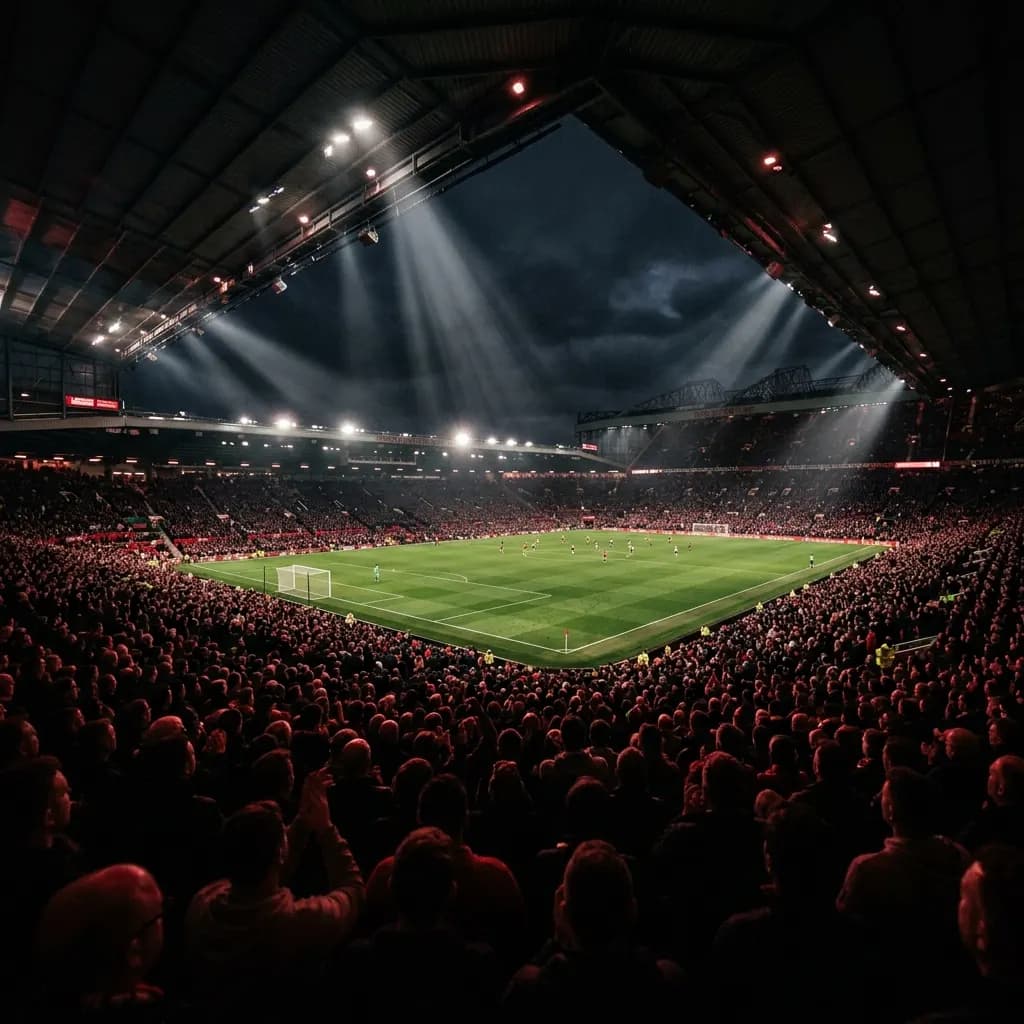
MetLife Stadium
East Rutherford, NJ · USA 🇺🇸 · Home of NY Giants / NY Jets
About MetLife Stadium
MetLife Stadium sits in the Meadowlands Sports Complex in East Rutherford, New Jersey, roughly five miles west of Midtown Manhattan. Opened in 2010 as the shared home of the New York Giants and New York Jets, it replaced the original Giants Stadium on the same site and has since become one of the most-used large-capacity venues in North American sport. Across its lifetime it has hosted Super Bowl XLVIII, WrestleMania, college football showcases, and stadium tours from the biggest names in global music. For the 2026 FIFA World Cup, MetLife steps into the role it was built for at this scale: the tournament's centerpiece venue. It will stage a full slate of matches across the group stage and knockouts before hosting the World Cup Final on July 19, 2026. That single fixture cements MetLife's place in the global football conversation and makes the New York/New Jersey metropolitan area the gravitational center of the closing week of the tournament for fans traveling from every confederation.
Matches hosted
MetLife Stadium is scheduled to host a heavyweight share of the 2026 tournament, with matches spread across the group stage and deep into the knockout rounds. The headline fixture is the World Cup Final on July 19, 2026, the first men's World Cup final ever played in the New York metropolitan area. Around that, expect a mix of group-stage games featuring marquee nations, plus a knockout-round match in the back half of the bracket as the field narrows. The venue's capacity, broadcast infrastructure, and location inside the largest U.S. media market make it a natural fit for high-demand fixtures. For confirmed kickoff times, opponents, and the official match schedule as the draw unfolds, refer to FIFA.com/tickets and the official tournament schedule pages.
Getting there
MetLife Stadium is not in New York City itself, but it is very well connected to it. The most popular matchday route from Manhattan is NJ Transit's Meadowlands Rail Line, which runs from New York Penn Station to Secaucus Junction, where fans transfer to a dedicated shuttle train that drops off directly at the stadium. Expect heavy crowds on this route on match days and build in extra time for transfers and security screening. From New Jersey, Routes 3, 17, and the New Jersey Turnpike (Exit 16W) all funnel into the Meadowlands Sports Complex, but matchday traffic is consistently the biggest pain point of the venue — leave significantly earlier than you would for a normal sporting event. Onsite parking is extensive but typically pre-sold for marquee events, and the lots open hours before kickoff for tailgating. Rideshare drop-off zones operate but can experience long queues at full time. For air travel, Newark Liberty International (EWR) is the closest major airport at roughly a 25-minute drive in light traffic. LaGuardia (LGA) and JFK are accessible from Queens via cross-Manhattan transfers, and many international fans connecting through New York will route through one of those three. Once you arrive at the complex, signage and stewarding around the stadium perimeter are well-established from decades of NFL operations.
Where to stay
Because MetLife sits in a sports complex rather than a traditional downtown, there is no single 'stadium district' of hotels right next to the venue, but several zones work well. **Secaucus and the Meadowlands** offer the closest cluster of mid-range and business-class hotels, with quick access to the NJ Transit shuttle and short drives to the complex. **Jersey City and Hoboken** put you on the PATH and ferry lines into Manhattan, with strong restaurant and bar scenes and direct rail connections that feed Secaucus Junction. **Midtown Manhattan** is the most expensive option but the most convenient for fans combining matchdays with sightseeing, given the direct Penn Station to Secaucus connection. **Newark** is another sensible base, particularly for fans flying in and out of EWR, with newer hotel inventory near the airport and downtown. Expect demand and pricing to spike sharply around the Final and any U.S. national team fixtures; booking early and being flexible on neighborhood will materially improve your options. Multi-night minimums are common around the closing weekend.
Seating & sightlines
MetLife Stadium is an open-air, fixed-roof-free bowl — there is no roof and no retractable cover, so every seat is exposed to the elements. The bowl is symmetrical and steep enough that sightlines are strong from almost every section, a function of the venue being designed for NFL geometry and adapted for soccer's wider, longer pitch. The lower bowl, particularly along the sidelines, offers the best feel for the speed of the game, while the **club level** wraps the stadium at mid-height and provides covered concourses and upgraded concessions. Suites occupy two ring levels above the club. The upper bowl is large and rises sharply, but the seats are angled toward the field and provide a strong tactical view — ideal for fans who want to read the shape of the game. For World Cup matches, the running track and field-level signage will be reconfigured to FIFA specifications. End-zone seats become true behind-the-goal sections, and corner seats around the lower bowl tend to deliver some of the best atmosphere as supporter groups gather there.
Matchday experience
Plan to arrive at the complex at least two hours before kickoff. FIFA security screening is more thorough than typical NFL screening, and bag restrictions will follow the tournament's clear-bag policy — check FIFA.com/tickets for the current rules before you travel. Multiple gates ring the stadium and are mapped to specific seating sections; your ticket will direct you to the closest gate, and using the assigned one materially shortens entry time. Concessions inside the venue cover a strong spread of American stadium staples plus expanded international and New York-area food options for the World Cup, and most points of sale are cashless. Alcohol is available on most levels. The atmosphere on big matchdays at MetLife is loud and partisan, and the Meadowlands has a long tradition of tailgating in the surrounding parking lots, which will be active for World Cup fixtures as well. First-time visitors should note that exiting after the match is slow by design — both the rail shuttle and the highway ramps meter the crowd — and patience pays off.
Weather & climate
The 2026 World Cup runs from mid-June through mid-July, which is peak summer in the New York metropolitan area. Expect daytime highs typically in the upper 70s to upper 80s Fahrenheit (mid-20s to low 30s Celsius), with humidity that can make the perceived temperature noticeably warmer. Evening kickoffs are usually more comfortable, but the bowl retains heat and direct sun hits much of the seating bowl during afternoon fixtures. Summer thunderstorms are common in the region and can be intense but typically short-lived; matches may be paused for lightning under FIFA protocols. There is no roof, so plan for sun protection during day games and a light layer or rain shell for evening matches. Hydration is the most underrated piece of matchday preparation here.
Tickets
Official 2026 FIFA World Cup tickets are sold exclusively through FIFA.com/tickets, including general sale, hospitality, and accessibility seating. MetLife Stadium offers a full range of accessible seating locations distributed throughout the bowl, with companion seats and step-free access from designated entrances; request these directly through the official FIFA channel rather than the resale market. Hospitality packages — including premium clubs, suites, and on-site dining experiences — are sold through FIFA's official hospitality program. Demand for MetLife fixtures, particularly the Final, is expected to be among the highest of any venue in the tournament, so creating a FIFA account early and watching application windows closely is the most reliable path to seats.