
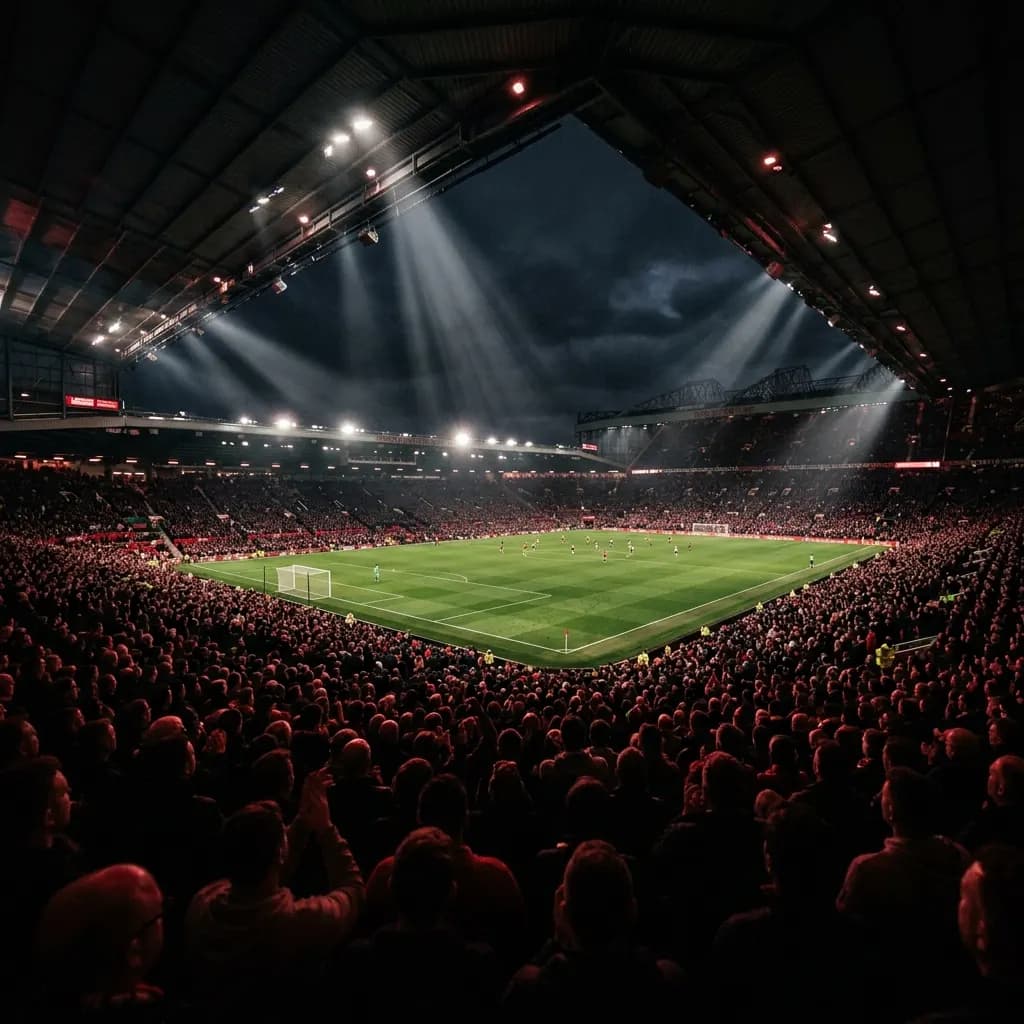
Travel guide: Toronto
BMO Field (expanded to ~45k) · Canada 🇨🇦
Welcome to Toronto
Toronto enters the 2026 FIFA World Cup as Canada's largest host city and one of three Canadian venues sharing the tournament with the United States and Mexico. The 48-team format brings an expanded group stage and round of 32, and Toronto is set to host a slate of group-stage fixtures at BMO Field, a lakeside venue temporarily expanded to roughly 45,000 seats for the occasion. What makes Toronto unique among 2026 hosts is its compact, transit-friendly downtown core paired with one of the most multicultural fan bases on the continent. Visiting supporters will hear their own languages spoken in neighborhoods across the city and find authentic food from nearly every footballing nation within a short streetcar ride of the stadium. Pair that with a walkable waterfront, mature hospitality infrastructure and a temperate North American summer, and Toronto sits among the most accessible host cities of the entire tournament.
Flights & airport access
Toronto is served primarily by Toronto Pearson International Airport (YYZ), Canada's busiest hub and a major gateway for transatlantic, transpacific and U.S. domestic traffic. Pearson sits roughly 25 kilometers northwest of the downtown core and offers two terminals connected by an automated people mover. The smaller Billy Bishop Toronto City Airport (YTZ), located on an island just off the waterfront, handles regional flights from select U.S. and Canadian cities and is the fastest option for fans heading straight to BMO Field, which sits within walking distance of the airport ferry. From Pearson, the UP Express train runs frequently to Union Station downtown in about 25 minutes and is the most reliable matchday option, bypassing highway congestion that worsens significantly during the tournament. Taxis, rideshare and the public 192 Airport Rocket bus are alternatives, but expect surge pricing and slow surface traffic in June and July. International arrivals should budget extra time for customs and biometric processing, which Canadian authorities have flagged for additional World Cup screening. Book flights early; Toronto-bound fares for matchday windows are projected at premium tier ($$$$$) pricing.
Public transit
Toronto's public transit network is operated by the TTC, with regional rail and bus service from GO Transit and Metrolinx layered on top. The system covers subways, streetcars and buses, and a single fare unlocks transfers across the network using the contactless PRESTO card or open-loop tap-to-pay with a credit card. For BMO Field, the matchday workhorse is GO Transit's Exhibition station, which sits a short walk from the stadium gates and is served by frequent Lakeshore West trains running east and west of downtown. The 509 Harbourfront streetcar also runs directly into Exhibition Place from Union Station and is the most scenic option, hugging the waterfront the entire way. Expect both routes to run augmented service on match days, with crowd-control measures, dedicated entry lanes and possible street closures around Exhibition Place. Plan to arrive at least 90 minutes before kickoff to clear queues, especially for evening fixtures when commuter traffic overlaps with matchday flow. Pedestrian routes from Liberty Village and King Street West are also viable and often faster than waiting for a packed streetcar after the final whistle.
Where to stay
Toronto's hotel inventory is concentrated in three primary zones, each with a different feel and price point. The Entertainment District and Financial District, anchored by King Street and Front Street, offer the largest concentration of full-service international brands and put fans within walking or short-streetcar distance of BMO Field, Union Station and the waterfront. This is the premium tier ($$$$$) zone during the tournament and the most convenient for fans attending multiple matches. Just west, Liberty Village and Parkdale offer a denser cluster of boutique stays, serviced apartments and short-term rentals, all within a 20-minute walk of the stadium and well connected by the King and Queen streetcar lines. North of downtown, the Yorkville and Bloor-Yonge corridor leans upscale and quieter, with quick subway access south to Union and a deeper restaurant scene. Budget-conscious travellers should look at the east end, Leslieville and the Junction, where modest options remain available but require longer transit rides. Book as early as possible; Toronto hotel rates spike sharply for major events and the World Cup matchday windows are expected to sell out 6 to 12 months in advance. Travellers should also confirm cancellation policies carefully, as many properties shift to non-refundable terms during the tournament. Cross-reference hotel locations against the official FIFA match schedule before committing to specific nights, since group-stage kickoff times can vary widely between afternoon and evening slots.
Food & local cuisine
Toronto's food scene is shaped by waves of immigration, and the World Cup is the rare event where almost every visiting nation can find a credible taste of home. Within a short streetcar ride of BMO Field, Liberty Village and King West offer upscale gastropubs and modern Canadian dining, while Queen West and Ossington lean into independent kitchens and natural wine bars. For breadth, head to Kensington Market and Chinatown, where Caribbean roti, Vietnamese pho, Tibetan momos and Portuguese churrasco sit on the same block. Little Italy along College Street, Greektown on the Danforth, Koreatown on Bloor and Little India on Gerrard are all easy detours by streetcar or subway. Signature local items worth seeking out include peameal bacon sandwiches at St. Lawrence Market, butter tarts from neighborhood bakeries, and Toronto's distinctive multicultural take on the cocktail bar. Pricing spans the full spectrum from modest food-court counters to premium tier ($$$$$) tasting menus, so fans can build a matchday budget around almost any preference. Reservations on match nights are strongly recommended.
Things to do (off-day)
Toronto rewards visitors who build in at least one off-day around their match. The CN Tower remains the city's signature attraction, with observation decks, a glass floor and the EdgeWalk hands-free walk around the exterior of the main pod for those who want a story to take home. Next door, Ripley's Aquarium of Canada and Rogers Centre, home of the Blue Jays, anchor the downtown entertainment cluster, and walking tickets to all three is the easiest half-day plan. The waterfront itself is the city's underrated headline act: Harbourfront Centre, the Toronto Islands ferry and the Martin Goodman Trail along Lake Ontario give visitors quiet green space within sight of the skyline. The Distillery District offers cobblestone streets, galleries and patios, while the Royal Ontario Museum and Art Gallery of Ontario satisfy a more cultural afternoon. Sports fans can pair matchday with a Blue Jays baseball game at Rogers Centre or check the team hubs on this site for tickets to other professional teams in town during the tournament window. For neighborhood walking, Kensington Market, Queen Street West and Leslieville each offer a distinct character. If a day trip is on the table, Niagara Falls is roughly two hours away by GO Train and bus and remains one of the most visited natural attractions on the continent. Confirm any World Cup-window venue tickets in advance, as demand surges across the city.
Weather & what to pack
Toronto in late June and July is warm, humid and generally bright, though far from predictable. Daytime highs typically sit in the mid to high 20s Celsius (high 70s to high 80s Fahrenheit), with overnight lows in the high teens. Humidity off Lake Ontario can make afternoons feel several degrees warmer, and short, intense thunderstorms are a regular feature of the season. Pack light, breathable layers, a compact rain shell, a refillable water bottle, sunscreen and a hat for daytime matches at BMO Field, which has limited shade. A light long-sleeve layer is useful for evening kickoffs and waterfront walks after sunset. Comfortable walking shoes matter more than almost any other piece of gear given Toronto's transit-and-stroll rhythm. Severe heat warnings do occur; check forecasts daily.
Matchday tips
On match day at BMO Field, give yourself time and pick your route early. Arrive at the stadium at least 90 minutes before kickoff to clear FIFA's enhanced security screening, which includes bag checks, metal detection and ticket validation through the official FIFA mobile ticket app. Bag policies at World Cup venues are typically strict, so travel light and confirm the current rules on FIFA.com before leaving your hotel. Tickets are mobile-only; download them in advance and ensure your phone is charged. Exhibition GO station and the 509 streetcar are the cleanest transit routes in; expect long return queues after the final whistle and consider walking back toward Liberty Village or Union Station instead. For ticket logistics for other teams and venues during your trip, the team hubs on this site are a useful planning starting point.