
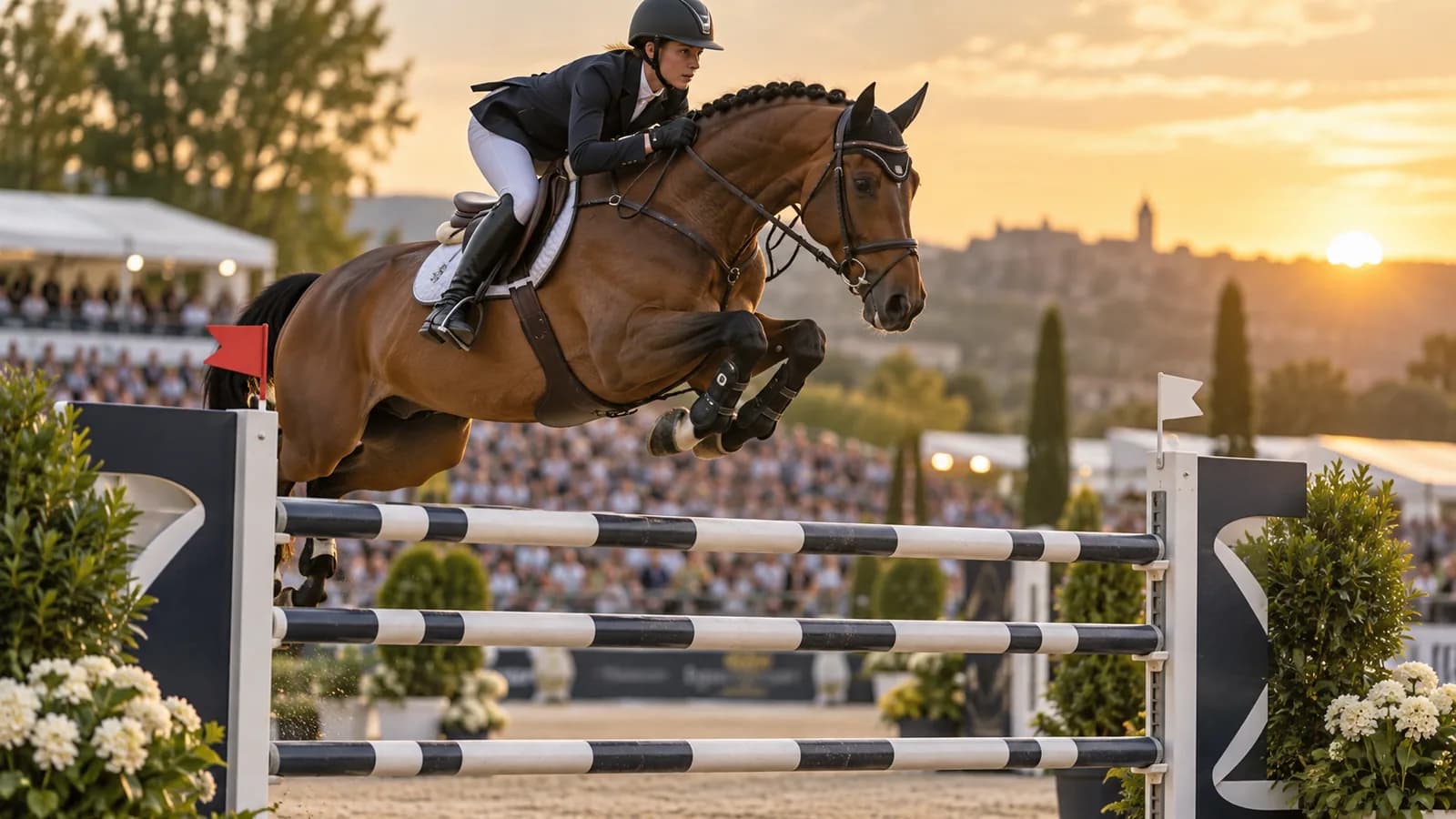
Equestrian Tickets
Buy equestrian event tickets across show jumping, dressage and eventing. Spruce Meadows, Kentucky Three-Day, Devon Horse Show and international circuits.
Equestrian sport is one of the oldest and most refined live spectacles on the global calendar, blending athletic precision, animal welfare, and centuries of tradition into a single afternoon at the ring. The umbrella covers three Olympic disciplines, show jumping, dressage, and eventing, along with hunter classes, derby competitions, indoor finals, and breed showcases that fill grandstands from spring through late autumn. Fans buy tickets to watch horse and rider partnerships clear technical courses, execute choreographed dressage tests, and gallop through cross-country obstacles that demand stamina and courage from both athletes. The season runs in overlapping circuits across North America, Europe, and the Pacific, with marquee weeks at Spruce Meadows in Calgary, the Kentucky Three-Day Event, Devon Horse Show outside Philadelphia, and the National Horse Show finals each autumn. Olympic equestrian remains the pinnacle, drawing global broadcast audiences every four years and feeding qualification points back into the season-long tour schedule. Day tickets typically separate grandstand seating from grounds admission, with hospitality tents, sponsor chalets, and paddock access layered on top for higher tiers. Families come for the pony classes and shopping village, serious followers come for the five-star jumping nights, and first-time visitors come for the pageantry of opening ceremonies, mounted color guards, and ribbon presentations. Because schedules span multiple days and disciplines run in parallel rings, planning ahead matters more than at most ticketed sports. Use the team hubs on this site to compare event dates, venue layouts, and ticket categories, then build a trip around the classes that matter most to you. Whether the goal is a single grand prix evening or a full week on the grounds, equestrian rewards fans who arrive informed and ready to settle in.
About Equestrian tickets
Live equestrian competition delivers a sensory experience that broadcast coverage rarely captures in full. The thunder of hooves on footing, the audible breath of a horse landing after a vertical, and the hush of a packed grandstand during a dressage halt all combine into something closer to theater than traditional sport. Top-tier events stage their feature classes under lights, with music cues, video boards, and choreographed jump-off finishes that reward fans who stay for the final rotation.
The discipline mix on any given ticket matters more than at most sports. Show jumping draws the largest crowds with its clear time-and-faults format, dressage rewards patient observers who can read collected canters and tempi changes, and eventing combines both with a cross-country phase that turns a single afternoon into a rolling festival across hundreds of acres. Many marquee weeks bundle all three on different days, so buyers should check the daily schedule before committing.
Atmosphere also shifts dramatically between outdoor summer venues and indoor autumn finals. Outdoor weeks like Spruce Meadows or Kentucky lean into picnic culture, lawn seating, and shopping villages, while indoor finals at venues like Devon or the National Horse Show pack tighter arenas with formal attire, sponsor receptions, and a more concentrated competition feel. Use the team hubs on this site to compare each event's character before choosing a date.
Equestrian ticket pricing explained
Equestrian pricing is structured around event tier, day of week, and seating category rather than opponent matchups. A five-star jumping week with international ranking points will price its grand prix night well above a regional hunter-jumper class on the same grounds. Olympic qualifying events and championship finals sit at the top of the market, while early-week schooling rounds and exhibition classes typically open the entry tier for fans on a budget.
Within a single event, the gap between grandstand seating and grounds admission can be substantial. Grandstand tickets reserve a numbered seat with a clear view of the main ring, while grounds passes allow general access to the venue, warm-up rings, vendor village, and standing or lawn areas around outer arenas. Mid-week days featuring qualifying rounds tend to price lower than weekend feature nights, and twilight or under-lights sessions often carry a premium for atmosphere.
Hospitality and chalet tiers add another layer on top, bundling food, beverage, parking, and sometimes paddock access into a single price. Multi-day passes can offer meaningful savings versus stacking single-day tickets, especially for fans planning to attend both the cross-country phase and stadium jumping at a three-day event. Compare ticket categories on the team hubs on this site before locking in dates.
How to find affordable equestrian tickets
The most reliable path to an affordable equestrian day is targeting weekday qualifying rounds rather than weekend feature classes. Tuesday through Thursday at a major show often delivers the same star riders, the same footing, and the same shopping village at a fraction of the Sunday grand prix price. Many of these mid-week days also include free or low-cost pony classes, junior hunters, and amateur divisions that fill the rings with high-quality sport.
Grounds admission is the other key lever. At outdoor venues with multiple competition rings, a grounds pass typically lets fans wander between arenas, watch warm-ups close to the action, and picnic on lawn areas with sight lines to the main ring. Bringing chairs or blankets, arriving early to claim shaded spots, and packing food where the venue allows can stretch a budget significantly across a full day.
Family and group rates also reward planning. Many events publish child, student, and military pricing, and some bundle parking into multi-day passes that would otherwise cost extra each morning. Newsletter signups on the team hubs on this site often surface presale windows and weekday promotions before general on-sale, which is where the genuinely cheap seats tend to move first.
Best seats by venue type
Outdoor stadium venues like the international ring at Spruce Meadows reward seats positioned along the long side of the arena, roughly between the in-gate and the first combination. From there, fans can read a rider's full approach to the technical lines, watch the jump-off track unfold in sequence, and still see scoreboard updates without turning. Seats too close to a corner can obscure parts of the course behind standards or video boards.
Indoor arenas like Devon's Dixon Oval or the National Horse Show ring concentrate the action, so even modest grandstand rows feel close to the footing. The premium spots tend to face the in-gate, giving fans a clear view of each horse entering and exiting the ring, plus a head-on angle for the most photographed combinations. Box seating, where available, adds private chair seating and table service.
For dressage and eventing dressage phases, the best seats sit at one of the short ends, ideally aligned with the centerline. That angle lets viewers judge straightness on the entry, the halt at X, and the final salute, which are the most heavily scored moments of a test. Check venue diagrams on the team hubs on this site before selecting a section.
Equestrian season and calendar
The international equestrian calendar is built around overlapping winter, summer, and indoor circuits. The North American winter season anchors in Florida and California from January through March, drawing top show jumping and dressage riders to multi-week festivals. From late spring through summer, the calendar shifts north to outdoor venues across Canada, the northeast United States, and Europe, where Spruce Meadows hosts its major tournaments and the Kentucky Three-Day Event opens the eventing year.
Eventing has its own rhythm, with five-star competitions spaced across the year at Kentucky, Maryland, and overseas venues. Each event combines dressage, cross-country, and show jumping over three to four days, which means a single ticket purchase often covers very different sport from one morning to the next. Fans planning around eventing should check cross-country timing carefully, since that phase typically runs Saturday and draws the largest crowds.
The indoor season closes the year from late September through early December, with Devon Horse Show and the National Horse Show among the marquee American dates. These weeks crown national champions, decide year-end rider rankings, and frequently include exhibition classes, parade of breeds, and gala evenings. The team hubs on this site list each event's published dates as schedules confirm.
How to buy equestrian tickets safely
Buying equestrian tickets safely starts with knowing the on-sale calendar for each event. Major weeks typically open ticket sales months in advance, with presale windows for past attendees, members, and newsletter subscribers running before the general public. Sitting on a wait list or signing up for event email lists is often the difference between catching a grand prix night at face value and chasing scarce inventory later.
When buying, prioritize the exact event date, ring location, and session time. Equestrian schedules can shift across a multi-day event, with classes moved between rings or days based on entries and weather. A ticket that reads simply for a date may cover one specific session, while another may grant grounds access for the full day. Read the listing carefully before paying.
Match every ticket purchase to a clear venue diagram and class schedule, both of which the team hubs on this site link out to where available. Confirm whether parking is included or sold separately, whether children require their own ticket, and what age qualifies for family pricing. Verifying these details up front avoids surprise costs and missed sessions on arrival day.
Marquee events and great rivalries
Equestrian rivalries play out across the season at a handful of marquee weeks that consistently draw the strongest fields. The Spruce Meadows Masters tournament in Calgary is among the richest show jumping weeks of the year, pulling Olympic and world championship riders to its grass grand prix ring. Nations Cup and Grand Prix purses there set a benchmark that few outdoor venues can match.
The Kentucky Three-Day Event functions as the unofficial spring eventing championship in North America, with riders chasing world rankings, Olympic selection points, and the prestige of a five-star victory. Devon Horse Show on the Philadelphia Main Line carries more than a century of tradition as the season's biggest hunter showcase, while the National Horse Show finals in the autumn crown indoor jumping and equitation champions in front of a tightly packed crowd.
These events build their own rivalries year over year, between barns, between national teams in Nations Cup formats, and between top horse-and-rider partnerships chasing year-end leaderboards. Olympic equestrian sits above all of them as the once-in-four-years stage that reshuffles careers. The team hubs on this site track the marquee weeks where those storylines intersect with available ticket inventory.
Cities where equestrian is biggest
A handful of cities and regions anchor the equestrian calendar in North America. Calgary, Alberta, hosts Spruce Meadows just outside the city, transforming into a destination for international show jumping each summer. Lexington, Kentucky, centers the eventing world around the Kentucky Horse Park, which hosts the Three-Day Event each spring along with year-round dressage, jumping, and breed competitions.
The Philadelphia region carries deep equestrian tradition through Devon, Pennsylvania, where the Devon Horse Show fills its grandstand each May. New York and the Hudson Valley have a long history of indoor jumping, and the National Horse Show now stages its finals in Lexington's indoor arena, drawing fans from across the eastern seaboard. South Florida, particularly the Wellington area, dominates the winter calendar with multi-week festivals that essentially function as a small city of horses, trailers, and grooms.
Internationally, equestrian fans gravitate toward European capitals and historic estates, particularly around Olympic and world championship years. For ticket buyers planning trips, the team hubs on this site help compare lodging, parking, and venue access details across these hubs so a multi-day visit pencils out before tickets go to cart.
First-time equestrian fan tips
First-time equestrian fans get the most out of a day by arriving early and walking the grounds before competition starts. Watching warm-up rings is often more revealing than the main ring itself, since riders school over practice fences, adjust pace, and prepare horses in full view of spectators. A printed or digital program is essential for following start lists, class names, and scoring formats.
Dress for outdoor weather and long days. Outdoor venues like Spruce Meadows and Kentucky involve significant walking across uneven ground, and weather can change quickly through a single afternoon. Comfortable shoes, layers, sunscreen, and water bottles where permitted go a long way. Indoor finals at Devon or the National Horse Show often lean dressier, with many fans choosing smart-casual or cocktail attire for evening sessions.
Pace the day around the feature class rather than trying to watch every ring at once. Most major events build the schedule so the headline grand prix, freestyle, or cross-country phase serves as the day's climax. Sit down at least an hour early to get oriented, then stay through the prize giving, which is part of the tradition. The team hubs on this site list daily highlights to help first timers prioritize.
Support