
Allegiant Stadium
Las Vegas · Home of Las Vegas Raiders
About Allegiant Stadium
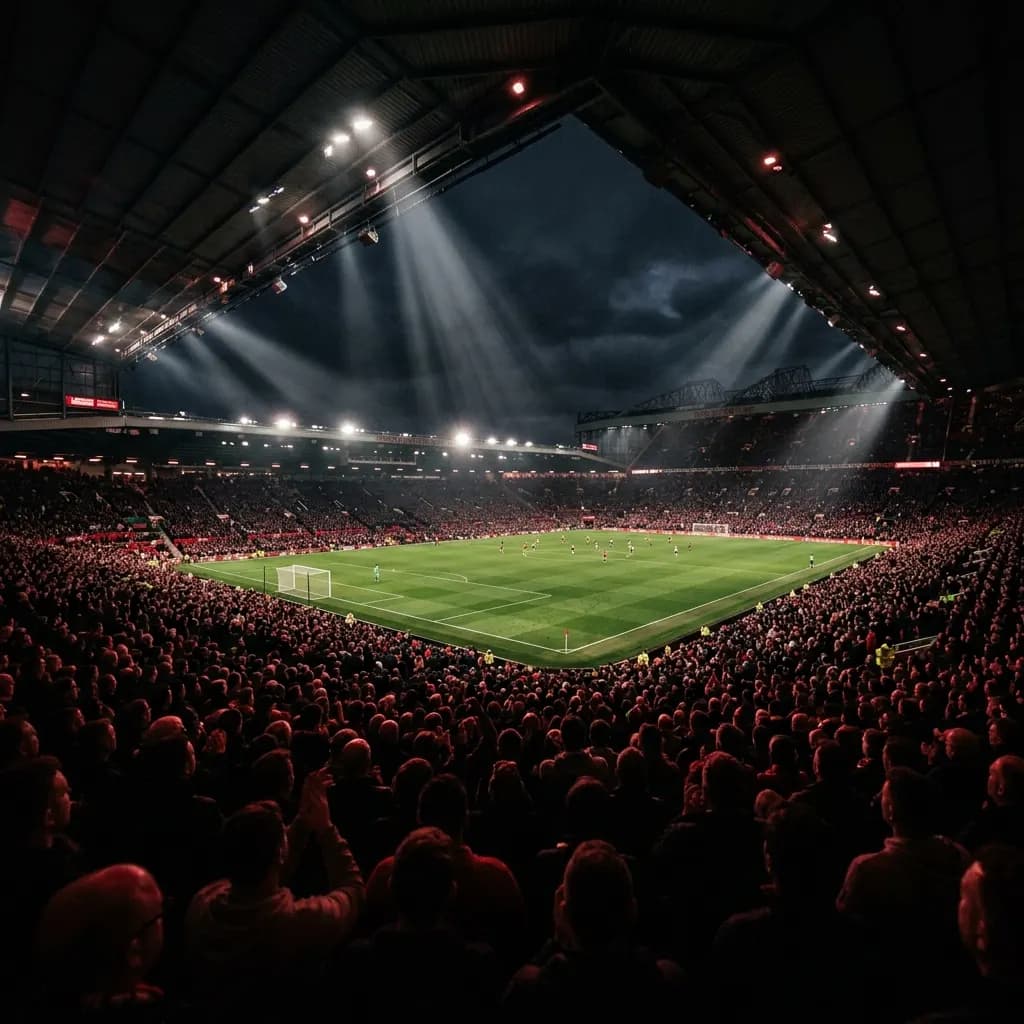
Allegiant Stadium is the $2 billion domed home of the Las Vegas Raiders, a 65,000-seat black monolith planted just west of the Las Vegas Strip in Paradise, Nevada. It opened in 2020 after the franchise's long-debated move from Oakland, and almost immediately reset what an NFL stadium could feel like. The exterior, a sheer obsidian curve, has earned it the nickname 'the Death Star,' a label the Raiders fan base has embraced with a kind of cheerful menace. Inside, a translucent ETFE roof keeps the desert heat out while letting natural light pour onto a natural grass field that rolls in and out on a tray for college and event use. Fans visit for more than football. The stadium hosts the UNLV Rebels, marquee neutral-site college games, the annual Las Vegas Bowl, international soccer friendlies, WrestleMania, and stadium-scale concert tours that treat the venue as a permanent residency stop. It also drew a Super Bowl in its first half-decade, cementing its status as one of the most important multi-purpose buildings in American sport. For most travelers, though, the headline reason to come is simple: see the Raiders, live, in the loudest indoor NFL room in the league.
Seating layout
Allegiant Stadium's bowl is built in three clean tiers that wrap continuously around the field, so almost every seat faces the action squarely rather than at an awkward angle. The lower bowl, numbered in the 100s, is the closest to the sideline action and the most photographed; sections behind each bench give you the body language of coaches and the choreography of substitutions, while the corners and end zones are where the Raider Nation regulars congregate and where the crowd noise feels most physical. The club level, in the 200s, is the comfort layer. Wider seats, padded backs, in-seat service in many areas, and access to climate-controlled clubs and premium bars make it the natural home for hospitality groups and fans who want a slightly slower pace on either side of kickoff. Field-level suites and the Twitch Lounge sit inside this band as well, offering a more curated experience without losing sightlines. The upper deck, in the 300s, is steep and pitched intentionally close to the field, which keeps you connected to play and amplifies sound under the closed roof. Anywhere along the sidelines in the 300s gives a true coach's-film perspective, and the end-zone uppers tend to be the most affordable way into a Raiders home game.
Best seats by category
The most reliable value at Allegiant Stadium tends to live in the upper-deck sideline sections, specifically the rows closer to the field within each 300-level block. You get the full sweep of the offense, can read coverages developing, and pay materially less than for the lower bowl. For pure atmosphere, the corner sections behind the Raiders' bench in the lower 100s deliver: this is where the silver-and-black faithful set the tone, and where chants find traction quickest. Fans who care most about view quality rather than proximity should look at midfield club seats in the 200s, where the elevation is enough to see plays develop without losing the texture of the sideline. Families often do best in the upper end-zone sections, which are quieter, easier to enter and exit, and closer to family restrooms and concourse amenities. If you want a premium one-off, the field-level lounges put you nearly at sideline height and feed into private spaces for halftime. Whichever tier you choose, sections directly behind the team benches command a premium for a reason. For ticket inventory and current pricing, the Las Vegas Raiders hub on this site is the simplest starting point.
Getting there
Allegiant Stadium sits roughly a mile west of the Las Vegas Strip, just off Interstate 15 at Russell Road and Hacienda Avenue, which makes it one of the easier NFL stadiums to reach without a car. Most visitors walk in from Strip hotels using the dedicated Hacienda Avenue pedestrian bridge over I-15, a roughly 15 to 25 minute stroll from properties like Mandalay Bay, Luxor, and Excalibur. The Las Vegas Monorail runs along the east side of the Strip and pairs well with a short rideshare or walk on the back end. Public transit users can use RTC buses serving Las Vegas Boulevard and Russell Road, with shuttle service often added on event days. Rideshare with Uber and Lyft is the default for many out-of-town fans; the stadium operates designated pick-up and drop-off zones a short walk from the main gates, and surge pricing on the post-game side is real, so building in a wait, or walking back to the Strip, is wise. On-site parking is limited and heavily skewed toward permit holders, so most general parking is sold in advance through nearby Strip hotel garages and off-site lots, with shuttles bridging the last stretch. Buy parking when you buy tickets; gameday walk-up rates are punishing.
Food & concessions
Concessions at Allegiant Stadium lean into the city's identity, blending classic stadium fare with Las Vegas restaurant brands you would recognize from the Strip. Expect the usual hot dogs, nachos, loaded fries, and craft beer, but also tacos, smash burgers, barbecue, Asian noodles, and steakhouse-style sandwiches from local and national operators. Plant-based and gluten-aware options have expanded year over year. Premium areas in the club level and field-level lounges add chef-driven menus, in-seat service in some sections, and curated bars with high-end cocktails. Outside the stadium, the food story is even bigger. Mandalay Bay, Luxor, and the rest of the south Strip put dozens of restaurants within a 10 to 20 minute walk, ranging from quick noodle bars to celebrity-chef steakhouses, so many fans plan a pre-game meal on the Strip and head over once it cools off. The Town Square shopping center, a short rideshare south of the venue, offers chain restaurants and patios that are friendlier on the wallet. If you want a post-game scene without driving, walking back to Mandalay Bay's House of Blues area or Luxor's casual restaurants is the path of least resistance.
Matchday tips
Gates at Allegiant Stadium typically open 90 minutes before kickoff for most NFL games, with premium and club entrances often opening earlier, so plan to arrive about two hours pre-game if you want to soak in pregame, hit concessions without lines, and find your seat with margin. Security is fully digital and contactless: tickets live in the official Raiders mobile app, screening is walkthrough metal detection, and the venue enforces a strict clear-bag policy. Approved bags are clear plastic, vinyl, or PVC up to 12 by 6 by 12 inches, plus a small clutch roughly the size of a hand. Diaper bags and medical bags are permitted after inspection. Outside food and drink are not allowed, and umbrellas, professional cameras with detachable lenses, and selfie sticks are typically prohibited. First-time visitors should screenshot their mobile tickets in advance, charge phones before arrival, and confirm the closest gate to their section using the stadium map. The walk over the Hacienda pedestrian bridge from the Strip is exposed; in summer day games, hats, sunglasses, and water once inside go a long way. Cashless concessions are the norm, so bring a tap-enabled card or phone wallet to keep lines moving.
Tickets buying strategy
Raiders home games run a 17-week regular season schedule with a handful of preseason matchups, and pricing behavior is more predictable than many fans assume. Season-opening home games, division rivalries against the Chiefs, Chargers, and Broncos, and any visit from a marquee national draw like the Cowboys or 49ers anchor the top of the market and rarely soften. Mid-season AFC interconference matchups and games against lower-profile opponents typically offer the calmest pricing windows, especially on weekday and Monday night slates that conflict with travel plans. A general rule at Allegiant is that prices tend to firm up as kickoff approaches once a game is competitively meaningful, while non-playoff implication games can drift lower in the final 48 hours. Buying early secures sections you actually want; waiting can pay off on price but limits seat selection, often pushing late buyers into the upper end zones. Hospitality and club inventory move first for premium games, so plan early there. For live availability, current price ranges, and seat-by-seat selection, use the Las Vegas Raiders hub on this site as your starting point.