
Bell Centre
Montreal · Home of Montreal Canadiens
About Bell Centre
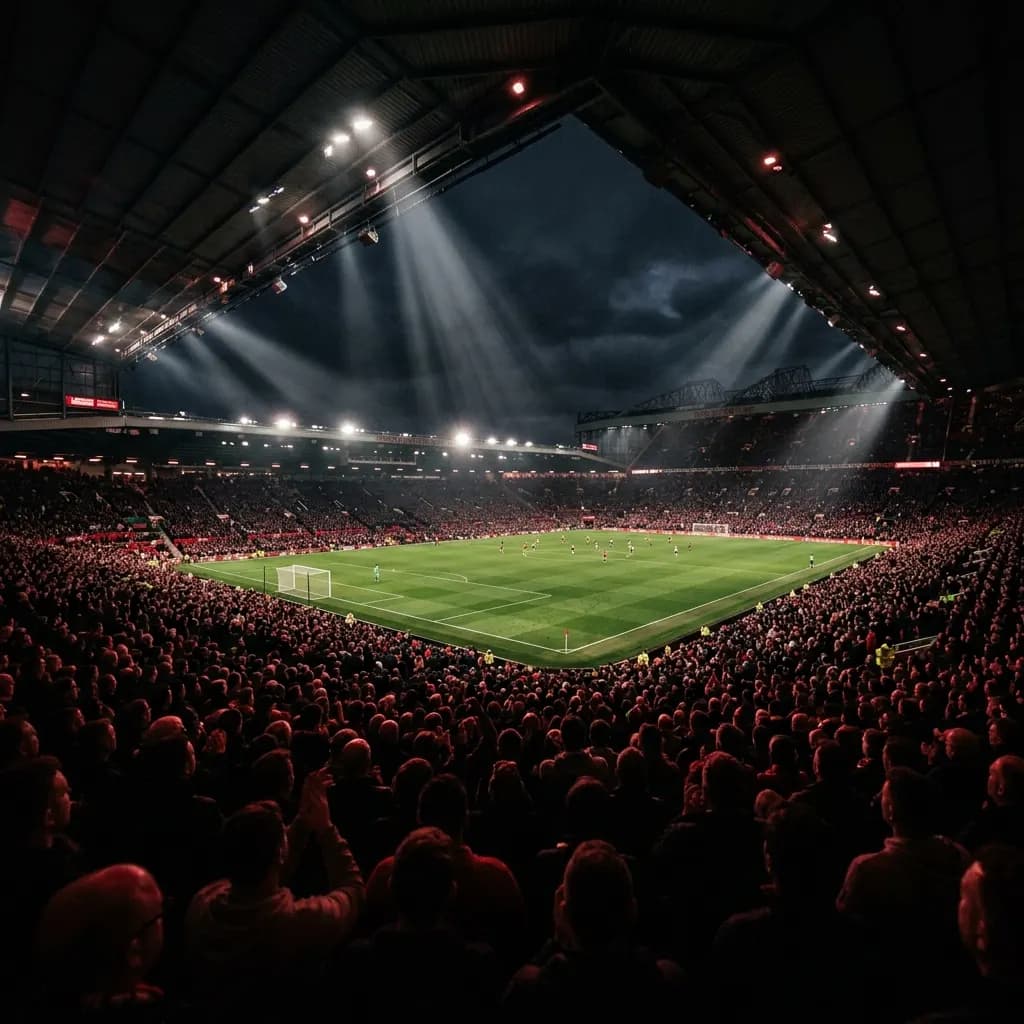
Bell Centre sits at the corner of Rue de la Gauchetiere and Avenue des Canadiens-de-Montreal, a glass-and-steel cathedral wedged into downtown Montreal that has served as home ice for the Montreal Canadiens since 1996. It replaced the legendary Montreal Forum, and from the moment the doors opened the building inherited the weight of the most decorated franchise in NHL history. Twenty-four Stanley Cup banners hang from the rafters, alongside a wall of retired numbers that reads like a hockey hall of fame roll call. With a hockey capacity north of 21,000, it is the largest arena by seating in the league, and on a sold-out night it feels every bit of it. Fans visit because there is no neutral game here. The crowd sings 'Ole, ole, ole' in the third period, rises for every shot on goal, and treats the national anthems as a participatory ritual rather than a formality. Beyond Canadiens hockey, the venue hosts concerts, UFC cards, and family shows, but the identity is unmistakably bleu-blanc-rouge. For a first-time visitor to Montreal, a night at Bell Centre is a non-negotiable introduction to the city's sporting soul.
Seating layout
Bell Centre is built on three primary tiers, and each delivers a distinctly different experience. The lower bowl, sections 101 through 122, hugs the ice tightly and offers the closest look at the speed of the modern NHL game. Centre-ice rows in the 100s carry the highest face values, but even corner and end seats in the lower bowl place you within easy view of every puck battle along the boards. The club level sits between the bowls and is broken into a mix of premium club seats, executive suites, and the Desjardins and Bell Loge sections. Club ticket holders typically get access to dedicated lounges, in-seat service in select sections, and shorter concession lines, which makes this tier popular with corporate buyers and date-night fans who want a calmer environment. The upper bowl, sections 300 through 423, is where the noise lives. The rake is steep enough that sightlines stay strong even from the back rows, and the price-to-view ratio is the best in the building. Sections behind the goals, particularly the end the Canadiens shoot toward twice, are coveted by die-hards because you see the play develop directly in front of you. Standing-room tickets occasionally appear for marquee opponents and offer the cheapest way through the turnstile.
Best seats by category
For pure value, the upper-bowl corner sections in the 300s, around 302 and 322, consistently deliver strong sightlines without lower-bowl pricing. Rows five through ten in those sections sit you above the glass with a full view of both blue lines, which is ideal for tracking line changes and power-play setups. For atmosphere, the loudest pocket of the building is the upper end opposite the team benches, where the most vocal supporters gather and the 'Go Habs Go' chants start. For the cleanest sight of speed and skill, the lower-bowl sides at centre ice, sections 110 and 117, give you the broadcast angle and the chance to read plays as they happen. Families and first-timers often do best in the lower rows of the 200-level club sections, where the wider concourse, shorter lines, and lounge access make the night easier with kids in tow. Seats near the Zamboni entrance can be fun for younger fans who want to watch the ice resurface up close. Whatever the budget, check the team's hub page on this site for current ticket availability before settling on a section.
Getting there
Bell Centre is one of the most transit-accessible arenas in North America, and most visitors should skip driving altogether. The Bonaventure and Lucien-L'Allier Metro stations both connect directly to the arena via underground passageways, part of Montreal's Reseau Express Metropolitain and the famous Underground City. From either station you can walk to your seat without stepping outside, a genuine advantage in January. Lucien-L'Allier also doubles as a commuter rail hub on the Exo network, with trains arriving from the West Island and South Shore. Several STM bus routes stop within a short walk on Rue Peel and Rue de la Montagne. For drivers, multiple paid lots and garages surround the arena, including the official Bell Centre garage accessed off Rue de la Montagne and de la Gauchetiere. Expect dynamic pricing on game nights and arrive at least an hour before puck drop to avoid bottlenecks on the surrounding ramps. Ride-share pickup and drop-off zones are signposted along de la Gauchetiere and Saint-Antoine, but be ready for slow surge pricing after the final horn. Walking is genuinely viable from anywhere in the downtown core, Old Montreal, or Griffintown, and many fans prefer to grab dinner nearby and stroll in along Rue Peel.
Food & concessions
Concessions at Bell Centre lean into Quebec's food culture, which is part of the experience. Poutine is the signature in-arena order, and several stands serve classic gravy-and-curd versions alongside loaded variations with smoked meat or pulled pork. Montreal-style smoked-meat sandwiches are widely available and pair naturally with a local craft beer from one of the Quebec breweries pouring throughout the building. Standard arena fare, hot dogs, popcorn, pretzels, and chicken tenders, is well represented for traditionalists, and there are dedicated stands for plant-based options and gluten-free choices. Club-level patrons get expanded menus and shorter lines in the lounges. For pregame and postgame dining, the surrounding neighbourhood is one of the strongest food zones around any North American arena. Crescent Street and Rue Peel are lined with steakhouses, sports bars, and brasseries, while a short walk into Griffintown opens up acclaimed modern Quebecois restaurants. For something fast and iconic, a smoked-meat sandwich at one of the legendary delis in the downtown core is a Montreal rite of passage. Old Montreal, fifteen minutes on foot, offers more upscale options if you are pairing the game with a longer night out.
Matchday tips
Doors at Bell Centre typically open about ninety minutes before puck drop, and arriving early is rewarded. The Canadiens' pregame ceremony, with its tribute videos and rotating cast of honoured alumni, is one of the most polished in the league and worth being in your seat for. Security uses walk-through metal detectors at every entrance, so empty your pockets before you reach the front of the line. The bag policy is strict: only small personal bags are permitted, and anything larger than roughly a standard purse or small backpack will be turned away with no on-site storage. Cameras with detachable lenses, signs, and outside food and drink are not allowed. Mobile ticketing is the standard, so download your tickets to your phone wallet in advance and screenshot a backup in case the network slows in the concourses. The arena is bilingual; signage and staff handle French and English without issue. First-timers should plan to walk the concourse before the game to see the team's history displays, retired number wall, and Stanley Cup banner gallery, all of which double as the building's de facto museum.
Tickets buying strategy
Ticket strategy for Bell Centre is shaped by demand that rarely softens. The Canadiens consistently sell well, and marquee matchups against Original Six rivals, Canadian opponents, and any visit from a superstar opposing forward push prices to season highs. Weeknight games against non-rival opponents in November, December, and February typically offer the most reasonable entry points, and prices in the upper bowl can drop notably in the final forty-eight hours before puck drop if the matchup is quiet. Conversely, weekend games, holiday-period matinees, and any contest with playoff implications climb steadily as the date approaches and rarely soften late. If the Canadiens are in a playoff push, plan to buy earlier rather than later. Standing-room and single seats often appear closer to game day for fans willing to sit apart from their group. For the best current options, check the Montreal Canadiens hub on this site, which tracks live availability across the schedule and links directly to verified inventory. Buying for a specific section and row rather than a price ceiling is the surest way to lock in the view you actually want.