
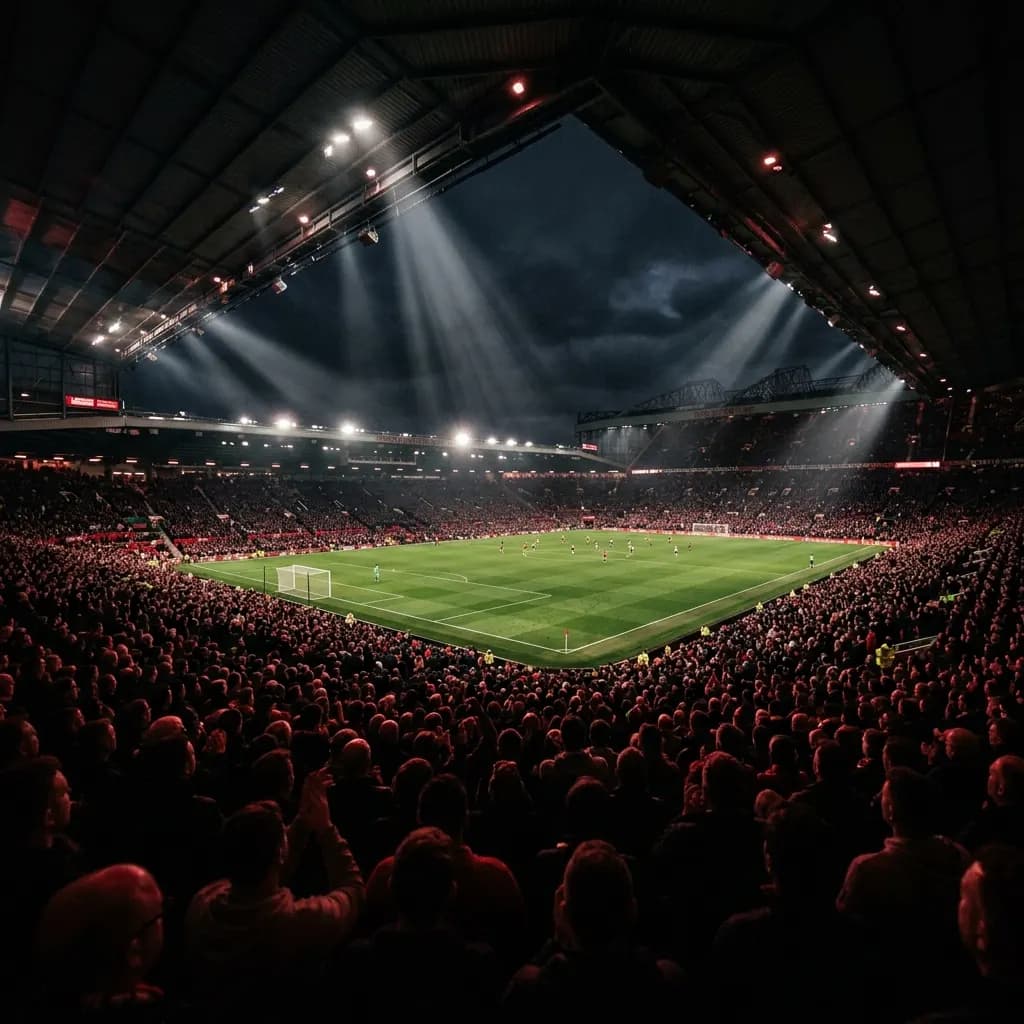
Dodger Stadium
Los Angeles · Home of Los Angeles Dodgers
About Dodger Stadium
Dodger Stadium sits in a natural bowl carved into the hills of Chavez Ravine, north of downtown Los Angeles, and has welcomed Dodgers fans since opening in 1962. It is the third-oldest ballpark in Major League Baseball, behind only Fenway Park and Wrigley Field, and the largest in the sport by capacity. Designed by architect Emil Praeger, the stadium was built into the hillside so that every level has its own entry from a different elevation of the surrounding parking lots, an unusual layout that still defines the gameday experience today. Fans visit for more than the score on the board. The palm-tree skyline beyond the outfield, the San Gabriel Mountains rising behind the bleachers, and the soft pink and orange sunsets that wash across the field have made the park one of the most photographed venues in American sport. Generations of supporters have watched the franchise's biggest moments unfold here, from October baseball to summer fireworks nights, and the ballpark remains a civic landmark woven into the identity of Los Angeles itself. For visiting supporters and first-time travelers, a game at Chavez Ravine is a marquee bucket-list stop on any MLB road trip.
Seating layout
Dodger Stadium is laid out across six distinct seating tiers, each entered from its own parking level, and the differences between them matter more than at most ballparks. The Field and Dugout Club sections wrap tightly around the infield at the lowest level, putting fans within a few rows of the dirt and offering padded seats, dedicated entrances, and in-seat service in the premium areas closest to the dugouts. Behind those, the Loge Level hangs over the field with a steep pitch that keeps sightlines clean and intimate, particularly around home plate, and is widely regarded as one of the best vantage points in the park for following pitch sequencing. The Club Level wraps the middle of the stadium and pairs upgraded concourses, climate-controlled lounges, and shorter concession lines with strong views down both baselines. Above that, the Reserve Level offers a true panoramic experience of the field, the palm trees, and the mountains beyond center field, and is often where families and groups settle in for an affordable afternoon. The Top Deck behind home plate sits highest of all, with sweeping views back toward downtown Los Angeles, while the Pavilion sections in left and right field place fans directly behind the home-run walls for a rowdier, bleacher-style atmosphere.
Best seats by category
For pure value, the Reserve Level between the bases is hard to beat. The seats sit high enough to take in the full geometry of the field and the iconic outfield backdrop, but the angle still feels connected to the action. Fans chasing atmosphere should look at the Pavilion sections beyond the outfield walls, where the crowd is loudest, home-run balls land within reach, and the energy builds inning by inning. For the cleanest view of pitching and defensive positioning, the Loge Level behind home plate is the classic choice and a frequent recommendation from longtime supporters. Families often gravitate to the upper Reserve sections behind the infield, where wider aisles, easier restroom access, and gentler pricing make a long evening manageable with kids. Premium seekers should target the Dugout Club or Field Level boxes between the dugouts, which combine in-seat service with the closest possible view of the players. Whichever tier you choose, aim for sections angled toward the infield rather than down the foul lines to avoid a sharp viewing angle. For current availability and verified seat locations, check the Los Angeles Dodgers hub on this site.
Getting there
Dodger Stadium is famously car-oriented, but there are now several practical ways to reach Chavez Ravine. The most reliable transit option is the Dodger Stadium Express, a free shuttle that runs on game days from Union Station downtown and, during select games, from the South Bay. The ride is included with a same-day ticket and drops fans directly at the stadium gates, avoiding the worst of the parking-lot crawl. Union Station itself is served by Metrolink commuter rail and several Metro rail lines, making it the most efficient hand-off point for visitors staying downtown or arriving from the suburbs. Driving remains the default for most local fans. The stadium is reached via the 110, 101, and 5 freeways, with multiple gates feeding into the tiered parking lots that match the seating levels. Arrive at least an hour before first pitch on weekend or marquee games, as traffic into the ravine can back up significantly close to gate time. Ride-share drop-off and pick-up zones are located in designated lots away from the main entrances, and riders should expect a short uphill walk plus longer wait times after the final out. Walking in from nearby neighborhoods is possible but involves steep grades and limited sidewalks, so it is generally best left to locals who know the route.
Food & concessions
Dodger Stadium concessions lean hard into Southern California tradition while making room for a broader menu than the park is sometimes credited with. The Dodger Dog, a long, thin frankfurter served in a steamed bun, remains the signature item and is sold at stands across every level. Beyond the classic, fans will find carne asada and pollo tacos, Cuban sandwiches, garlic fries, loaded nachos, and rotating local vendors that reflect the city's food scene. Plant-based options have grown in recent years, including vegan dogs and bowls, and several stands offer gluten-free buns on request. The Centerfield Plaza behind the batter's eye is a popular gathering point, with a wider mix of food trucks and bar service that lets fans wander before settling into their seats. Premium ticket holders gain access to all-inclusive clubs with sit-down dining, while the upper levels are well served by traditional ballpark fare and shorter lines. Off-site, the surrounding neighborhoods of Echo Park, Chinatown, and Silver Lake offer some of the most respected casual dining in Los Angeles, from dim sum to taquerias to craft coffee. Many fans build a pregame meal nearby and then ride the Dodger Stadium Express in for first pitch.
Matchday tips
Gates at Dodger Stadium typically open about ninety minutes before first pitch for most regular-season games, and earlier for marquee matchups, giveaway nights, or batting-practice access for premium ticket holders. Arriving early is strongly encouraged: parking lots fill steadily, security lines lengthen close to first pitch, and the views from the upper concourses at sunset are part of the experience. All bags are subject to inspection, and the venue enforces a clear-bag policy with size limits, so a small clear tote or a stadium-approved soft-sided cooler is the safest choice. Backpacks, hard coolers, and oversized bags are generally not permitted, and outside alcohol is prohibited. Metal detectors are in use at every entrance, and fans should empty pockets of larger metal items in advance to speed up screening. First-time visitors should note that the parking lot they enter corresponds to their seating level, so check your ticket before driving in to avoid long walks between tiers. Mobile tickets via the official app are now the standard, and screenshots are not accepted, so download tickets to your wallet before arriving and confirm your phone has battery to spare.
Tickets buying strategy
Pricing for Dodger games moves sharply based on opponent, day of the week, and how the team is performing in the standings. Midweek games against non-divisional opponents in April and May tend to offer the most affordable entry into the ballpark, while weekend games, rivalry series, and any matchup with a marquee visiting starter or designated hitter command the highest prices. Promotional nights, including bobblehead giveaways, fireworks games, and themed heritage nights, also drive demand and often sell through quickly. Fans planning a trip should look at the schedule as early as possible and lock in seats once it is released, particularly for travelers building a vacation around a specific series. Prices generally soften for single-game inventory a week or two out for lower-demand dates, but rise steeply in the final forty-eight hours for marquee games as casual buyers enter the market. October baseball moves on a different curve entirely, with postseason tickets selling out within hours of going on sale. For verified options across every tier and the most current availability, see the Los Angeles Dodgers ticket hub on this site.