
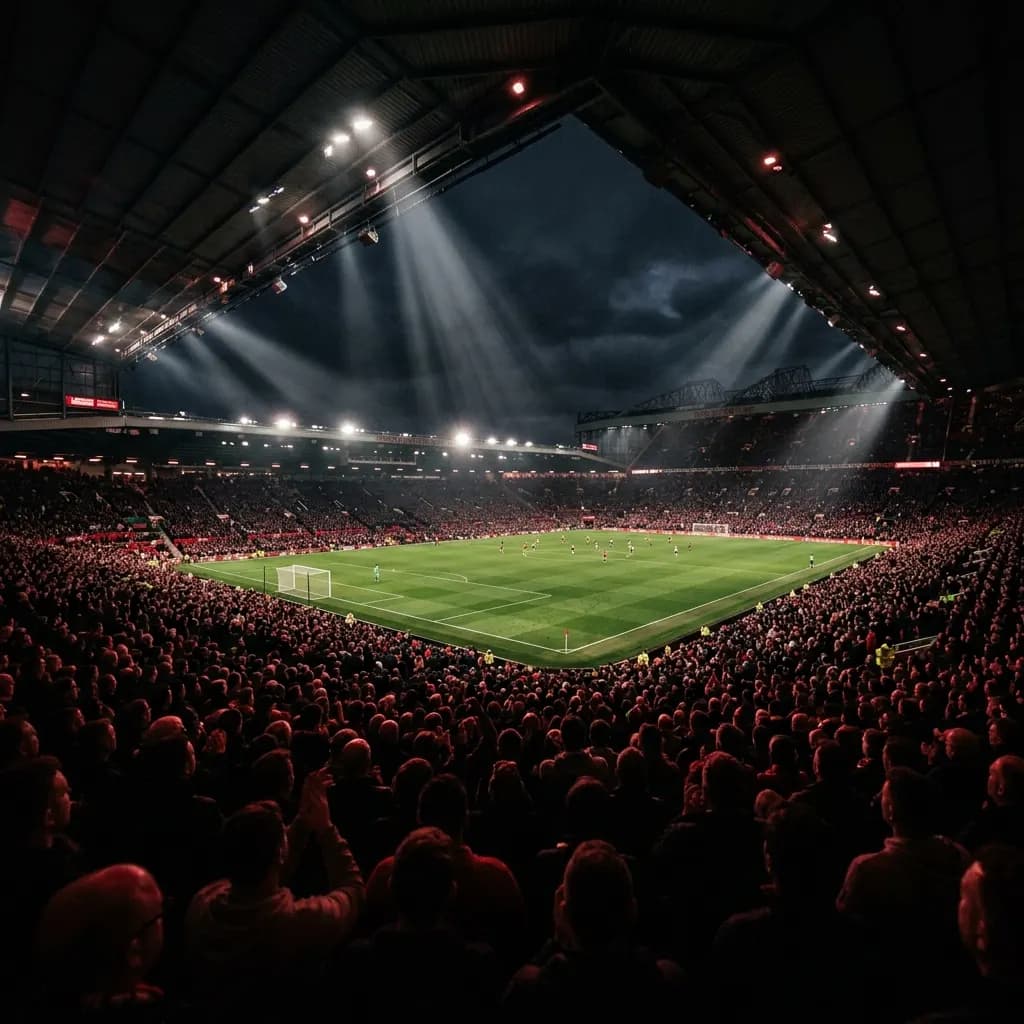
Fenway Park
Boston · Home of Boston Red Sox
About Fenway Park
Fenway Park is the oldest active ballpark in Major League Baseball, opened in April 1912 and home to the Boston Red Sox ever since. Tucked into the Kenmore Square neighborhood with streets curling around its odd footprint, the venue is as much a piece of Boston's architecture as it is a sporting venue. The Green Monster in left field, Pesky's Pole down the right-field line, the manual scoreboard, and the lone red seat in the right-field bleachers are landmarks fans travel across the country to see in person. Generations of stars have walked through the same dugouts, and championship banners hanging from the facade tell a story that stretches across more than a century. Fans visit Fenway because it feels less like a stadium and more like a living museum that still hosts a nightly game. The capacity is modest by modern standards, which keeps sightlines intimate and the crowd noise tight and concentrated. Whether the trip is built around a marquee American League East rivalry, a summer weeknight under the lights, or a first pilgrimage with a child, Fenway delivers a baseball experience that newer ballparks consciously try to imitate.
Seating layout
Seating at Fenway Park is organized into a lower bowl, premium club levels, and an upper tier that wraps around home plate, with bleachers extending across center and right field. The lower bowl is split into Field Box, Loge Box, and infield Grandstand sections. Field Box seats sit closest to the action along the baselines and behind the plate, while Loge Box rises one level up and trades a touch of proximity for a cleaner view over the infield. Grandstand seats, many with their original wooden style, are the classic Fenway experience, though some sections have obstructed views from support columns, which is worth checking on the seating map before buying. The club level includes the EMC Club, State Street Pavilion Club, and Dell Technologies Club, offering padded seats, climate-controlled lounges, dedicated concessions, and elevated views over the infield. Pavilion Box and Pavilion Reserved sit above the club, delivering some of the best panoramic angles in the ballpark, including a clear look at the Green Monster. The Green Monster Seats themselves perch atop the famous left-field wall and are among the most requested tickets in baseball. Right-field Bleachers and Budweiser Roof Deck round out the options for fans who prefer a livelier, social atmosphere over a traditional seat.
Best seats by category
The best seat depends on what a fan values most. For sheer atmosphere, the Green Monster Seats are iconic, putting fans on top of the 37-foot wall with a unique angle on every fly ball to left. For pure value, infield Grandstand sections often deliver a classic Fenway view at a more accessible qualitative price point than Field Box, especially on weeknight games against non-rivalry opponents. For the cleanest sightline to home plate, Loge Box behind the dugouts and the rows just above the screen behind the plate are hard to beat. Families often prefer the right-field Bleachers or lower rows of the Pavilion, where wider concourses, easier bathroom access, and a more relaxed crowd make a long evening with children more manageable. Fans chasing a view of the Boston skyline at sunset gravitate toward upper sections on the third-base side. For first-timers who want to take everything in, including the Monster, the scoreboard, and the Citgo sign beyond the wall, the State Street Pavilion provides one of the most photogenic vantage points in baseball.
Getting there
Fenway Park sits in the Fenway-Kenmore neighborhood, just west of Boston's downtown core, and is best reached by public transit. The MBTA Green Line serves the ballpark directly, with the Kenmore stop on the B, C, and D branches a short walk to the main entrances, and the Fenway stop on the D branch close to Gate D. The E branch's Symphony stop is another option on the way back, particularly when crowds at Kenmore are heaviest after the final out. Commuter Rail riders can use Yawkey Station, now Lansdowne, which sits essentially next to the ballpark and runs trains on the Framingham/Worcester Line. Driving into Fenway on game day is possible but rarely pleasant, with limited and expensive private lots scattered around the Back Bay and Longwood Medical Area, and street parking restrictions strictly enforced. Many drivers prefer to park at an outlying T station, such as Riverside or Alewife, and ride the train in. Ride share works well, though the venue uses designated pickup and drop-off zones a few blocks from the gates to manage traffic. Walking is part of the experience, with bars, restaurants, and souvenir stands lining Yawkey Way and Lansdowne Street, and most downtown hotels within a brisk 25 to 35 minute walk through the Back Bay.
Food & concessions
Concessions at Fenway lean into New England tradition while keeping pace with modern ballpark trends. Fenway Franks, grilled and served in steamed buns, are the signature item and a near-mandatory first purchase. Sausages with peppers and onions from Lansdowne Street vendors, lobster rolls, clam chowder, and Italian sausage subs round out the local menu. Craft beer options have grown significantly, with several local New England breweries pouring on every level, alongside standard domestic taps. The Big Concourse and Gate B area host a mix of barbecue, Mexican, and plant-based stands, and the Truly Terrace and Sam Deck offer social seating with full bar service. Outside the gates, the surrounding blocks are one of the strongest pre-game food scenes in the league. Bars and restaurants along Boylston Street, Brookline Avenue, and Lansdowne Street fill up hours before first pitch, ranging from classic pubs to higher-end seafood. Fans staying near the Back Bay can walk to dinner in Copley before heading west to the ballpark. For a quieter post-game meal, restaurants in nearby Brookline Village or the Fenway Triangle clear out faster than the bars closest to the park.
Matchday tips
Gates at Fenway typically open 90 minutes before first pitch for most regular-season games, with select premium-area access available earlier. Arriving early is strongly recommended, both because the surrounding streets become congested and because batting practice, ballpark tours of accessible areas, and the chance to see the Green Monster up close are part of the experience. Security uses metal detectors at every gate, so it is faster to keep keys, phones, and metal items ready. The bag policy is strict, with soft-sided bags generally limited to small sizes and hard-sided coolers, backpacks, and oversized totes prohibited. Empty water bottles and small sealed snacks are usually permitted, but specifics can change season to season, so checking the official venue policy before the trip is wise. First-time visitors should plan extra time to walk the concourse, which is narrower than at newer ballparks, especially between innings. Restrooms and concession lines move fastest in the middle innings rather than at the seventh-inning stretch. Dressing in layers is smart for night games, since temperatures along the coast can drop quickly even in midsummer, and the upper sections catch the wind off the Charles.
Tickets buying strategy
Buying tickets to a Red Sox game at Fenway is a question of timing and matchup as much as section. Marquee opponents, weekend games, and giveaway nights are the most expensive across the schedule, while weeknight games in April, May, and September against non-divisional opponents tend to be the most accessible windows for fans focused on qualitative value. Prices typically firm up as the season opens, soften during midweek series with cooler-weather forecasts, and climb again into late summer as playoff implications take shape. Fans planning a trip should compare the Field Box, Loge Box, and Grandstand maps carefully, since a few rows or a slight angle change can meaningfully improve a sightline at Fenway, particularly in sections affected by support columns. For ongoing Red Sox ticket inventory, schedule, and section guidance, the Boston Red Sox team hub on this site is the central place to start. Group trips, premium experiences such as Green Monster seats, and bucket-list opening day games are usually the first inventory to move, so committing early is the safest strategy for fans traveling from out of town.