
Soldier Field
Chicago · Home of Chicago Bears
About Soldier Field
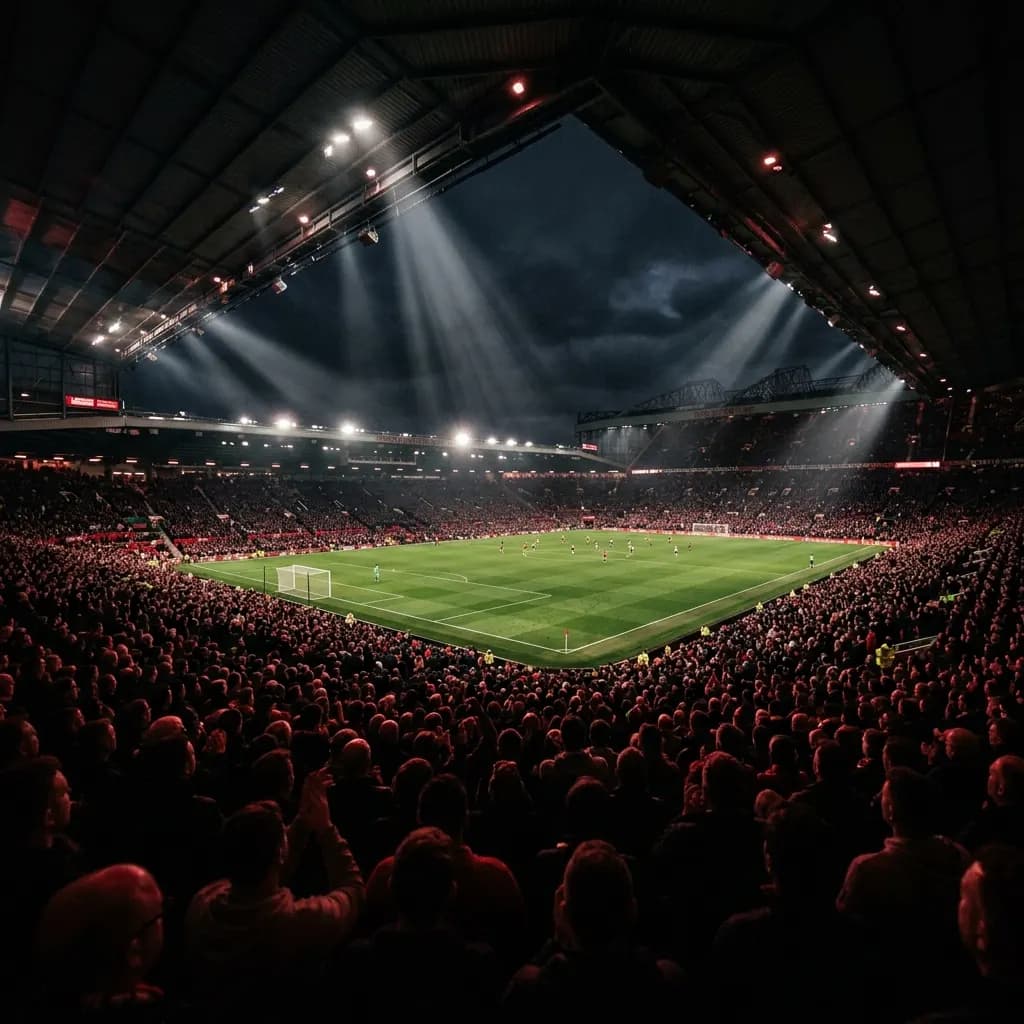
Soldier Field sits on the Chicago lakefront, framed by Lake Michigan to the east and the Museum Campus to the north, and it has been a fixture of the city's sports identity since it opened in 1924. Originally built as a memorial to American servicemembers, the stadium has hosted championship boxing, World Cup soccer, papal visits, and concerts that defined eras, but for modern fans it is first and foremost the home of the Chicago Bears. A dramatic 2003 renovation dropped a modern seating bowl inside the original neoclassical colonnades, producing one of the most architecturally distinctive venues in American sports. Fans visit for the layered history, the unobstructed views of the downtown skyline from the upper deck, and the raw, weather-tested atmosphere that comes with cold-weather football on the lake. It is also the smallest stadium by capacity in the NFL, which gives every seat a sense of proximity that bigger bowls cannot match. Whether the matchup is a division rivalry in December or a September opener under blue skies, a trip to Soldier Field combines a working football cathedral with a uniquely Chicago sense of place that rewards arriving early and lingering after the final whistle.
Seating layout
Soldier Field is organized into three main tiers, and each one delivers a different experience. The lower bowl wraps the field at a steep, intimate pitch, with the 100-level sidelines offering the closest sightlines to the action and the corners and end zones providing a strong combination of value and angle. Lower-level fans sit close enough to hear the pads pop on a goal-line stand, and the sound from the United Club end carries across the bowl. The club level, situated between the lower and upper decks on the sidelines, includes wider seats, indoor lounges, premium concessions, dedicated entry gates, and weather protection that matters in November and December. Club tickets typically include access to climate-controlled spaces with bar service, upscale food stations, and televisions, which makes them a popular choice for hospitality. The upper deck rises sharply above the colonnades, and while the seats are higher, the angle is steeper than at many newer NFL stadiums, so views of the field remain strong. Upper-level sideline seats deliver the best overall sense of formation and play development, while the upper end zones often offer the most affordable entry point. Sun, wind, and visibility shift dramatically by section, so fans should check the orientation before choosing.
Best seats by category
For pure value, the upper-level sidelines around the 30- to 40-yard lines are hard to beat, because the elevated angle gives a coach's view of the play while keeping the price tier accessible. Fans chasing atmosphere often gravitate toward the lower-bowl end zones, where the most vocal Bears supporters cluster and where touchdowns are celebrated up close. For the cleanest view of the action, the lower-level sidelines between the 40-yard lines remain the gold standard, with players, coaches, and officials all within easy sight. The club level is the strongest pick for fans who want comfort, in-seat or near-seat service, and shelter from Chicago weather, and it is often the smartest choice for a first visit or a special occasion. Families tend to do well in the lower corners and lower end zones, where aisles are accessible, exits are close, and concourses are easier to navigate with kids in tow. Whichever tier you target, prioritize sections on the west side for late-afternoon shade in early-season games and the east side for warmer sun exposure during cold-weather matchups on the lake.
Getting there
Soldier Field is one of the most transit-friendly stadiums in the NFL, and most fans skip driving entirely. The CTA Red, Orange, and Green Lines stop at Roosevelt, and from there it is a roughly 15- to 20-minute walk east through the Museum Campus or a short ride on CTA bus routes 146 and 128, which run dedicated gameday service. Metra commuter rail riders typically use the Museum Campus/11th Street station on the Electric District line, which drops fans within a short walk of the stadium. Driving fans have several lot options, including the Waldron Deck, North Garage, and Adler lots, but supply is limited and prices climb steeply for marquee games, so prepaid passes booked in advance are strongly recommended. Ride-share pickup and drop-off zones are designated north and west of the stadium, with traffic flow controlled by Chicago police, and patient riders should expect 30 to 45 minutes of post-game delay. Cyclists can use the Lakefront Trail and dedicated bike parking near the Museum Campus. For fans staying downtown, walking from the South Loop or the West Loop is a realistic option, with the route along Michigan Avenue or the lakefront offering a classic Chicago pregame approach. Arrive early to enjoy the tailgates and avoid bottlenecks at the security perimeter.
Food & concessions
Concessions at Soldier Field lean hard into Chicago food traditions, and that is half the fun of visiting. Look for Chicago-style hot dogs loaded with mustard, relish, onion, tomato, sport peppers, pickle, and celery salt, plus Italian beef sandwiches with sweet peppers or hot giardiniera, and deep-dish slices from rotating local partners. Polish sausages, brats, and elote also appear across the concourses, and the United Club level features upgraded stations with carved meats, chef-driven specials, and craft cocktails. Local craft beer is well represented, with Chicago and broader Midwest breweries pouring alongside the major national labels. Plant-based and gluten-aware options have expanded across the venue, though selection can vary by stand. Outside the stadium, the surrounding Museum Campus is not a restaurant district, but a short walk or quick ride brings fans into the South Loop and the West Loop, where pregame and postgame options range from classic Chicago steakhouses and pizzerias to neighborhood sports bars. For the most authentic Bears-day meal, many fans head north toward the South Loop bars on Michigan Avenue or south toward Bridgeport for a more local feel.
Matchday tips
Gates typically open about two hours before kickoff, and arriving early is the smartest move at Soldier Field, both to enjoy the lakefront and to clear the security perimeter without stress. The stadium enforces the standard NFL clear bag policy, which allows clear plastic, vinyl, or PVC bags up to 12 by 6 by 12 inches, plus a small clutch the size of a hand. Non-approved bags are turned away at the perimeter, so plan ahead. Walk-through metal detectors operate at every gate, and items such as outside food, large umbrellas, professional cameras with detachable lenses, and noisemakers are generally prohibited. Mobile ticketing is the standard, so download tickets to your phone wallet before leaving home and ensure your battery is charged, since cell service can slow in dense crowds. First-time visitors should dress for the weather, especially late in the season when lake-effect wind and cold can be intense, layering with hats, gloves, and waterproof outerwear. Familiarize yourself with your gate, section, and nearest restrooms ahead of kickoff. Plan a postgame meeting point outside the stadium with anyone in your group in case cell coverage drops.
Tickets buying strategy
Soldier Field tickets follow predictable seasonal patterns that informed fans can use to their advantage. Demand and prices typically run highest for division rivalry games against the Green Bay Packers, Minnesota Vikings, and Detroit Lions, for marquee non-conference opponents, and for nationally televised primetime windows. September home dates with pleasant weather and December games with playoff implications also tend to command stronger pricing, while early-window games against less prominent opponents in November often present the softest market. As a general rule, the resale market loosens in the 48 to 72 hours before kickoff for non-marquee matchups, especially in the upper deck and corners, while premium and rivalry games tend to hold value all the way to the gate. Fans planning a trip should target lower-demand windows for the best value, and consider the club level for hospitality-driven occasions. For a current view of available inventory, schedule details, and ticket options across the season, see the Chicago Bears team hub on this site, which keeps event listings, opponents, and dates synced for every Soldier Field home game.