
TD Garden
Boston · Home of Boston Celtics / Boston Bruins
About TD Garden
TD Garden sits on top of North Station in the heart of Boston's West End, a steel-and-glass arena that has carried the city's basketball and hockey heartbeat since it replaced the legendary Boston Garden in 1995. It is the shared home of the Boston Celtics and the Boston Bruins, two of the most decorated franchises in North American sport, and the rafters tell that story better than any plaque could. Championship banners in green and gold hang alongside Stanley Cup and division flags in black and gold, framed by the retired numbers of Russell, Bird, Havlicek, Orr, Bourque and more. Fans come for the on-ice and on-court product, but they stay because the building feels like a museum that still hosts a game every other night. Concerts, college hockey's Beanpot, NCAA tournament rounds and family shows round out a calendar that rarely goes dark. Whether you are planning a first visit from out of town or a regular season night in your own city, TD Garden delivers the unusual combination of historic weight and modern arena comfort that defines the best big-league venues in the United States. It is the kind of room where pregame noise tells you a Boston team is about to play.
Seating layout
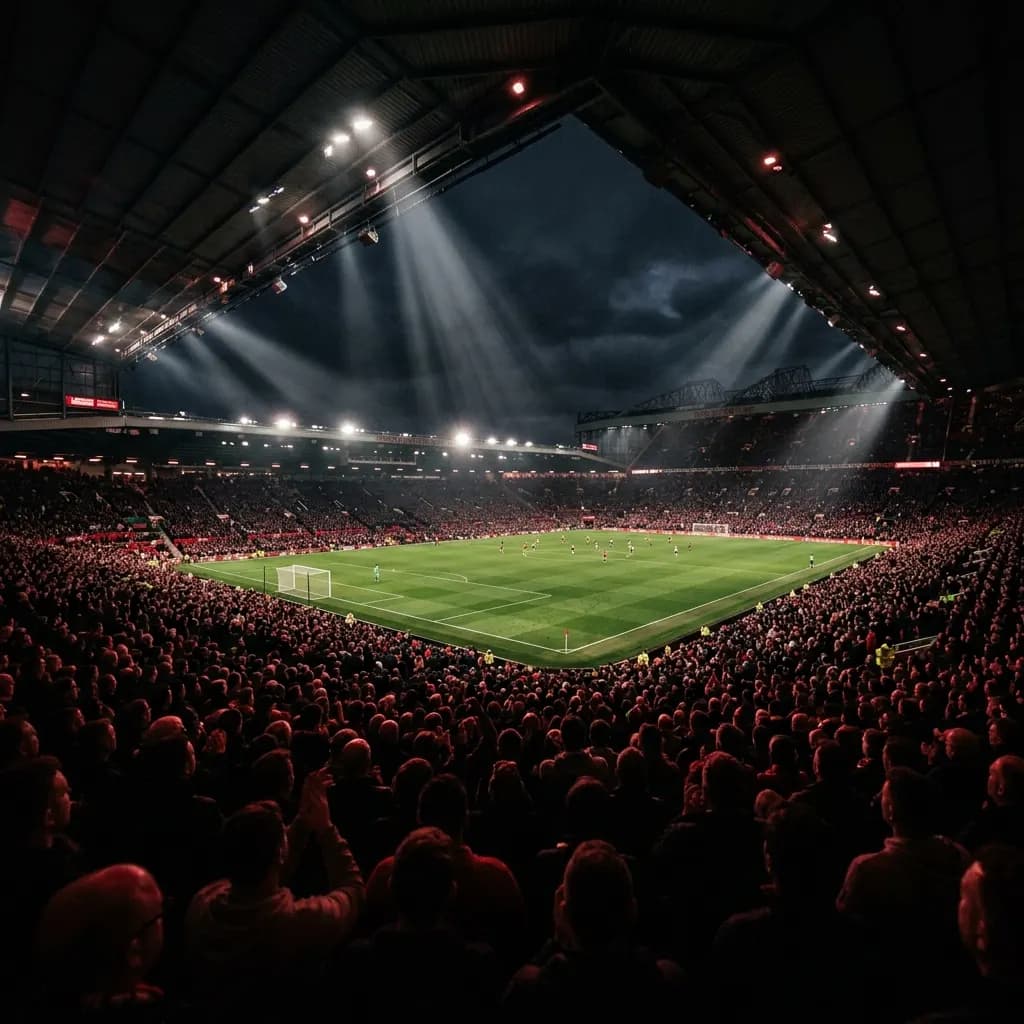
The bowl at TD Garden is built in three main tiers, and each one offers a distinct experience that should shape how you plan a visit. The Loge level is the lower bowl that wraps the floor and ice, with sightlines that put you close enough to read body language on a Celtics pick-and-roll or hear pucks bang off the boards during a Bruins shift. Loge sideline and center-ice rows are the most coveted general seats in the arena. Above Loge sits the Club level, a premium tier that combines elevated views with access to indoor lounges, dedicated entries and upgraded food and drink. Club seats trade some proximity for comfort, shorter concession lines and a calmer concourse, which suits families and corporate nights well. The Balcony, the upper deck, rings the building above the club ring. The first several rows of Balcony are often the smartest spend on the night, with clean sightlines, the full sweep of the action and the loudest crowd noise as fans on their feet pour energy down toward the floor. Behind-the-basket and behind-the-net Balcony sections give you the best read of offensive sets and power-play structure. Standing-room and limited-view inventory occasionally appears for sold-out nights and should be checked against the seat map before purchase, especially in the corners.
Best seats by category
For pure value, target the first few rows of the Balcony along the sideline at a Celtics game or above the blue lines for the Bruins. You get an elevated, tactical view of the floor or ice without paying lower-bowl prices, and the angle is genuinely useful for following set plays and line changes. For atmosphere, the Balcony ends behind the basket or net are where the loudest, most committed fans congregate, especially during playoff runs and rivalry games against teams like the Lakers, Knicks, Canadiens or Maple Leafs. If your priority is a true close-up view of stars, Loge sideline rows between the free-throw lines or center-ice Loge are the strongest options, and they tend to hold their value on resale. Families with younger fans often do best in Club seats, where padded chairs, indoor concourses and shorter restroom and concession lines reduce the friction of a long night. Avoid extreme corner Balcony rows in the very back if sightlines matter, and double-check the seat map for handrail or camera-platform obstructions. For ticket links by team, see the Celtics and Bruins hubs on this site, which surface verified inventory across the schedule.
Getting there
TD Garden is one of the most transit-friendly venues in North American sport, which should be the default plan for almost every visitor. The arena sits directly above North Station, served by the MBTA Orange and Green Lines as well as commuter rail routes from the North Shore and northwestern suburbs. From downtown hotels, the Green Line ride is short, and from Back Bay or the South End you can connect through Park Street or Government Center. The Haymarket stop on the Orange and Green Lines is also a short walk away. Driving in is possible but rarely the smartest choice on game nights. The garages closest to the building, including the venue's own parking structure on Causeway Street and nearby commercial garages, fill quickly and command premium event pricing. If you must drive, book a spot in advance through a parking marketplace and aim to arrive well before tip-off or puck drop. Ride-share is a reasonable middle path. Designated pick-up and drop-off zones are signposted around the arena, but expect surge pricing and longer waits in the thirty minutes after the final buzzer. For many fans the best plan is to walk in via the North End or West End from a pregame dinner, then ride transit out once the post-event crush has cleared.
Food & concessions
Concessions at TD Garden lean into Boston identity without losing arena basics. You will find New England clam chowder served in bread bowls, lobster rolls in season, Italian sausage and pepper sandwiches, Fenway-style hot dogs and a strong roster of local craft beer alongside national brands. Sam Adams and other Massachusetts breweries are well represented at bars throughout the concourse. Premium club levels add carved meats, sit-down dining options and quieter bars that are worth the upgrade on date nights or client outings. For pregame and postgame, the surrounding West End and North End are among the best food neighborhoods of any arena district in the country. The Hub on Causeway development directly outside the arena hosts restaurants, a beer hall and quick-service spots that are built for game-night turnover. A short walk into the North End opens up Boston's classic Italian restaurants and bakeries on Hanover Street, ideal for a proper sit-down meal before tip-off or a cannoli after the final horn. Faneuil Hall and Quincy Market are also within easy walking distance for casual groups. Arrive early enough to enjoy the neighborhood; food is part of the night, not just an intermission stop.
Matchday tips
Plan to arrive at TD Garden at least 45 to 60 minutes before tip-off or puck drop, especially on weekends, rivalry nights and playoff games. Doors typically open about 90 minutes before the scheduled start, and pregame ceremonies, banner moments and warmups are worth catching from your seat. Security uses walk-through metal detectors at every entry, and the venue enforces a clear-bag policy: small clutch bags within published size limits are allowed, while larger backpacks and non-clear totes will be turned away at the door. Always check the current bag policy on the official TD Garden site before traveling. Mobile ticketing is the standard, so download your tickets to your phone's wallet in advance and keep your screen brightness up at the gate. First-time visitors should enter through the main Causeway Street doors to take in the banners and concourse displays on the way to their section. Cashless payment is the norm at concessions, alcohol sales end at the published cutoff during the game, and re-entry is generally not permitted once you have scanned in. Build the night around a pregame meal nearby, then walk over and settle in early.
Tickets buying strategy
The smartest TD Garden ticket strategy starts with the schedule. For Celtics and Bruins regular season games against mid-tier opponents on weeknights, prices on the secondary market tend to soften in the final 48 to 72 hours before tip-off or puck drop, especially in Balcony and upper Loge. Marquee matchups against historic rivals, nationally televised games and weekend dates hold their value longer and can rise as the date approaches, particularly when both teams are contending. Playoff inventory moves fastest of all and rewards early planning. Watch for schedule release windows, set price alerts on the seats you actually want rather than the cheapest available, and compare per-ticket totals after fees, not sticker prices. Group sizes of three or more sometimes find better value by splitting across two adjacent rows in the Balcony rather than chasing four together in Loge. For verified inventory across the season, use the Celtics and Bruins team hubs on this site, which link through to live availability for every home date. Avoid last-minute walk-up purchases at the arena on big nights; by then the best seats are gone and what remains is rarely the right value.