
United Center
Chicago · Home of Chicago Bulls / Chicago Blackhawks
About United Center
United Center sits on Chicago's Near West Side, a 23,500-seat arena that has anchored the city's professional basketball and hockey calendar since it opened in 1994. The building replaced the old Chicago Stadium across the street and was conceived from the start as a dual-tenant home, designed to handle the back-to-back demands of an 82-game NBA schedule and a parallel NHL season. Fans visit because the United Center is the rare venue that carries genuine modern history: it was the launchpad for the second Chicago Bulls three-peat, the long-standing home of the Blackhawks during their championship era, and a consistent stop on the touring circuit for the biggest concerts in North America. The pre-game ritual outside the Michael Jordan statue, the United Center organ during Blackhawks goals, and the post-Anthem roar are part of the trip itself. Whether the draw is the Bulls in winter, the Blackhawks on a Saturday night, or a marquee tour date, the building is built for atmosphere first and convenience second, and that trade-off is part of why fans keep coming back season after season.
Seating layout
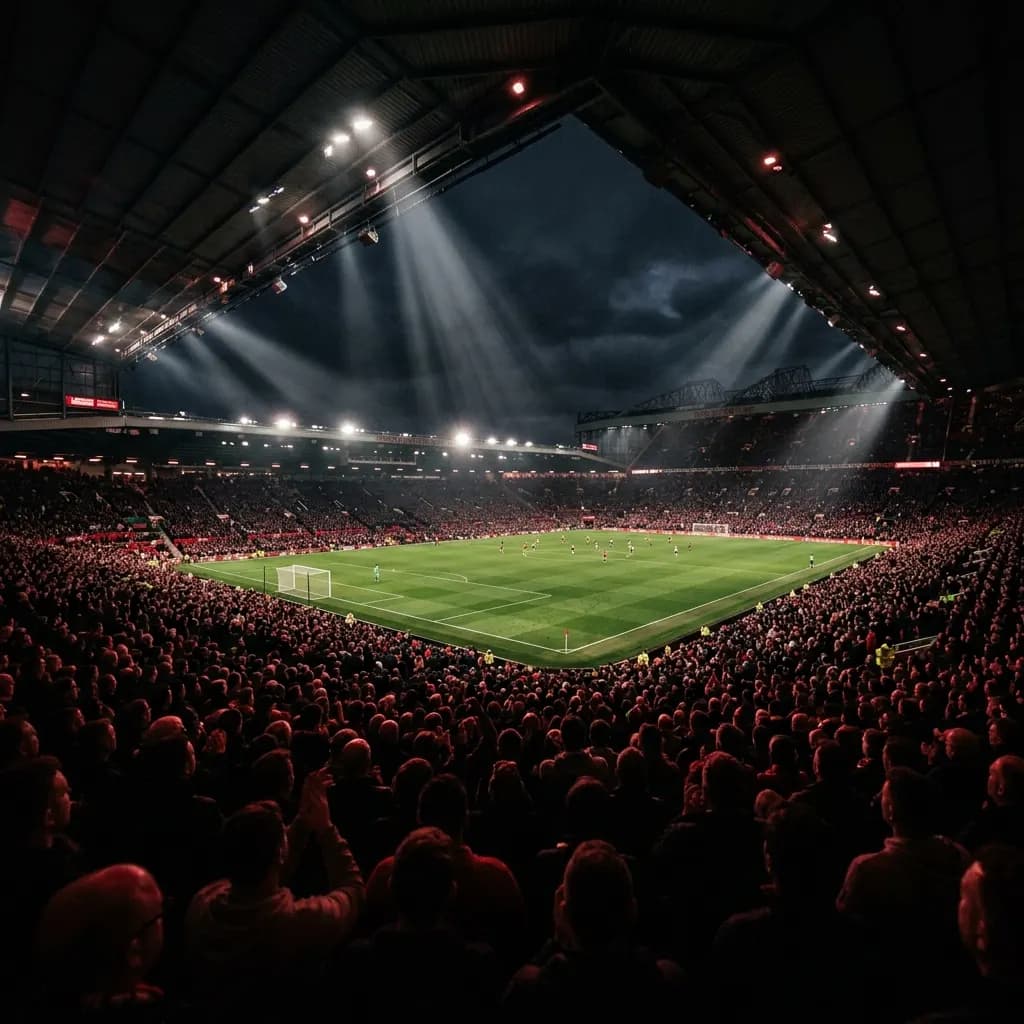
United Center seating is split into three clearly defined tiers, and understanding which tier you are in is the single most important factor in how the night feels. The 100 Level lower bowl wraps tightly around the floor and the ice, with sideline and center-ice sections delivering the broadcast-style view most visitors picture when they imagine the arena. Behind-the-basket and behind-the-net seats in the 100s sit closer to the action than many fans expect and tend to price more accessibly than center sections. The 200 Level is the club tier, a ring of premium seats with access to dedicated lounges, shorter concession lines, and wider, padded chairs. The view from the 200s is elevated but still very much inside the action, and these seats are the most consistent overall experience in the building for fans who want comfort without sitting on the floor. The 300 Level upper bowl is the largest section by capacity and the most affordable, with steep rake that keeps sightlines honest even from the back rows. Corner 300s above the goal or basket can offer surprisingly good geometry of play. Standing-room and limited obstructed seats also appear for high-demand dates and trade depth for price.
Best seats by category
For pure value, the lower 300 Level along the sidelines or blue lines is the sweet spot at United Center. You get an elevated, full-ice or full-court view, honest sightlines, and a price point that leaves room for parking and food. For atmosphere, the corners of the 100 Level behind the basket for Bulls games and behind the attacking net for Blackhawks games are loud, tribal, and full of season-ticket regulars who set the tone of the crowd. For the cleanest tactical view, target center-court or center-ice in the 200 Level club sections, where the elevation lets you read spacing and shape without losing the speed of play. For families, the upper 300 Level along the sides offers room to breathe, easier access to concourses, and a calmer environment for younger fans on their first NBA or NHL night. Whichever tier you target, prioritize rows that put you above the entry tunnel rather than directly in front of it, and check the team hubs on this site for current ticket inventory and matchup-specific options before committing.
Getting there
United Center sits about two miles west of the Loop and is best reached by a layered plan rather than one single route. By transit, the CTA Pink and Green Lines stop at Ashland, with a roughly fifteen-minute walk east to the arena, and several CTA bus routes including the 19 United Center Express run on event nights from downtown directly to the gates. Metra users typically connect through Ogilvie or Union Station and transfer to a bus or rideshare for the final leg. By car, the arena is reached from I-90/94 at the Madison Street exit, and official surface lots and garages surround the building on all four sides. Prepaid parking through the team or arena tends to be cheaper than gameday cash rates and guarantees a spot inside the secure perimeter, which matters on weeknights with overlapping events. Rideshare drop-off and pickup zones are designated and signposted; expect surge pricing in the thirty-minute window after the final buzzer and consider walking a few blocks east toward the West Loop to clear the cordon faster. Walking from the West Loop restaurant district takes roughly twenty to twenty-five minutes along Madison Street and is a popular pre-game routine for fans pairing dinner with the game.
Food & concessions
Concessions at United Center reflect Chicago's food identity more than the generic arena template. Expect Chicago-style hot dogs done correctly, Italian beef sandwiches dipped to order, deep-dish slices, and Polish sausage stands scattered through both the 100 and 300 Level concourses. Signature items include the Connie's deep-dish pizza counters, beef stands tied to local Chicago institutions, and rotating craft beer pours from Illinois breweries at the dedicated taproom locations. Club Level guests in the 200s have access to expanded lounge menus with shorter lines, which can matter when minutes between periods are tight. Plant-based and gluten-aware options have expanded across the concourses in recent seasons, and water bottle refill stations are now standard. Outside the arena, the West Loop is one of the strongest pre-game dining neighborhoods in American sports, with everything from Greektown classics on Halsted to acclaimed Randolph Street and Fulton Market restaurants within a fifteen-minute walk or short rideshare. Many fans book an early reservation in the West Loop and walk in, which turns the trip from a game into a full Chicago night.
Matchday tips
Gates at United Center typically open ninety minutes before tip-off or puck drop, with select premium entrances opening earlier for club and suite holders. Plan to be through security at least thirty minutes before the scheduled start to absorb the line at the metal detectors and still catch warmups and the national anthem, which is a destination moment in itself for Blackhawks games. The arena enforces a clear bag policy: small clutches roughly the size of a hand are allowed, and clear bags within published size limits are permitted, but backpacks, oversized totes, and non-clear bags are not. Cameras with detachable lenses, professional audio gear, outside food and drink, and any noisemakers tend to be restricted. Mobile ticketing is standard, so download tickets in advance, take a screenshot as a backup, and make sure your phone has charge for re-entry scans. First-time visitors should budget time before the game for the Michael Jordan statue and the team store on the east side of the building. Choose your gate based on your section to minimize concourse walking once inside.
Tickets buying strategy
Ticket strategy for United Center depends almost entirely on opponent and date. Bulls weekend games against marquee Eastern Conference opponents, national TV dates, and any visit from a current superstar move first and hold value latest. Blackhawks pricing follows a similar curve, with Original Six matchups and Saturday night home games consistently among the strongest dates on the schedule. Weeknight November and January games against lower-profile opponents are where patient buyers find the most flexibility, both in price and in seat selection. Prices typically firm up in the final 72 hours before tip-off or puck drop, and last-minute drops are inconsistent and not worth banking on for a must-see game. For playoff dates, buy early and accept that demand only compresses as the series progresses. Always confirm the section, row, and any obstructed-view notes before completing a purchase, and use the Bulls and Blackhawks team hubs on this site to compare current inventory across tiers before deciding which seats fit your budget and what kind of night you want at United Center.