
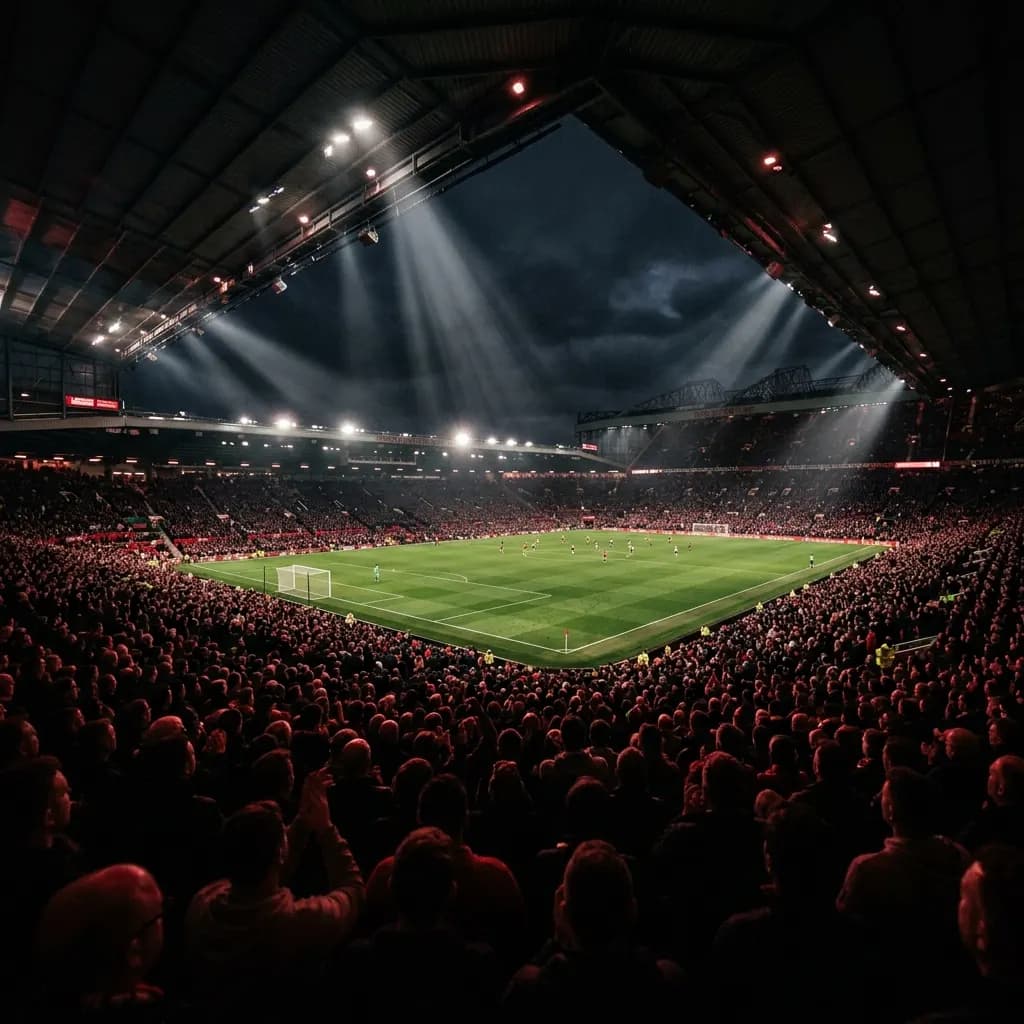
Seating Chart · Madison Square Garden · New York
Madison Square Garden Seating Chart — Section Guide & Best Seats
Madison Square Garden is a 19,812-seat arena in the Midtown Manhattan area of New York home to New York Knicks and New York Rangers. As a multi-sport venue, the seating configuration and crowd dynamic shift between events. At arena scale, seating decisions come down to one central trade-off: proximity versus full-court (or full-rink) view. Courtside and rinkside puts you closest to the action but sits low to the floor. The lower bowl balances nearness and a complete view of the field of play. The upper bowl is the value tier — and for fast-moving sports where reading the whole sheet of ice or full court matters, it often rewards you with a wider, more tactical vantage. Knowing which sections work best at this specific 19,812-seat venue is the difference between a great seat and one that misses half the play.
Madison Square Garden — Venue Profile
Venue Scale & What It Means for Seating
At 19,812 seats, Madison Square Garden is one of the larger arenas in its class. The scale means more section choices and wider price gaps between tiers. Upper-bowl seats here are genuinely far from the action — more so than at a sub-15,000-seat arena — so the value trade-off is real. If proximity matters, invest in the lower bowl; if reading the whole game matters more, the upper bowl delivers a complete tactical view.
How Madison Square Garden’s Construction Affects Seating
Madison Square Garden opened in 1968, making it one of the older venues still hosting events. At 58 years old, the bowl geometry reflects an era when steep, close-packed seating was the standard. Expect narrower seats and steeper rake angles than newer venues, which translates to surprisingly good sightlines from the upper levels but less leg room throughout. The concourses at classic-era venues tend to be tighter, so plan extra time for concession runs between periods or halves.
Multi-Sport Seating at Madison Square Garden
Madison Square Garden hosts multiple teams, and the seating experience changes depending on which sport you are attending.
Madison Square Garden is a multi-team venue, home to New York Knicks and New York Rangers. The seating experience changes depending on which team is playing because the field or court configuration, sightlines, and crowd energy shift between sports.
When Madison Square Garden hosts hockey, the ice surface is narrower and longer than a basketball court, which means corner sections that feel close during basketball games can angle away from the far end of the rink during hockey. Lower-bowl sections at center ice are premium for both sports, but sections behind the goals are better value during hockey (you see the puck approach the net) than during basketball (you are farther from the main basket). The floor-level configuration also changes: courtside seats during basketball games become glass-side rinkside seats for hockey, with boards and glass between you and the playing surface. Upper-bowl center sections work well for both sports because the full court or full sheet of ice reads as a single picture from above.
Section Breakdown — Madison Square Garden
Each section is rated by sightline quality, best use case, and what to avoid — so you can match the section to your priority before you buy.
Floor-level seats at Madison Square Garden put you within feet of the players, but you sit low and can lose the far side of the action behind bodies and benches. They carry the highest prices in the building. The back rows of the floor are essentially a lower-bowl view without the elevation, so compare prices: if back-floor is within $20 of lower-bowl reserved, the bowl seat wins on sightline every time.
Center sections in the lower bowl at Madison Square Garden are the most desirable reserved seats. Madison Square Garden's 19,812-seat capacity means more sections per level and wider numbering ranges than a typical arena. Allow extra time to find your section, especially on the upper level where section counts are highest. Aim for center-court or center-ice rows 10-25 — far enough up for full sightlines, close enough to read jersey numbers without the scoreboard. Corner sections nearest the goals can flatten your angle on the far end of the play; worth checking the interactive seating map before buying.
Club-level seats at Madison Square Garden typically include wider seats, dedicated concourses, and in-seat food service. The club level at this older venue was often a retrofit addition, so the overhang geometry may differ from newer arenas. Check your specific section for scoreboard visibility. Loge rows 2-5 keep the full board in view better than row 1.
Upper-bowl tickets at Madison Square Garden routinely go for 40-70% less than lower-bowl equivalents. At Madison Square Garden's scale, the upper bowl is genuinely distant — the farthest rows can be over 250 feet from the floor. Upper-center sections directly facing the action make the biggest difference here. Stick to upper-center sections rather than side corners for the straightest sight angle on the action.
Best Seats by Use Case — Madison Square Garden
Different priorities call for different sections. Here are the picks for the most common seating decisions at this 19,812-seat arena.
Upper-bowl center sections at Madison Square Garden deliver the best cost-per-experience ratio. You pay 40-70% less than lower-bowl and get a complete view of the full field of play. The best vantage for following fast, tactical sports from above.
For clean sightlines without compromise at Madison Square Garden, lower-bowl center sections offer the best angle on the action. Rows 10-25 here are the consistent pick for buyers who care about reading jersey numbers and watching plays develop without relying on the scoreboard.
Families with younger children at Madison Square Garden should target lower-bowl aisle seats, which allow easy exit for bathroom trips and keep kids close to the concourse. Center-bowl rows give the clearest view of the whole game for first-time fans.
Accessible seating at Madison Square Garden is available across multiple price tiers. The accessible-seating interface lists companion seats alongside ADA positions. Wheelchair platforms are typically located at accessible vantage points with ramp and elevator access to all levels.
Getting to Madison Square Garden in Midtown Manhattan
Madison Square Garden sits in the Midtown Manhattan area of New York. The neighborhood around the venue shapes the pre-game and post-game experience — dining options, walkability, and transit connections all factor into how early you should arrive and how you plan to exit after the event. Arriving early gives you time to explore the area and avoid the last-minute parking or transit rush that peaks 30-45 minutes before doors.
Price Tier Expectations — Madison Square Garden 2026
Ticket prices vary by matchup, demand, and sale timing. The ranges below reflect typical 2026 market prices for events at Madison Square Garden, a 19,812-capacity arena in a high-demand market. Dynamic pricing means face value can shift — check on a Tuesday or Wednesday for the most stable prices.
Premium proximity pricing; dynamic on game day. Prices vary by matchup — NBA/NHL games at this venue may price differently.
Mid-tier; best seats in this range book first.
Value pick in the lower section.
Comfort premium; includes amenities.
Best value; strong sightlines for reading the whole game.
Cheapest seats; verify sightline before buying.