MLB Rivalry
Los Angeles Dodgers vs San Francisco Giants
About the Los Angeles Dodgers vs San Francisco Giants rivalry
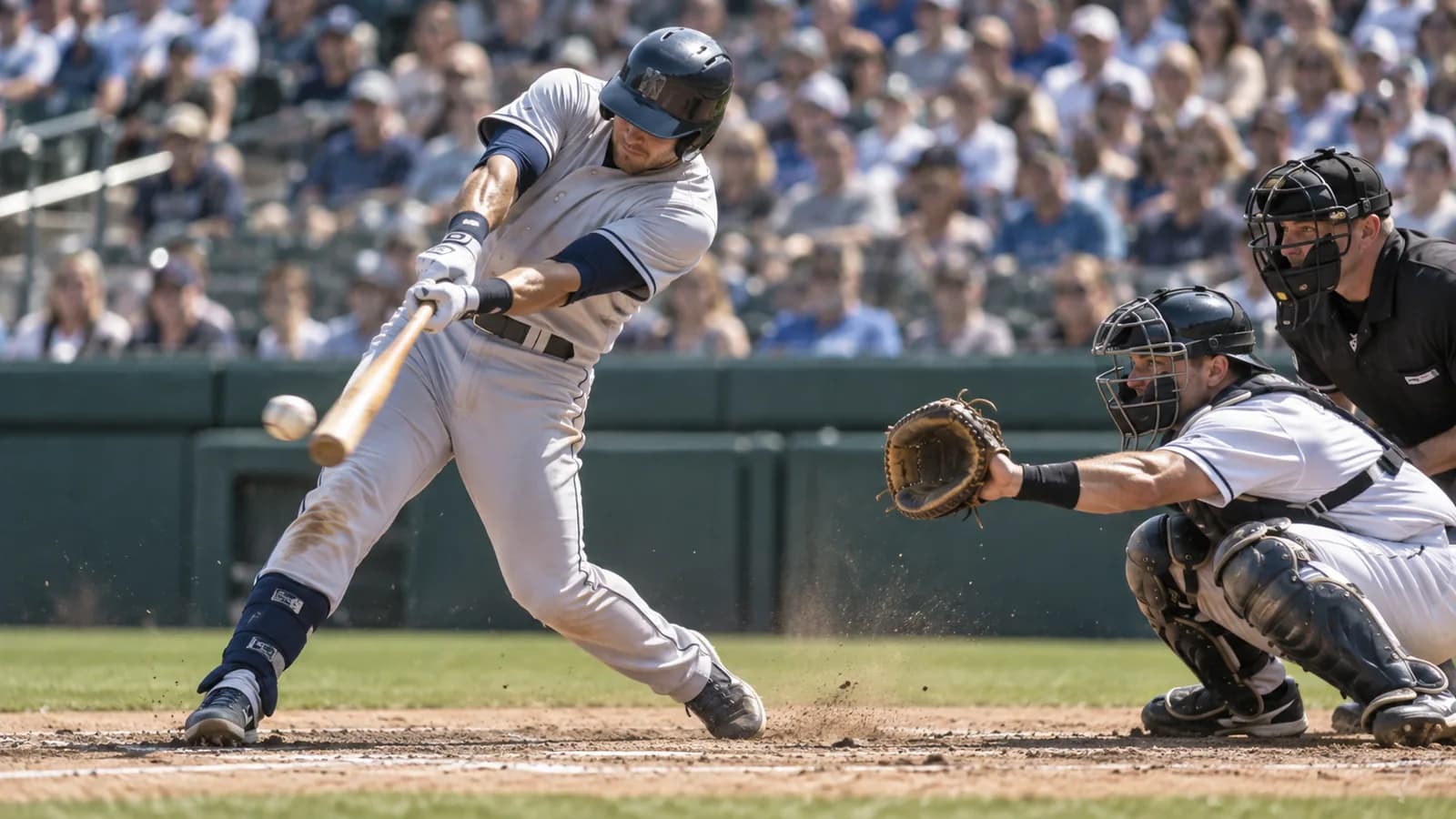
Los Angeles Dodgers versus San Francisco Giants is the oldest and most geographically charged rivalry in Major League Baseball, a feud that predates the West Coast itself. Born in the cramped boroughs of New York as the Brooklyn Dodgers and New York Giants, the two franchises moved together to California in 1958, carrying their mutual contempt across the country and replanting it on opposite ends of the Golden State. The 383 miles of Interstate 5 between Dodger Stadium and Oracle Park have become the spine of the National League's most enduring divide, a stretch of road where blue and orange refuse to mix. For more than a century, every pennant chase, every September series, and every meaningless April Tuesday has carried the weight of identity politics: Northern California against Southern California, fog against sunshine, garlic fries against Dodger Dogs. The rivalry has defined eras for both clubs, dictated managerial careers, and produced some of the loudest, most uncomfortable atmospheres in the sport. It is the rare rivalry that matters equally to both fan bases, and one of the few in American sports where the standings are almost secondary to the principle of beating the other side.
History & key moments
The Dodgers and Giants have shared a schedule since 1890, and the through-line of their history reads like a parallel biography of the National League itself. The 1951 pennant playoff between the Brooklyn Dodgers and New York Giants, decided by Bobby Thomson's pennant-winning home run, remains one of the most replayed moments in baseball broadcasting, and it set the emotional baseline for everything that followed. When both clubs relocated to California in 1958, they transplanted the rivalry intact, opening their first West Coast season against each other in San Francisco. The 1962 National League tiebreaker series, again decided in three games, echoed 1951 and reminded both fan bases that nothing between these clubs is ever truly settled. Through the Koufax and Mays eras, into the Garvey and McCovey years, and onward to the matchups between Clayton Kershaw and Madison Bumgarner, the rivalry has reliably featured first-ballot Hall of Famers in head-to-head competition. The Giants' three World Series titles in the 2010s and the Dodgers' run of consecutive division crowns layered new tension onto an old feud, and the 2021 National League Division Series, the first postseason meeting between the two franchises, finally delivered the playoff confrontation fans had waited decades to see. Beyond the marquee moments, the rivalry's character has been shaped by managerial chess matches, bench-clearing flashpoints, and the simple cumulative weight of more than 2,500 games. Every era, regardless of standings, has produced its own defining series.
Ticket pricing & demand
Tickets for Dodgers versus Giants games consistently sit at the top end of the regular-season market for both clubs, often pricing closer to a playoff game than a midweek series against a non-divisional opponent. Demand patterns are predictable: weekend games carry the largest premium, opening series and final home series of the year draw the steepest secondary-market prices, and any matchup with playoff implications late in the season can compress availability within days of the schedule release. Single-game inventory typically opens after the MLB schedule is announced in the winter, and committed fans who target specific dates are best served buying at that moment rather than waiting for closer to first pitch. As the date approaches, prices for this rivalry tend to firm rather than soften, the opposite of what happens with most series. Visiting fans traveling between Los Angeles and the Bay Area should plan flights and hotels before locking in seats, since weekend rivalry trips routinely sell out hotel inventory near both ballparks. For fans who want flexibility, midweek games earlier in the season offer the most accessible entry point, while Friday and Saturday games command a clear qualitative premium. Full ticket availability and current pricing for both ballparks is maintained on the Los Angeles Dodgers and San Francisco Giants team pages on this site, which list every home date as it goes on sale.
Best seats for a rivalry game
Visiting fans at Dodger Stadium tend to cluster in the reserved level along the third-base line and in the pavilion sections, where orange jerseys are tolerated more comfortably than in the premium field-level seats behind home plate. At Oracle Park, traveling Dodgers supporters often prefer the View Reserve sections above third base, which offer one of the best skyline-and-bay panoramas in the sport and provide a measure of distance from the most partisan lower-bowl crowds. For neutral atmosphere with strong sightlines, the loge level at Dodger Stadium and the Club Level at Oracle Park both deliver excellent views of the action without the intensity of field-level rivalry seating. Fans who want to be inside the loudest pockets of crowd noise should look at the bleachers and pavilion at Dodger Stadium or the Arcade and bleacher sections in right field at Oracle Park. Families and first-time visitors may prefer upper-deck seating, which during this series still carries genuine playoff-style energy without the sharper edges found closer to the field.
Matchday — what to expect
A rivalry matchday between the Dodgers and Giants does not feel like a normal regular-season game, and planning should reflect that. Both ballparks fill noticeably earlier than usual, with batting practice drawing larger crowds and the surrounding neighborhoods, Chavez Ravine in Los Angeles and Mission Bay in San Francisco, congesting well before first pitch. Public transit is the strongest option at Oracle Park, where Muni and BART connections feed directly into the South Beach area, while Dodger Stadium's hillside location makes rideshare, the Dodger Stadium Express bus from Union Station, or carpooling the most reliable choices. Visiting fans are generally advised to wear team colors with confidence but to read the room, particularly in the lower bowls and on concourses after late-inning swings. Concession lines run longer than for most series, so arriving with time to settle in is sensible. The on-field energy from the first inning typically matches what other ballparks reserve for the postseason, with every pitch in a close game drawing a real reaction from the crowd. National broadcasts often pick up these series, which means first-pitch times can shift to the evening on weekends, a detail worth confirming before booking travel. For weekend trips, fans frequently build a two- or three-game itinerary around the series, treating it as a baseball weekend rather than a single outing.
Help center
Los Angeles Dodgers vs San Francisco Giants tickets — frequently asked questions
Contact our team for help using the site. For an existing order, the seller shown at checkout handles payment, delivery, and order support.
Contact supportWhy buy here
Ticket partner offers
Listings identify the partner or seller that provides the offer and handles the purchase.
Seller protection terms
Buyer protection and refund terms depend on the selected seller; review them before checkout.
Venue maps where available
Interactive seating geometry is shown when matching venue data is available for the event.
Delivery details by offer
The selected seller provides the delivery method and timing for each listing.
Partner-fed prices
Displayed prices come from ticket partner inventory and refresh on each feed's update schedule.
Help with listings
Contact AllSportsTicket about a site listing; the marketplace seller handles orders, delivery and refunds.