NBA Rivalry
Golden State Warriors vs Cleveland Cavaliers
About the Golden State Warriors vs Cleveland Cavaliers rivalry
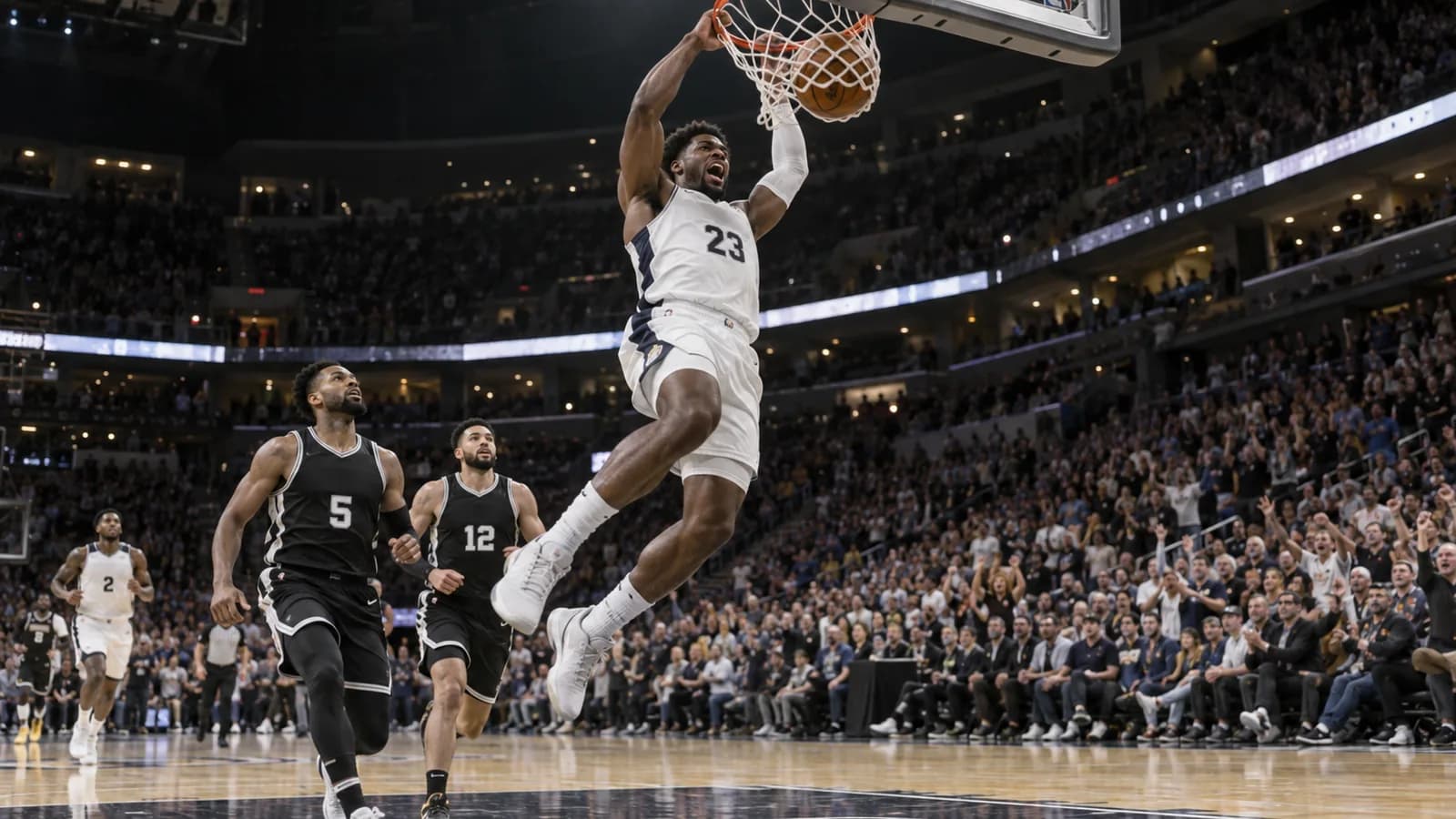
Golden State Warriors versus Cleveland Cavaliers is the rivalry that defined a generation of NBA basketball. For four straight seasons, from 2015 through 2018, these two franchises met on the league's biggest stage, an unprecedented run in modern Finals history that turned every regular-season meeting between them into appointment viewing. On one side stood a Warriors dynasty built on perimeter shooting, ball movement, and a small-ball template that reshaped how the league plays. On the other, a Cavaliers team anchored by a generational superstar carrying his home-state franchise through one of the most scrutinized stretches in Eastern Conference history. The matchup pulled in casual viewers, sold out arenas months in advance, and dominated cultural conversation in a way few NBA rivalries ever have. Even as rosters have turned over and the Finals series has paused, the meaning has not faded. When these two teams share a floor, fans still arrive expecting something larger than a standard regular-season night, and broadcast partners still treat the game as a marquee window. For neutrals planning a trip and for partisans tracking the league calendar, Warriors versus Cavaliers remains one of the most identifiable headlining matchups in American team sport.
History & key moments
The rivalry's foundation is the four-year Finals run from 2015 to 2018, a stretch that produced some of the most discussed playoff basketball of the decade. The 2015 Finals introduced the matchup to a global audience and announced the Warriors as the league's new measuring stick. The 2016 Finals reversed the result and delivered what is widely regarded as the defining title in Cleveland sports history, a comeback series that ended the city's long championship drought. The 2017 and 2018 Finals tilted back to Golden State as the Warriors' roster reached its competitive peak, but each series carried its own subplots, late-game sequences, and individual performances that quickly entered NBA folklore. Regular-season meetings during that window were treated as miniature Finals previews, with national broadcast windows, sold-out buildings, and a level of media attention typically reserved for postseason play. Key narratives spanned coaching adjustments, the evolution of three-point shooting, and the contrast between two very different roster-building philosophies. Players on both sides became household names well beyond the usual NBA core audience. Even after the rivalry shifted away from Finals stages, the matchup has retained its weight because of what those four years represented. Fans who lived through that era still treat any meeting between these two franchises as a chance to revisit a stretch of basketball history that reshaped how teams compete for championships and how the league markets its biggest games.
Ticket pricing & demand
Tickets for Warriors versus Cavaliers tend to sit well above a standard regular-season night for either franchise. Demand is driven by the rivalry's recent Finals history, the national broadcast appeal it still carries, and the consistent travel interest from out-of-market fans who plan vacations around marquee games. In San Francisco, the matchup typically lands among the higher-priced home dates on the Warriors' calendar, particularly on weekends or during nationally televised windows. In Cleveland, the visit of the Warriors usually qualifies as one of the most in-demand Cavaliers home games of the season. Pricing patterns mirror most premium NBA matchups: the secondary market opens strong when the schedule is released, softens slightly through the season, and then tightens again as tip-off approaches if either team is in a playoff race. Buyers planning ahead generally benefit from securing seats early, especially for lower-bowl inventory and any club-level sections. Last-minute buyers can sometimes find upper-bowl value as kickoff nears, but selection narrows quickly. For verified inventory and current availability, fans can check the dedicated team hubs on this site for the Golden State Warriors and the Cleveland Cavaliers, which list upcoming home dates and link directly to ticket pages for each game on the schedule.
Best seats for a rivalry game
For a rivalry game of this profile, seat selection matters more than on a routine night. Lower-bowl sideline sections offer the cleanest view of half-court action and are the most sought-after inventory for both home crowds. Corner sections in the lower bowl deliver strong sightlines at a more accessible price point and tend to be a smart compromise. Behind-the-basket seats provide a closer feel to player intensity and are popular with fans who want to be in the middle of crowd energy. Visiting fans traveling in should expect a heavily partisan home environment in either building, with most neutral pockets concentrated in upper-bowl corners and certain club areas. Wearing road colors is generally welcomed, but groups planning to sit together should book early to avoid being split across sections. Club-level and premium hospitality areas remain the most comfortable option for travelers who want food, beverage, and easier access in and out of the arena. Families should look at upper-bowl center sections for the best balance of view and value.
Matchday — what to expect
A Warriors versus Cavaliers matchday feels closer to a postseason atmosphere than a typical regular-season night. Expect heavy foot traffic around the arena well before tip-off, a longer-than-usual security queue, and a sold-out building by the time the starting lineups are announced. National broadcast crews are often on site, which adds production presence around the concourse and means tip-off times can shift to fit prime windows. Plan to arrive at least 60 to 90 minutes early to get through entry comfortably, find your section, and take in pregame warmups, which themselves draw large crowds for this matchup. Transit and rideshare demand spikes sharply on rivalry nights, so public transport or pre-booked parking is usually the more reliable option. Inside the arena, expect a louder, more sustained noise level than on standard nights, with bigger reactions to runs, technical fouls, and clutch-time possessions. Concession lines move slowly during stoppages, so grabbing food and drink before tip or during the first half is often easier than waiting for halftime. Visiting fans should be prepared for a partisan but generally good-natured crowd, especially in lower-bowl sections. Post-game, allow extra time to exit and to clear surrounding streets, particularly if the game is close and the crowd lingers to watch closing minutes.
Help center
Golden State Warriors vs Cleveland Cavaliers tickets — frequently asked questions
Contact our team for help using the site. For an existing order, the seller shown at checkout handles payment, delivery, and order support.
Contact supportWhy buy here
Ticket partner offers
Listings identify the partner or seller that provides the offer and handles the purchase.
Seller protection terms
Buyer protection and refund terms depend on the selected seller; review them before checkout.
Venue maps where available
Interactive seating geometry is shown when matching venue data is available for the event.
Delivery details by offer
The selected seller provides the delivery method and timing for each listing.
Partner-fed prices
Displayed prices come from ticket partner inventory and refresh on each feed's update schedule.
Help with listings
Contact AllSportsTicket about a site listing; the marketplace seller handles orders, delivery and refunds.