Live Events & Tickets in Chicago
Discover concerts, theatre, comedy and live sports in Chicago, including Bulls and Blackhawks games at United Center. Find tickets to what's on next.
Top Events

Top Sports

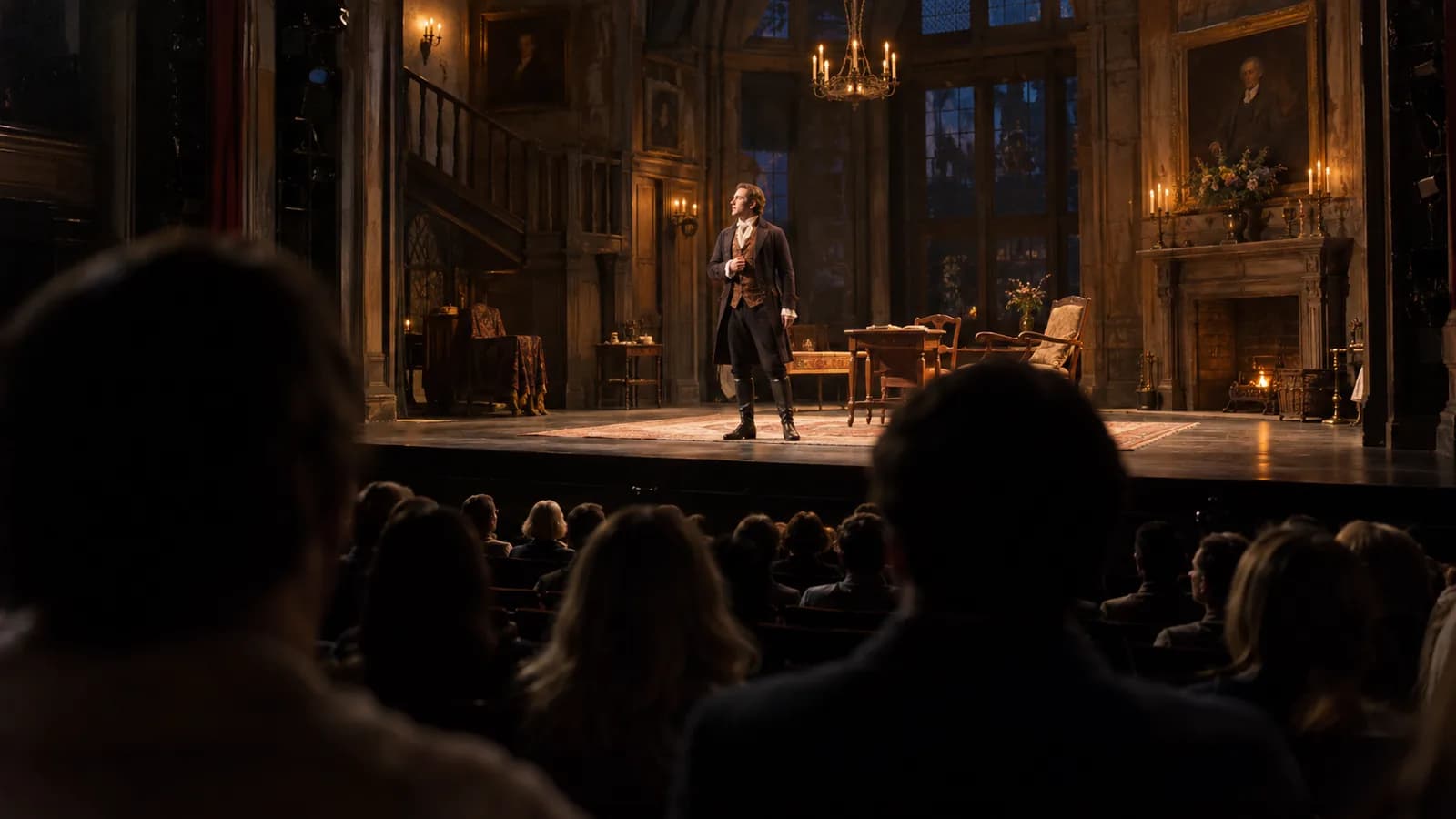
Top Theatre
Top Comedy
Live Events & Tickets in Chicago
Melanie C
Concord Music Hall · Chicago
Wed · Sep 16 · 6:30 PMSuicideboys & Destroy Lonely
Credit Union 1 Amphitheatre · Tinley Park
Wed · Sep 16 · 6:30 PMChicago Cubs vs. Atlanta Braves
Wrigley Field · Chicago
Wed · Sep 16 · 6:40 PMMean Girls
Paramount Theatre - Aurora · Aurora
Wed · Sep 16 · 7:00 PMThe Best of Chicago Showcase
Zanies Comedy Club - Rosemont · Rosemont
Wed · Sep 16 · 7:00 PMTove Lo
The Salt Shed Outdoors - Chicago · Chicago
Wed · Sep 16 · 7:00 PMJekyll & Hyde
Broadway Playhouse at Water Tower Place · Chicago
Wed · Sep 16 · 7:00 PMDirty Dancing
Nederlander Theatre at Ford Center for the Performing Arts · Chicago
Wed · Sep 16 · 7:00 PMCome From Away
Marriott Theatre · Lincolnshire
Wed · Sep 16 · 7:00 PMKat and the Hurricane
Reggie's Music Joint · Chicago
Wed · Sep 16 · 7:30 PMHelp center
Chicago event tickets — frequently asked questions
Contact our team for help using the site. For an existing order, the seller shown at checkout handles payment, delivery, and order support.
Contact supportThere are 100 upcoming events in Chicago, Illinois, with listed tickets starting from $7. The next event is Wednesday, September 16. Compare seller and seating details; a venue map appears when matching geometry is available.
Leagues
Sports & leagues in Chicago
About Chicago
Live sports & events in Chicago
Chicago is the third-largest live sports market in the United States and the single most important Midwestern sports city. United Center hosts the Bulls and Blackhawks and is one of the busiest arenas in the NBA and NHL. Soldier Field draws Bears NFL games on the lakefront — one of the most iconic stadium settings in football. Wrigley Field, the beloved 1914 ballpark on the North Side, hosts Cubs baseball, while Guaranteed Rate Field on the South Side anchors White Sox games. The rivalry between Cubs and White Sox fans is one of the fiercest intra-city divides in American sports. Soldier Field also hosts Chicago Fire FC MLS matches. The Sky represent the city in the WNBA with a passionate and growing fanbase. Northwestern in nearby Evanston and the University of Illinois system keep the Big Ten college sports calendar active across football, basketball, and Olympic sports. Chicago's central location makes it a frequent host for major neutral-site events — the Big Ten football championship, NCAA tournament regionals, and NFL Draft rotations all land in Chicago regularly. Pro sports run year-round: Cubs, White Sox, Bulls, Blackhawks, Bears, Sky, and Chicago Fire FC.
Why AllSportsTicket
About Chicago event tickets
Explore live sports, concerts, theatre, comedy and other events in Chicago, Illinois. Compare current listings by seller, price and seating details, then review delivery and order terms on the selected offer.
Compare current Chicago ticket listings by seller, price and seat details. Delivery, final checkout totals and purchase protection depend on the ticket partner shown with each offer.
Partner ticket offers
Each offer identifies the seller that handles checkout and fulfillment.
Compare listed prices
Review current ticket prices and seat details; final totals may include seller fees.
Venue maps where available
Interactive seating geometry appears when venue data is available for the event.
Clear seller terms
Check delivery timing and order-protection terms with the selected seller.
How to buy Chicago event tickets in 4 steps
- 01
Browse events
Find your event and date from the listings above.
- 02
Compare offers
Review each listing's seller, section, row, quantity and price; use the venue map where available.
- 03
Review final terms
Open the chosen offer and confirm the final total, delivery timing and order protection in seller checkout.
- 04
Follow delivery details
The seller provides ticket delivery instructions and support for your order.
Ticket partner checkout
Compare Chicago event offers before choosing where to buy
AllSportsTicket does not sell tickets directly. The selected seller confirms the final total, delivery timing and order-protection terms before purchase.
Inside Chicago
Chicago carries more major-league sports on a single weekend than most American cities pull together in a month, and the venue map runs from the West Side arena to the lakefront stadium bowl without much of a gap in between. The United Center handles Bulls basketball and Blackhawks hockey home games, Wrigley Field opens for Cubs day games and night games through the summer, Soldier Field takes Bears Sundays and Chicago Fire matches, and the Allstate Arena out in Rosemont covers the suburban indoor slate.
On the South Side the picture turns to baseball fast. Rate Field hosts White Sox home games from spring into fall, giving the city a two-ballpark rhythm that few markets can match.
The Cubs at Wrigley on the North Side and the White Sox at Rate Field on the South Side anchor a crosstown rivalry that runs through the whole summer. Bulls and Blackhawks split the United Center calendar from October into spring, and on a good night the building turns over from one tenant to the next within the same week.
Chicago is one of the country's great sports towns, with deep college basketball, college football, and minor-league traditions layered under the pro teams — DePaul, Loyola, Northwestern, and the Chicago Wolves of the AHL all draw their own crowds. The seasons stack so that baseball runs all summer, the Bears fill Sundays into January, and basketball and hockey carry the cold months indoors.
Whatever you came for on any given night, somewhere within the city limits, a team is already taking the floor, the ice, the field, or the diamond.
What's happening in Chicago right now
The event grid on this page pulls live listings for every confirmed Chicago home game on sale right now, sorted by date with the soonest at the top. Use the category filters to narrow it down to basketball, hockey, baseball, football, or soccer, or scroll the full schedule if you are still open on what to see.
Each card links straight through to ticket availability so you can check seats and price without bouncing between sites. Chicago runs on a fairly predictable seasonal rhythm.
From October into spring the United Center carries Bulls and Blackhawks home dates most weeks, with marquee opponents and rivalry nights driving the busiest crowds. Weekday games lean a touch quieter on price, while Friday and Saturday dates against name opponents move fastest.
Once spring arrives, the calendar shifts to baseball — Cubs day games and night games at Wrigley Field and White Sox dates at Rate Field stack through the summer, sometimes with both clubs at home on the same weekend. The seasonal pivot matters more here than in most U.S. cities.
From April through September the city is a two-ballpark baseball town, with Wrigley and Rate Field programming home stands all summer and the Bears opening at Soldier Field in September. Once the cold off the lake settles in, the schedule moves indoors to the United Center for basketball and hockey, and out to the suburban Allstate Arena for the Wolves and other dates.
Pick a season, pick a week, and there is almost always a game on.
Getting to Chicago and around on a game day
Most visiting fans fly into either O'Hare International, which sits about seventeen miles northwest of downtown and connects directly to the city by the CTA Blue Line, or Midway International on the southwest side, which links to the Loop via the Orange Line. Both routes are cheaper, faster in traffic, and more reliable than a rideshare during rush hour or after a major event, and a single Ventra fare covers buses and trains across the network.
Once in the city, the CTA is the backbone of matchday travel: the Red Line stops directly at Addison for Wrigley Field and at Sox-35th for the White Sox and Bears via shuttle, the Brown Line covers much of the North Side, and bus routes such as the 146 carry fans toward the Soldier Field and Museum Campus area. United Center is the trickier venue because it has no direct rail stop, so fans typically take a short rideshare from the Loop, catch a game-day bus, or park in the surrounding lots.
Rideshare is plentiful but surge pricing after games is steep, particularly around Wrigleyville on weekends, and traffic on Lake Shore Drive after Bears games can crawl for over an hour. Walking is genuinely viable in the downtown core and along the lakefront trail, and the water taxi adds a pleasant option in warmer months.
For most visitors, the simplest plan is to base yourself near a Red Line stop, lean on transit for stadium trips, and only use rideshare late at night when trains run less frequently.
Accessibility at Chicago venues and around the city
Chicago's major stadiums have invested substantially in accessibility, and visiting fans with mobility, sensory, or other access needs will generally find their game-day experience well supported with some advance planning. Wrigley Field, Guaranteed Rate Field, Soldier Field, and the United Center all offer accessible seating throughout multiple price tiers rather than only in a single section, and companion seats can be reserved at the time of purchase or by contacting the team's dedicated accessibility services line.
Accessible entrances, elevator access to upper levels, accessible restrooms, and assistive listening devices are standard across the venues, and sensory rooms or quiet spaces are increasingly available for fans who need a break from the noise and crowd. Service animals are welcome at all major venues.
Around the city, the CTA rail system is largely accessible at major stadium stops, with elevators at Addison Red Line, Sox-35th, and most Loop stations, though it is worth checking the CTA elevator status page on game day because outages do occur. Buses are uniformly low-floor and wheelchair-accessible with audible stop announcements.
Rideshare apps offer accessible vehicle options, and Chicago's official accessible taxi dispatch service can be booked in advance for game-day pickups. Sidewalks downtown and along the lakefront are generally smooth and curb-cut, though older neighborhoods near Wrigley have uneven surfaces in spots.
Book accessible hotel rooms early because availability is tight on big sports weekends, and reach out to your team's ticket office a few days before the game to confirm seating, entry gate recommendations, and parking arrangements so that arrival on matchday is as smooth as possible.
Where to eat and drink before and after games
Chicago is a food city built for sports fans, and every team neighborhood has its own pregame ritual. Around Wrigley Field, Clark and Sheffield are lined with bars, rooftops, and patio spots that fill up hours before first pitch, and the surrounding streets in Wrigleyville stretch the experience well past the final out.
On the South Side, the area near Guaranteed Rate Field is quieter, but the Bridgeport and Pilsen neighborhoods nearby offer some of the city's most respected taquerias, classic Italian beef counters, and old-school taverns. Soldier Field tailgating in the South Lot is a Bears tradition, and visiting fans often combine that with a pre-game stop in the South Loop for deep-dish or a steakhouse meal.
Near the United Center, the West Loop has exploded into one of the country's strongest restaurant corridors, with Randolph Street offering everything from modern tasting menus to neighborhood pizza and craft cocktail bars within a short rideshare of Blackhawks or Bulls puck and tip-off. Signature dishes to try at least once include Chicago-style deep-dish pizza, thin-crust tavern-style pizza, the Italian beef sandwich ordered dipped, Maxwell Street Polish sausages, and a classic Chicago hot dog dressed the proper way without ketchup.
For postgame, late-night diners and 24-hour spots remain a beloved tradition, and craft brewery taprooms scattered across Logan Square, Pilsen, and the West Loop give visiting supporters a relaxed place to recap the night without the bar-strip crush around the stadium itself.
Chicago weather through the sports calendar
Chicago is a four-season sports city, and packing for a game is really packing for a microclimate that sits between Lake Michigan and the open prairie. From late November through March, expect deep cold, lake-effect snow, and wind chills that can turn a routine walk from the Red Line stop at Addison or Sox-35th into a serious endurance test, so insulated boots, a heavy parka, a beanie, and gloves are non-negotiable for Bears tailgates at Soldier Field, outdoor Blackhawks watch parties, or winter college hoops trips.
Spring is famously unpredictable, with Cubs and White Sox openers often played in the forties under gray skies, occasional flurries, and a brisk lake wind blowing in or out that can swing a baseball game by several runs, so layers and a waterproof shell matter more than fashion. Summer is genuinely warm and humid, with afternoon highs sitting comfortably in the eighties and the bleachers at Wrigley Field becoming a sunblock-and-water situation rather than a jacket situation.
Early autumn is arguably the perfect window for visiting fans, with crisp evenings ideal for football and the start of hockey, basketball, and playoff baseball, though night games near the lakefront still call for a sweatshirt. Whatever month you visit, the lake is the variable, so always check the wind forecast in addition to the temperature, plan for one layer more than the high suggests, and keep a packable rain jacket in your bag because storm fronts move through fast.
Safety and matchday awareness in Chicago
Chicago is a large American city, and like any major metro it rewards basic situational awareness rather than fear. The downtown core, the lakefront, the main stadium districts on game day, and the busier North Side neighborhoods are well trafficked and heavily policed during events, and visiting fans rarely encounter problems when they stick to these areas and use transit during peak hours.
Wrigleyville on a Saturday night after a Cubs game is loud, crowded, and energetic rather than dangerous, but pickpocketing risk rises with the density, so keep wallets in front pockets and phones secured. Around Soldier Field and the United Center, the post-game exit period is the time to pay attention: stay with the main flow of fans toward transit or rideshare pickup zones rather than cutting through quiet side streets or unfamiliar lots.
CTA trains run late but become less frequent after midnight, and platforms can feel isolated in off-peak windows, so many visitors prefer a rideshare for the final leg back to a hotel after night games. Some neighborhoods further from tourist routes are best avoided after dark simply because they are residential and unfamiliar rather than because of any specific threat, and a quick check of your hotel's recommended walking radius is worth doing on arrival.
Keep an eye on weather alerts in winter, because windchill itself is a genuine safety issue near the lake, and in summer watch for severe thunderstorms that can move in quickly off the lake. Overall, treat Chicago the same way you would any major league city: be aware, plan your return route before the game ends, and enjoy the matchday.
Family and kid-friendly sports in Chicago
Chicago is one of the most welcoming cities in North America for families taking children to a game, and the variety of teams means there is almost always an age-appropriate option in season. Wrigley Field is a particularly strong choice for younger fans because the intimate scale of the ballpark, the ivy-covered outfield, and the famous seventh-inning singalong create a memorable first big-league experience, and family sections offer alcohol-free seating areas that keep the atmosphere calm.
Guaranteed Rate Field on the South Side has invested heavily in family amenities, including kid zones with games, batting cages, and slides beyond the outfield that turn slower innings into an adventure rather than a struggle. The United Center hosts both the Bulls and Blackhawks and runs themed family nights throughout the season, with mascot meet-and-greets and giveaways aimed squarely at younger supporters.
Soldier Field Bears games are a louder, more intense atmosphere that suits older kids and teenagers more comfortably than toddlers, though family tailgates can be a great pre-game introduction. Pair a game with a day at Navy Pier, the Shedd Aquarium, the Field Museum, or the Adler Planetarium on the Museum Campus to balance the trip and give kids a break from stadium noise.
Strollers are generally permitted at most venues but should be checked at guest services upon entry, and family restrooms with changing facilities are widely available. Bring ear protection for very young children at hockey and football games where horns and crowd noise are intense, and budget extra time for bathroom breaks and snack runs because the walking distances inside larger venues add up quickly.
Tips for first-time sports visitors to Chicago
First-time visitors usually underestimate how spread out Chicago's sports venues actually are, so the most important planning step is choosing a hotel close to the line that serves your game rather than trying to stay central and commute every day. The Red Line is the through-route for both baseball stadiums and connects efficiently to the Loop, while the Blue and Green lines feed the West Side near United Center.
Buy your Ventra fare or load a card on your phone before you arrive at the airport, because doing it at a station with luggage is a slow process. Tickets for marquee matchups, particularly Cubs weekends in summer, Bears divisional games, and Blackhawks rivalry nights, move quickly, so secure seats well before booking flights when possible.
Dress for the lake, not for the forecast, and assume conditions will be one tier harsher than your phone suggests. Cash is rarely necessary inside venues but is useful for tipping tailgate hosts, food trucks, and street vendors near Wrigley and Soldier Field.
Stadium bag policies are strict and similar across the major teams, so a clear bag or small clutch will save you a re-check trip to your hotel or car. Finally, build buffer time on either side of the game for transit, security lines, and the inevitable photo stops, and consider pairing your trip with a non-game day to enjoy the lakefront, the museums, or a neighborhood food crawl, because the city itself is half the reason fans love visiting Chicago for sports.
Browse by category
Basketball
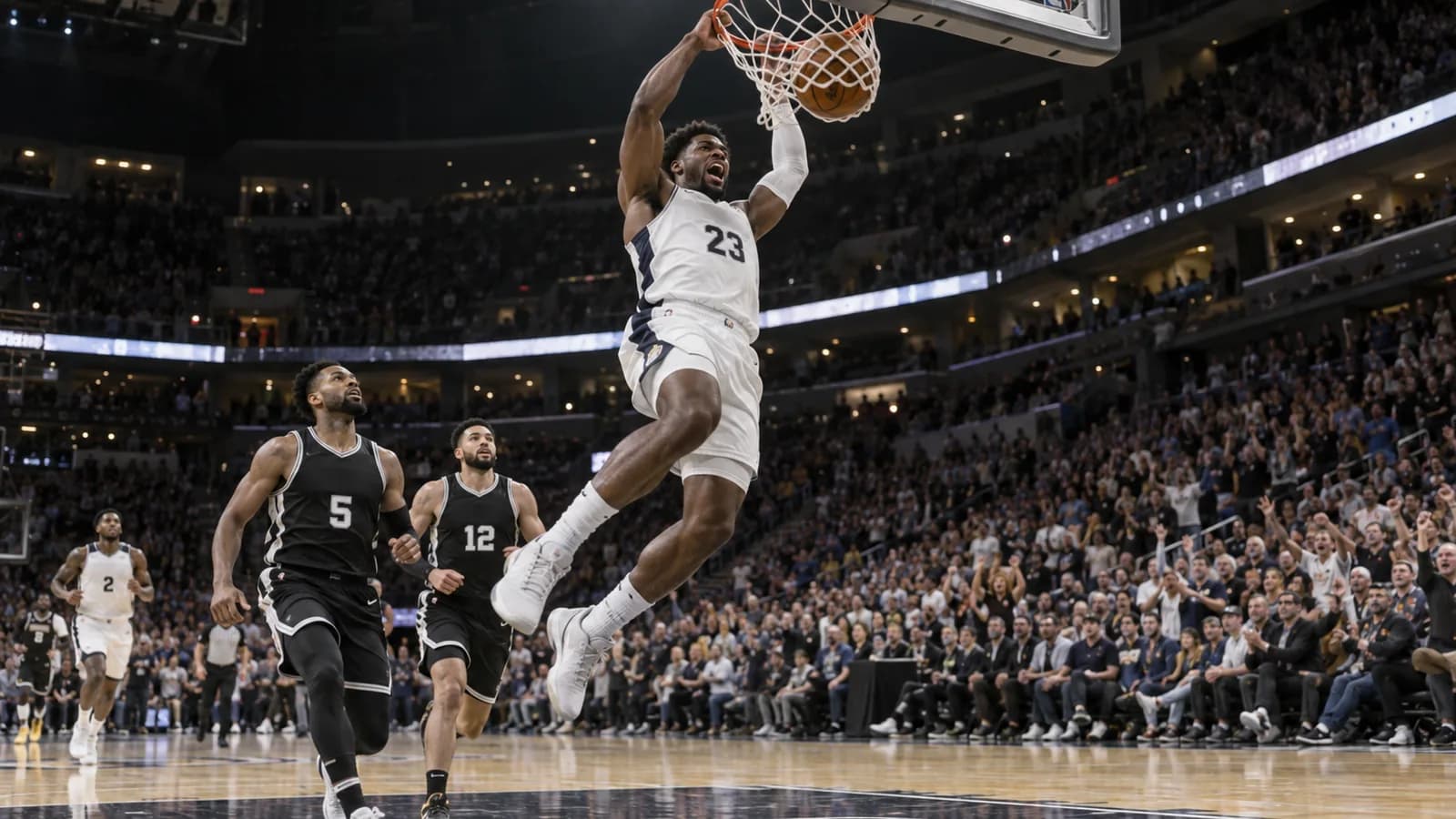
The Chicago Bulls play NBA home games at the United Center on the Near West Side from October into spring, with a playoff push extending the calendar in strong years. The franchise carries one of the most famous histories in the sport, and the United Center remains one of the loudest buildings in the league on a big night.
College basketball adds to the slate, with DePaul, Loyola, and Northwestern all fielding Division I programs, and Loyola's recent NCAA tournament runs drawing fresh attention. Single-game Bulls tickets against marquee opponents move quickly and command secondary-market premiums on weekend home dates, while midweek games and lower-demand opponents hold steadier prices.
The event list above pulls every confirmed basketball home game on sale right now.
Hockey
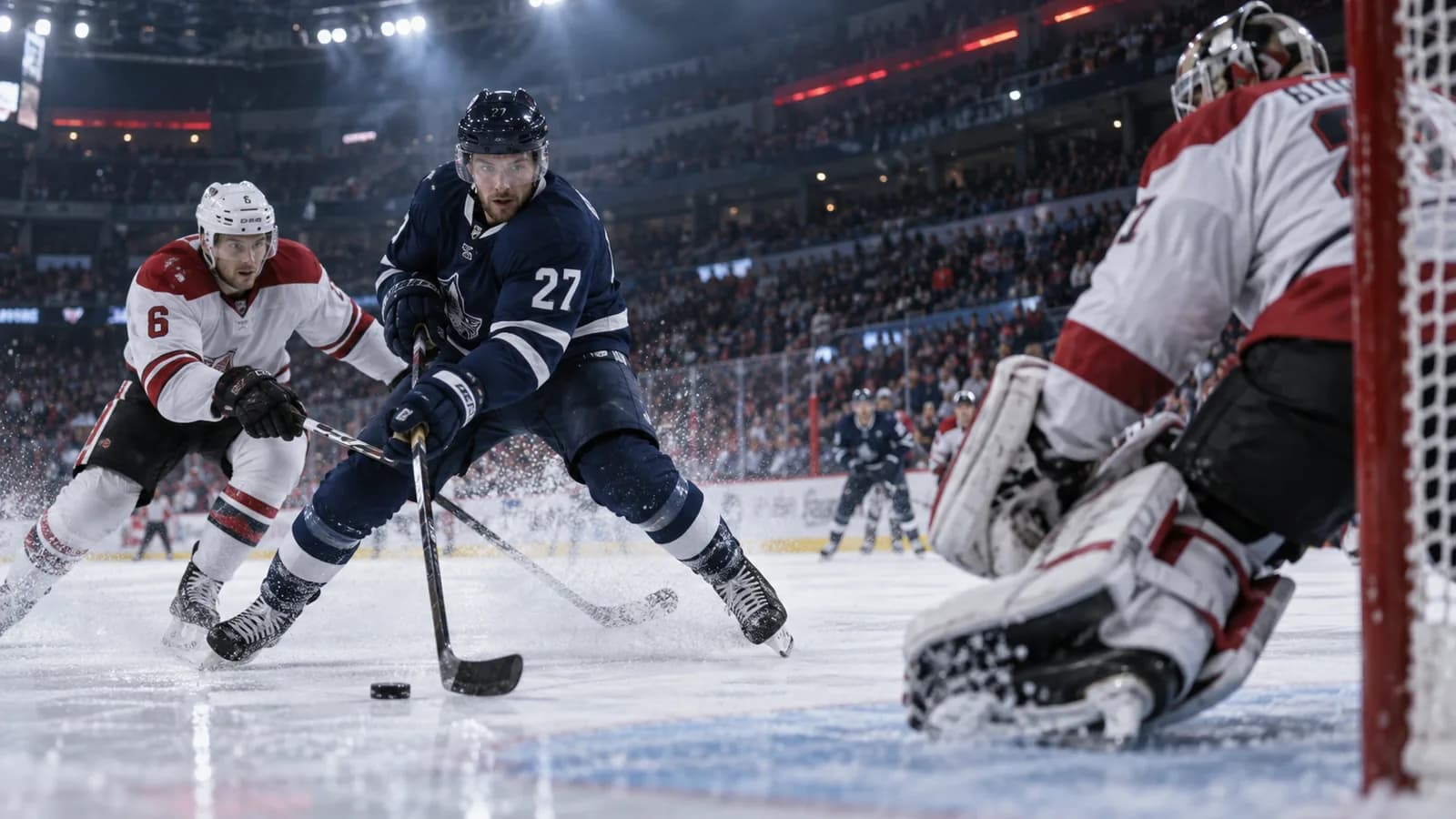
The Chicago Blackhawks play NHL home games at the United Center, sharing the building with the Bulls from October into spring. The Original Six franchise is one of hockey's most storied, and the United Center crowd's pre-game national anthem is a tradition unto itself.
Out in the suburbs, the Chicago Wolves of the AHL play at the Allstate Arena in Rosemont, offering a more affordable minor-league hockey option through the same winter window. Blackhawks tickets against rivals and Original Six opponents move fastest, while midweek dates and Wolves games are usually easier walk-ups.
The event list above tracks every confirmed hockey home game currently on sale.
Baseball
Chicago is a two-team baseball town. The Cubs play MLB home games at Wrigley Field on the North Side, one of the oldest and most beloved ballparks in the country, from spring into fall.
The White Sox play at Rate Field on the South Side over the same window. The crosstown rivalry between the two clubs is one of the sport's signature intra-city series.
Cubs day games at Wrigley draw heavy demand and command secondary-market premiums on summer weekends, while White Sox dates at Rate Field are usually easier and more affordable walk-ups outside marquee opponents. The event list above tracks every confirmed home game on sale right now.
Football
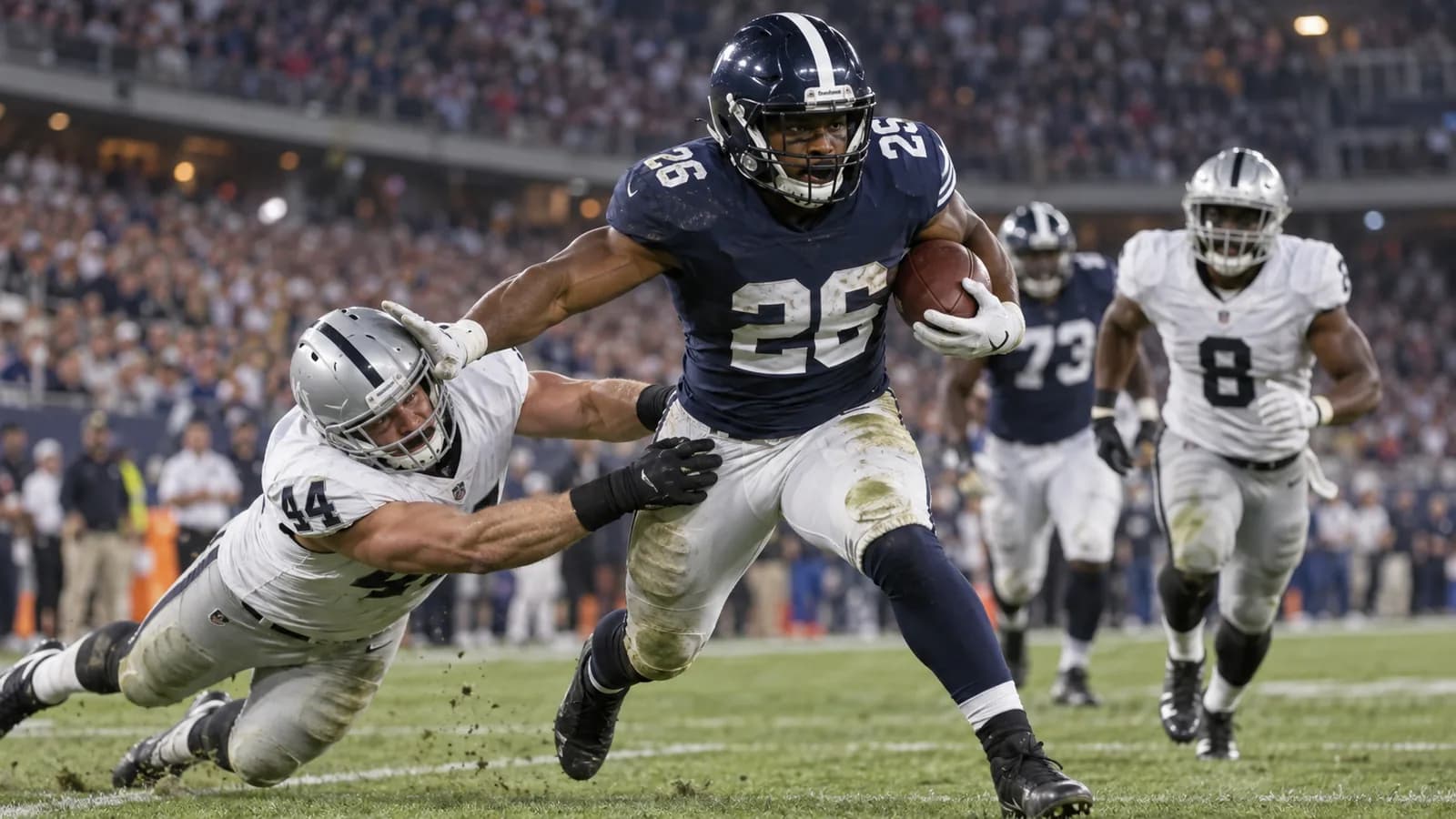
The Chicago Bears play NFL home games at Soldier Field on the lakefront, the oldest stadium in the league, on Sundays from September into January. The Bears carry one of the deepest histories in pro football, and the lakefront tailgate scene is a fixture of fall in the city.
College football adds Northwestern home games in Evanston to the regional slate. Bears single-game tickets move quickly and command the highest secondary-market premiums of any Chicago team, especially against division rivals like the Packers, with cold-weather late-season games still drawing full crowds.
The event list above tracks every confirmed Bears home game currently on sale.
Soccer
The Chicago Fire play MLS home games at Soldier Field through the spring, summer, and fall, sharing the lakefront stadium with the Bears. The club is one of the league's established franchises, and matches against regional rivals and visiting national-team stars draw the biggest crowds.
Outside marquee opponents, Fire tickets are generally among the easier and more affordable Chicago sports walk-ups, making a match a flexible option for a weekend in the city. The event list above tracks every confirmed Fire home match on sale right now.
College sports
Chicago's college sports scene runs deep across multiple Division I programs. DePaul fields a men's and women's basketball program, with the men playing at Wintrust Arena in the South Loop.
Loyola Ramblers basketball, whose Final Four run put the program on the national map, draws strong crowds at Gentile Arena on the North Side. Northwestern, the area's lone Big Ten member, fields football, basketball, and a broad slate of varsity sports in Evanston just north of the city.
College games are usually significantly more affordable than the pro slate and a reliable midweek and weekend option. The event list above includes college games when on sale.
Minor & junior hockey
Beyond the Blackhawks, Chicago and its suburbs support affordable minor-league hockey. The Chicago Wolves of the AHL play at the Allstate Arena in Rosemont, a short trip from downtown, offering professional hockey at a fraction of NHL prices through the winter season.
AHL games run a similar pace and physicality to the NHL with the chance to see prospects on their way up. Wolves tickets are among the most family-friendly and walk-up-friendly sports options in the metro area.
The event list above tracks minor and junior hockey home dates when on sale.
Tickets & game-day tips
Chicago's sports-ticket market clusters around a few venues, and demand swings sharply by opponent. United Center dates for the Bulls and Blackhawks against marquee teams and rivals move fast, while midweek games hold steadier value.
Wrigley Field day games carry summer-weekend premiums; White Sox dates at Rate Field and Chicago Fire matches at Soldier Field are generally the easier and cheaper walk-ups. Bears games at Soldier Field command the steepest premiums of any local team.
The Red Line at Addison feeds Wrigley, Sox-35th serves Rate Field, and the Green and Pink Lines reach the United Center via Ashland. Buy through verified resale and avoid unverified sellers outside the gates on big game days.
Top neighborhoods
Loop / Downtown
The Loop covers the blocks roughly bounded by the river, Michigan Avenue, Congress Parkway, and Wells Street, and it is the city's transit and hotel hub for a sports trip. It sits within easy reach of the lakefront, with Soldier Field a short ride south along the museum campus for Bears and Chicago Fire dates.
Wintrust Arena in the adjacent South Loop hosts DePaul basketball. The Loop is wrapped by every CTA L line and Metra commuter rail at Union and Ogilvie, putting Wrigley Field, Rate Field, and the United Center all a single transfer away.
For visitors basing downtown, it is the easiest launch point to reach any Chicago venue on game day.
South Loop / Near South Side
The South Loop and Near South Side stretch south of downtown along the lakefront, anchored by the museum campus and Soldier Field. Soldier Field, the oldest stadium in the NFL, hosts Bears Sundays from September into January and Chicago Fire matches through the warmer months, with tailgate lots filling the lakefront on game days.
Wintrust Arena, home of DePaul basketball, sits in the McCormick Place district just to the west. The Red Line and Green Line serve the area, and the Metra Electric line runs along the lakefront, making the museum-campus venues easy to reach from downtown hotels on a game day.
Bridgeport / Armour Square
Bridgeport and Armour Square sit on the near South Side, home to White Sox baseball at Rate Field on the corner of 35th Street and the Dan Ryan. The ballpark anchors the neighborhood from spring into fall, with Sox home stands and the occasional crosstown series against the Cubs drawing the biggest crowds.
The Red Line stops directly at Sox-35th, dropping fans steps from the gates, and the area's classic South Side taverns and Italian-beef counters fill up before first pitch. Tickets here are usually among the easier and more affordable Chicago sports walk-ups outside marquee opponents.
Wrigleyville / Lakeview
Wrigleyville and Lakeview run north of the Loop along the Red Line at Addison and Belmont. Wrigley Field at Clark and Addison anchors the neighborhood — Cubs day and night games from spring into fall make it one of the most atmospheric ballpark settings in the country.
The surrounding Gallagher Way plaza programs watch parties and pre-game events on game days. Game-day bars and patios at Murphy's, Sluggers, and the Cubby Bear fill up hours before first pitch, and the rooftop clubs across Sheffield and Waveland offer a Wrigley tradition all their own.
The Red Line at Addison feeds the whole neighborhood on game days.
Near West Side / United Center
The Near West Side and the United Center sit immediately west of the Loop, divided by the Kennedy Expressway. The United Center on Madison Street hosts the Bulls and Blackhawks from October into spring, anchoring the city's basketball and hockey calendar.
The arena's parking lots and surrounding Madison Street bars fill by tip-off and puck drop on game nights. Fulton Market and the West Loop just to the east run the city's densest restaurant corridor, packed before and after games.
The Green and Pink Lines reach the arena via the Ashland stop, with a short walk that beats premium-priced event-night parking.
Rosemont
Rosemont sits northwest of the city near O'Hare, home to the Allstate Arena and the suburban indoor sports slate. The arena hosts the Chicago Wolves of the AHL through the winter, offering affordable professional hockey a short trip from downtown, along with college basketball and other events.
The Blue Line reaches Rosemont directly, and the entertainment district around the arena packs hotels, restaurants, and bars within walking distance. For visitors wanting a lower-cost hockey night or staying near the airport, Rosemont is an easy add to a Chicago sports trip.
What's on by month
January
January is the heart of the indoor sports season. Bulls and Blackhawks home games are in full swing at the United Center most nights, with both clubs deep into their schedules and division races taking shape.
The Bears, if they reach the postseason, can extend football into January at Soldier Field, and rival NFL playoff matchups draw heavy attention even when the Bears are out. College basketball reaches conference play, with DePaul, Loyola, and Northwestern all in their schedules.
The Chicago Wolves carry AHL hockey at the Allstate Arena. It is the busiest stretch of the year for indoor games.
February
February keeps the United Center busy with Bulls and Blackhawks home dates as both seasons push toward their stretch runs. NHL trade-deadline storylines and NBA playoff positioning sharpen the stakes on rivalry nights.
College basketball heads toward conference tournaments, with DePaul, Loyola, and Northwestern playing some of their highest-stakes home games of the year. The Chicago Wolves continue their AHL schedule at the Allstate Arena.
With baseball still weeks away, the arena is the center of the city's sports calendar, and midweek dates often hold the best resale value.
March
March is a turning point on the sports calendar. The Bulls and Blackhawks are heading toward the end of their regular seasons, with playoff positioning sharpening every home date at the United Center.
College basketball reaches its peak as conference tournaments and the NCAA tournament arrive — Loyola, DePaul, and Northwestern have all featured on the national stage in recent years. Baseball is just over the horizon, with the Cubs and White Sox wrapping spring training and the home openers in sight.
St. Patrick's Day weekend turns the city into a packed backdrop for any mid-month game.
April
April is the busiest crossover month of the year. The Cubs and White Sox open their home seasons at Wrigley Field and Rate Field in early April, putting two ballparks back in play.
The Chicago Fire are well into their MLS home schedule at Soldier Field. NBA and NHL playoffs typically begin in mid-April — when the Bulls or Blackhawks are in, the United Center fills with playoff energy on game nights.
With basketball, hockey, baseball, and soccer all live at once, April offers more sports options across more venues than any other month.
May
May is peak baseball, with Cubs and White Sox home stands in full run at Wrigley Field and Rate Field and the early-summer weather drawing big ballpark crowds. The Chicago Fire continue their MLS schedule at Soldier Field.
If the Bulls or Blackhawks reach deep playoff rounds, the United Center hosts its highest-stakes games of the year in May. Memorial Day weekend kicks off the heaviest stretch of summer baseball, often with both clubs at home.
It is a strong month to catch a ballpark afternoon, with day games returning to the schedule.
June
June is deep summer baseball, with Cubs home stands at Wrigley Field and White Sox home stands at Rate Field running through the month and the crosstown rivalry often on the schedule. Warm-weather day games at Wrigley are some of the hottest tickets of the season.
The Chicago Fire continue their MLS schedule at Soldier Field, with summer weekend matches drawing strong crowds. If the Bulls or Blackhawks made a long playoff run, June can stretch their seasons to the very end.
Otherwise the city's sports attention is squarely on the two ballparks.
July
July is the height of the baseball season, with Cubs and White Sox home stands continuing through the month and the MLB All-Star break splitting the schedule. Independence Day games at Wrigley Field and Rate Field are a holiday-weekend tradition, often paired with post-game fireworks.
The Chicago Fire are in the middle of their MLS schedule at Soldier Field. Late in the month attention begins to turn toward football as the Bears head into the preseason.
For a summer sports trip, July offers near-daily baseball across the two ballparks.
August
August carries the pennant-race stretch of baseball, with Cubs and White Sox home stands taking on added weight as playoff positioning tightens. Wrigley Field and Rate Field both stay busy through the month.
The Bears play preseason games at Soldier Field as football ramps up, giving fans an early lakefront tailgate before the regular season. The Chicago Fire continue their MLS push at Soldier Field.
By late August the city has overlapping baseball and football, making it one of the fuller stretches of the late-summer sports calendar.
September
September is when the sports calendar turns over. The Bears open the NFL regular season at Soldier Field, and the lakefront tailgate scene returns for Sundays.
The Cubs and White Sox are in the closing stretch of the baseball season, with late-September home games carrying playoff implications in strong years. The Chicago Fire push toward the end of their MLS schedule.
Late in the month the Bulls and Blackhawks open training camp ahead of the new season. With football arriving and baseball winding down, September packs the year's widest variety of sports.
October
October brings the indoor season back to life. The NHL and NBA regular seasons start, putting the Bulls and Blackhawks back at the United Center most nights and reopening the city's basketball and hockey calendar.
The Bears run their core stretch of Sundays at Soldier Field, with division games sharpening through the month. If the Cubs or White Sox reach the postseason, October baseball can extend the ballpark schedule into the fall.
The Chicago Wolves begin their AHL season at the Allstate Arena. With football, basketball, and hockey all live, October is a deep month for fans.
November
November settles into the indoor sports season. The Bulls and Blackhawks are well into their home schedules at the United Center, with several games most weeks and rivalry nights driving the busiest crowds.
The Bears run their late-fall Sundays at Soldier Field, where cold-weather games against division rivals like the Packers draw full lakefront crowds. College basketball opens its season, with DePaul, Loyola, and Northwestern back in their home buildings.
The Chicago Wolves continue AHL hockey in Rosemont. With baseball over, the city's sports calendar runs squarely on football, basketball, and hockey.
December
December is heavy on indoor sports, with the Bulls and Blackhawks playing frequent home dates at the United Center through the holiday stretch and some of the season's most popular games landing around Christmas and New Year's. The Bears close their regular season at Soldier Field, with late-December games often carrying playoff stakes.
College basketball runs holiday-tournament and non-conference home games for DePaul, Loyola, and Northwestern. The Chicago Wolves keep AHL hockey going in Rosemont.
Holiday-week home dates draw strong demand, so resale tickets for marquee United Center games go fast.
Why buy here
Ticket partner offers
Listings identify the partner or seller that provides the offer and handles the purchase.
Seller protection terms
Buyer protection and refund terms depend on the selected seller; review them before checkout.
Venue maps where available
Interactive seating geometry is shown when matching venue data is available for the event.
Delivery details by offer
The selected seller provides the delivery method and timing for each listing.
Partner-fed prices
Displayed prices come from ticket partner inventory and refresh on each feed's update schedule.
Help with listings
Contact AllSportsTicket about a site listing; the marketplace seller handles orders, delivery and refunds.