NBA Rivalry
New York Knicks vs Brooklyn Nets
About the New York Knicks vs Brooklyn Nets rivalry
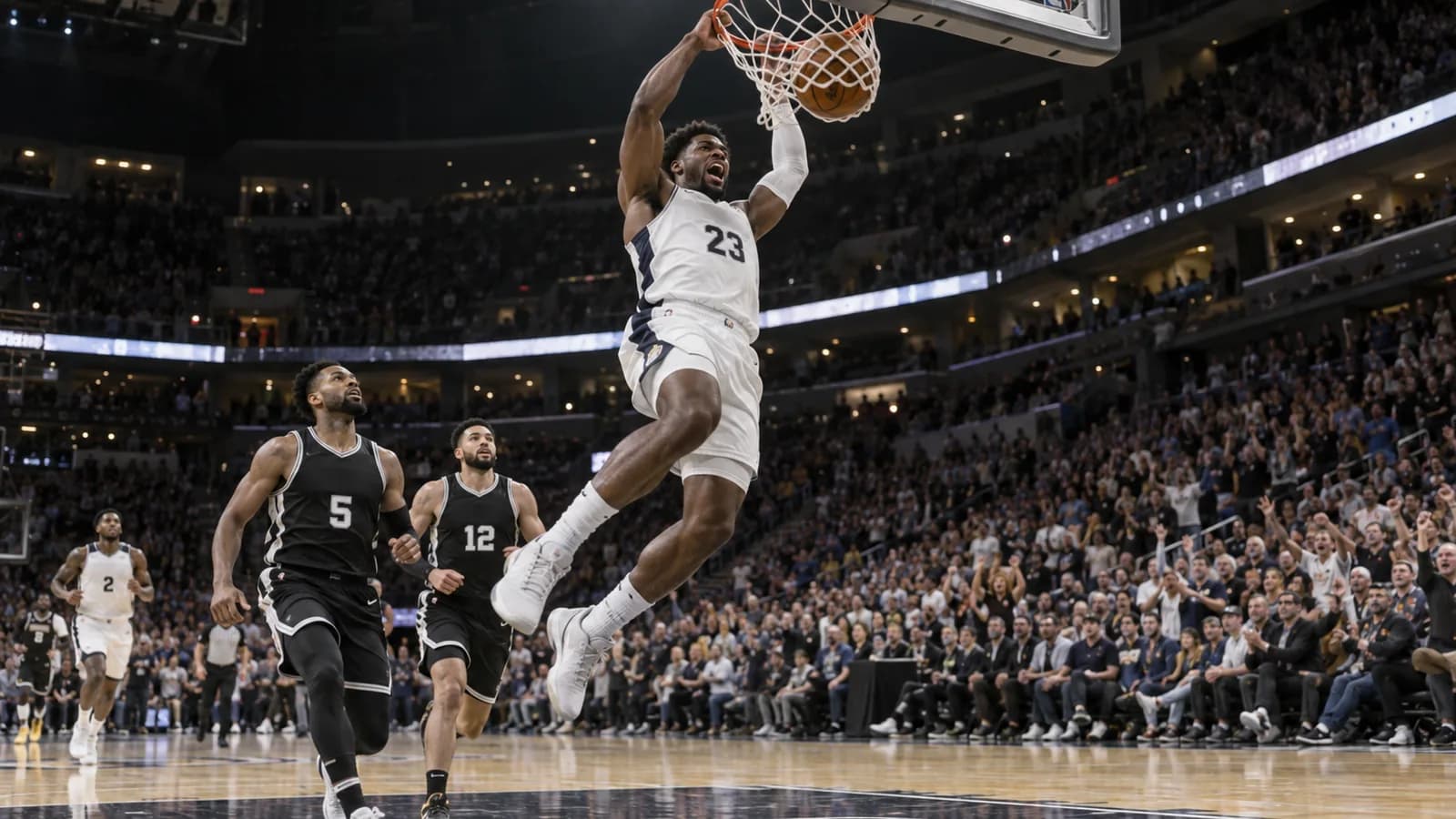
The Knicks-Nets rivalry is New York basketball's civil war, a subway series fought between the boroughs over bragging rights, identity, and the right to call yourself the city's team. Manhattan against Brooklyn. Madison Square Garden against Barclays Center. A franchise carrying nearly eight decades of NBA history against the upstart that crossed the river in 2012 and planted a flag in Prospect Heights. Geographically, the two arenas sit roughly eight miles apart, connected by a handful of subway lines and a shared fanbase that splits households, offices, and group chats. What gives this rivalry its weight is not always playoff history, it's proximity. Two teams sharing the largest media market in American sports means every meeting carries oversized coverage, every transaction is dissected on local radio, and every head-to-head game becomes a referendum on which roster, front office, and culture is winning the city in that moment. The rivalry defined a stretch of the 2010s and early 2020s when Brooklyn's relocation, superstar arrivals, and roster overhauls forced the Knicks to respond. For fans planning a trip, a Knicks-Nets night is one of the most accessible ways to feel a true rivalry atmosphere inside a regular-season NBA schedule.
History & key moments
The roots of the rivalry stretch back to the ABA, when the New York Nets won championships in New Jersey-area arenas while the Knicks dominated Manhattan with their early-1970s title teams. Once the leagues merged in 1976, the Nets spent decades in New Jersey as a regional cousin rather than a true rival. The modern chapter began in 2012, when the franchise moved to Brooklyn, rebranded in black and white, and opened Barclays Center as a direct challenge to Madison Square Garden's grip on the city. The early Brooklyn era leaned into the rivalry hard, with high-profile veteran additions, billboards aimed squarely at Knicks fans, and marketing that framed the borough switch as a cultural takeover. Regular-season meetings carried unusual heat for non-playoff basketball, and television networks routinely flexed the matchup into national windows. The rivalry's intensity has risen and fallen with both rosters. Brooklyn's superstar-driven stretch turned every Knicks visit into a marquee night, while the Knicks' return to relevance later in the decade reframed the matchup around homegrown identity versus star-chasing. The two clubs have not yet produced a deep playoff series against each other in the modern Brooklyn era, which is part of what fans are still waiting for. Defining moments tend to be regular-season flashpoints, ejections, viral bench reactions, fan takeovers of the visiting arena, and milestone individual performances rather than postseason classics. The rivalry remains a story of two franchises sharing one city and refusing to share the spotlight.
Ticket pricing & demand
Knicks-Nets games consistently price above the regular-season baseline for both teams, with the premium showing up earliest on the secondary market rather than in the original face value. As a rule, expect rivalry-night get-in prices to sit meaningfully higher than a midweek game against a non-marquee opponent, and lower-bowl seats to carry a sharper premium than nosebleeds. Demand patterns are predictable: the Knicks hosting at Madison Square Garden tends to draw the steeper price curve because of MSG's smaller capacity, central Manhattan location, and the sheer weight of Knicks demand on weekend dates. Brooklyn-hosted meetings at Barclays Center are typically a softer ticket but still trade above a standard Nets home night, especially when both rosters are healthy and in the playoff race. The best time to buy depends on your priorities. For the lowest absolute price, waiting until the final 48 hours can work in your favor for Barclays-hosted games, where late inventory often softens. For MSG-hosted rivalry nights, late buying is riskier and prices tend to hold or rise as tip-off approaches. Weekend games, nationally televised windows, and any meeting late in the season with playoff implications attract the strongest demand and the firmest pricing. For current listings and verified seating maps, use the Knicks and Nets team hubs on this site rather than guessing at face value.
Best seats for a rivalry game
For visiting fans, the smartest seating strategy is to prioritize sightlines and exit access over trying to sit with your own colors. At Madison Square Garden, the 200-level baseline and corner sections offer strong views of the full floor at a fraction of lower-bowl pricing, and the 100-level corners behind the baskets are a sweet spot for fans who want to feel close to the action without paying for center-court seats. Knicks crowds are vocal and tightly packed, so visiting Nets fans tend to be more comfortable in upper-level sections than in the lower-bowl sidelines. At Barclays Center, the 100-level corners and the 200-level baseline offer good value, and the arena's modern bowl design means upper-level seats stay closer to the floor than at many older NBA buildings. Visiting Knicks fans typically cluster in the upper bowl behind the visiting bench. For a rivalry game specifically, avoid scattered single seats in the lower bowl if you plan to wear the visiting jersey, and consider club-level concourses for a calmer pregame and halftime experience.
Matchday — what to expect
A Knicks-Nets night feels different from a standard regular-season game from the moment you step onto the train. Subway cars heading toward both arenas fill with split jerseys, and the energy outside the venue builds earlier than usual. At Madison Square Garden, plan to arrive at least 45 minutes before tip-off. Penn Station sits directly underneath the arena, which is convenient but also funnels enormous foot traffic through the same entrances. Security lines for marquee games are noticeably longer, and concourse circulation tightens once warmups begin. The crowd skews loud and reactive, with the lower bowl driving most of the noise on big possessions. At Barclays Center, Atlantic Avenue-Barclays Center is the main subway hub and offers excellent access from across the city. The arena's concourses are wider and the pregame experience feels less compressed, but rivalry nights still draw heavy crowds early. Expect a younger, music-forward atmosphere with the Brooklyn brand leaning into entertainment between stoppages. For both venues, build extra time into your return trip, post-game subway platforms fill quickly and ride-share surge pricing spikes hard in the first 30 minutes after the final buzzer. Bring layers, both arenas run cold, and check the team's clear-bag policy in advance. Most importantly, treat the matchup as an event in itself, the rivalry crowd is part of the show.
Help center
New York Knicks vs Brooklyn Nets tickets — frequently asked questions
Contact our team for help using the site. For an existing order, the seller shown at checkout handles payment, delivery, and order support.
Contact supportWhy buy here
Ticket partner offers
Listings identify the partner or seller that provides the offer and handles the purchase.
Seller protection terms
Buyer protection and refund terms depend on the selected seller; review them before checkout.
Venue maps where available
Interactive seating geometry is shown when matching venue data is available for the event.
Delivery details by offer
The selected seller provides the delivery method and timing for each listing.
Partner-fed prices
Displayed prices come from ticket partner inventory and refresh on each feed's update schedule.
Help with listings
Contact AllSportsTicket about a site listing; the marketplace seller handles orders, delivery and refunds.